
Summary
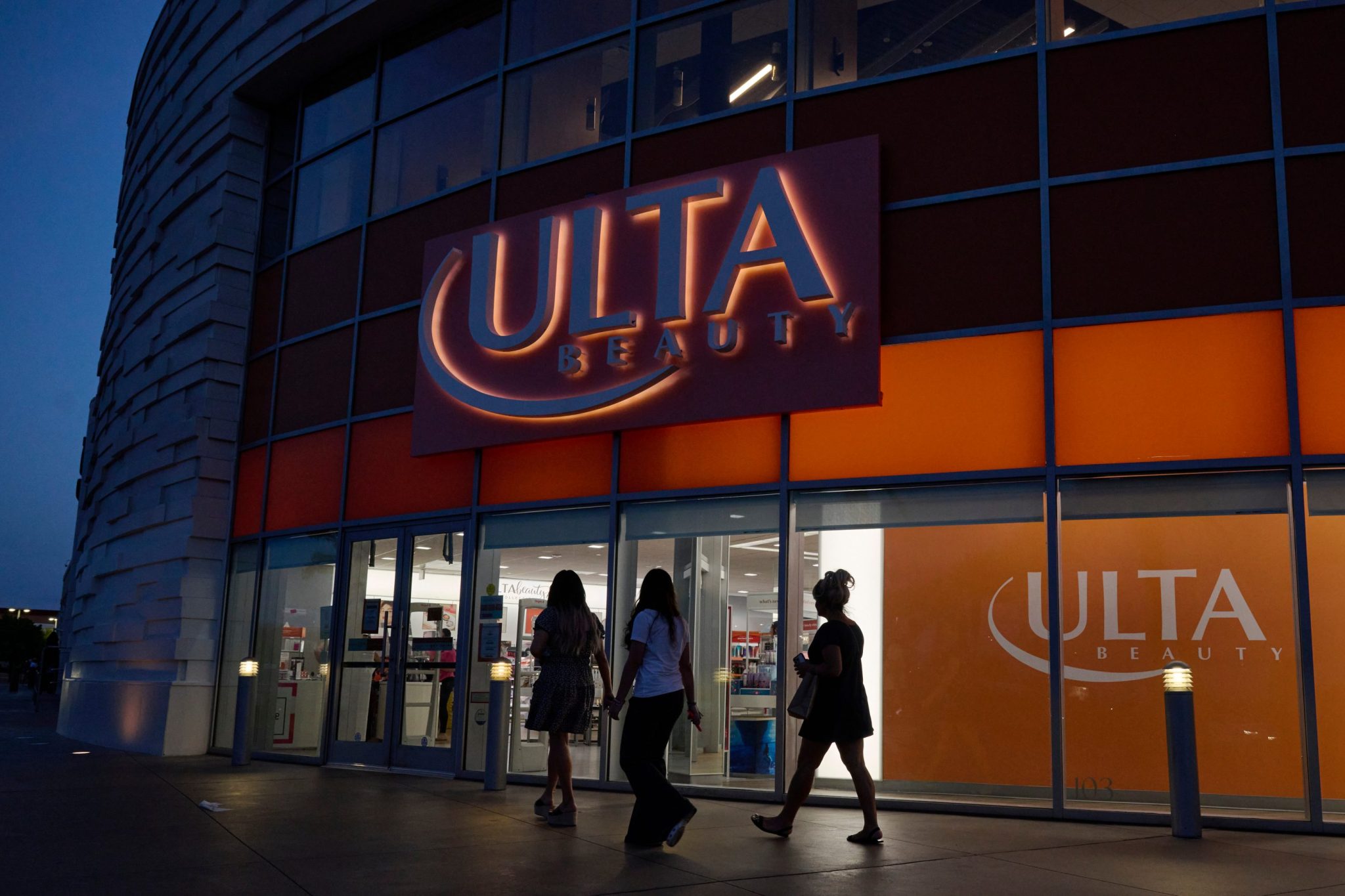
Ulta Beauty is spending $400 million to open its first-ever flagship store in New York's Times Square. The 27,000-square-foot, four-level megastore is set to open late next year. This move is a big bet that a flashy, high-cost store can help Ulta compete better with its main rival, Sephora. The company hopes the flagship will attract more shoppers, build brand buzz, and test new ideas for its other 1,500 locations across the U.S.
Main Impact
Ulta's decision to open a flagship store in Times Square is a major shift for a brand known for its strip mall locations. The $400 million lease over 15 years shows the company is willing to spend big to raise its profile. The store is meant to create a more exciting shopping experience than its usual outlets. This could help Ulta win over younger shoppers, especially Gen Z, who often prefer Sephora's more upscale feel. If successful, the flagship could boost Ulta's overall brand image and sales. If it fails, it could become a costly mistake.
Key Details
What Happened
Ulta Beauty signed a 15-year lease for a flagship store in Times Square, New York City. The store will be four levels and cover 27,000 square feet. It is set to open in late 2026. The company has not shared full design plans yet, but CEO Kecia Steelman said it will have LED billboards and other flashy features not seen in regular Ulta stores. The goal is to create a "next-level" shopping experience that showcases brands and builds customer loyalty.
Important Numbers and Facts
Ulta is paying $400 million for the lease. The company had $12.4 billion in revenue last year. In the first quarter of this year, its revenue grew by 11%. Ulta currently has about 1,500 stores in the U.S. and has recently expanded to Mexico and the Middle East. The flagship will be located in a tourist-heavy area known for its bright billboards and heavy foot traffic.
Background and Context
Flagship stores have become less popular in recent years. Many brands, including Abercrombie & Fitch, The Gap, and Victoria's Secret, have closed flagships because they are too expensive to run. These stores often cost a lot to lease and operate, and shoppers sometimes do not see a reason to visit them. However, some brands still use flagships to stand out. For example, American Eagle's Soho store has art installations and photo booths. Levi's Manhattan flagship sells exclusive products. Ulta is hoping its Times Square store can do the same—draw in crowds and create buzz that helps all its stores.
Ulta's main competitor, Sephora, is more international and has a stronger presence in malls and city centers. Sephora stores are popular with younger shoppers. Ulta needs to find new ways to compete, especially as beauty shopping moves online and influencers shape trends. The flagship is a chance for Ulta to show it can offer a fun, hands-on experience that online shopping cannot match.
Public or Industry Reaction
Industry experts have mixed views. Stacey Widlitz, president of SW Retail Advisors, said the flagship "needs to be like Willy Wonka's Candy Land but for makeup." She pointed to Space NK's London flagship as a good example of a fun, engaging store. She believes a well-done Ulta flagship could make the brand seem more authoritative and help it capture higher-end customers. Steve Dennis, a former Neiman Marcus executive, warned that flagships must offer something special. He said simply having a big store in a cool location is not enough. The store needs to give shoppers a reason to visit beyond just buying products.
What This Means Going Forward
Ulta's flagship is a test of whether the old flagship model can still work in today's retail world. The store will serve as a testing ground for new products and marketing ideas. If it succeeds, it could help Ulta grow its brand and attract more customers. If it fails, it could hurt the company's profits and reputation. The store's success will depend on whether it can offer a truly unique experience that makes shoppers want to visit and spend money. Ulta's chief retail officer, Amiee Bayer-Thomas, said the store is about "relationship building and loyalty," not just selling products. The company is betting that a flagship can create a "halo effect" that lifts all its stores.
Final Take
Ulta is taking a big risk with its $400 million Times Square flagship. The store could help the brand compete with Sephora and attract new customers. But flagships are expensive and have failed for other retailers. Ulta's success will depend on whether it can create a shopping experience that is fun, memorable, and worth the trip. If it does, the flagship could become a powerful tool for growth. If not, it could be a costly lesson.
Frequently Asked Questions
Why is Ulta opening a flagship store in Times Square?
Ulta wants to raise its brand profile and compete better with Sephora. The Times Square location is a global stage that can attract tourists and locals. The store will also test new ideas that could be used in other Ulta locations.
How much is Ulta spending on the flagship store?
Ulta is paying $400 million for a 15-year lease. The store will be 27,000 square feet and four levels. It is set to open in late 2026.
What makes a flagship store different from a regular store?
A flagship store is usually larger and in a high-profile location. It often has special features like exclusive products, interactive displays, or unique design. The goal is to create a memorable experience that builds brand awareness and loyalty.



