Summary
A new report reveals that 12 universities in the United Kingdom spent more than £440,000 on a private security firm to monitor pro-Palestine student activities. These institutions used the money to track protests, watch social media accounts, and gather information on student activists. This discovery has sparked a major debate about whether universities are protecting their campuses or spying on their own students. Critics argue that these actions hurt free speech and make students feel unsafe for expressing their political views.
Main Impact
The main impact of this report is a growing lack of trust between students and university leaders. By hiring outside firms to watch over political groups, universities may be creating a "chilling effect." This means students might become too afraid to speak up or join protests because they fear being tracked or punished. The high cost of these services—nearly half a million pounds—has also upset many people who believe that money should be spent on education and student mental health instead of security monitoring.
Key Details
What Happened
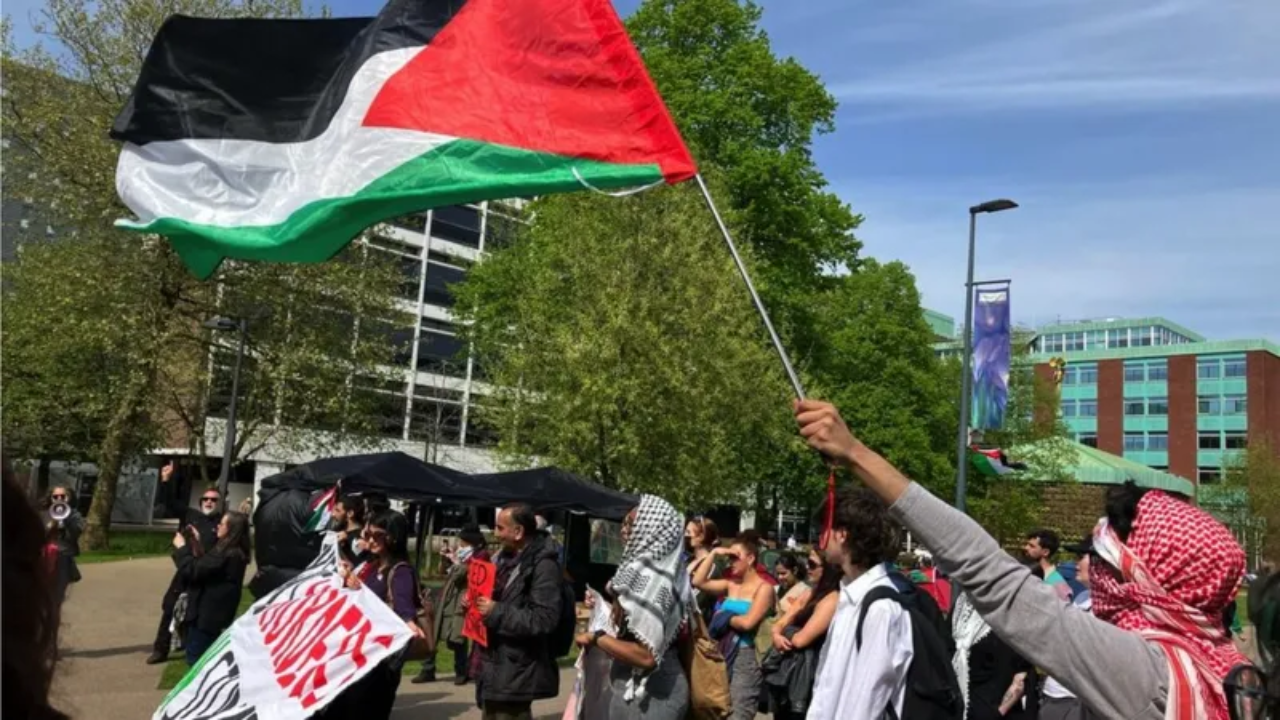
The investigation found that a group of well-known UK universities hired a specific security company to keep tabs on student-led movements. The firm was tasked with looking at what students were saying online and attending physical rallies on campus. In some cases, the security staff collected names and photos of those involved in pro-Palestine demonstrations. While universities often hire security for events, the level of data collection described in the report goes much further than standard safety measures.
Important Numbers and Facts
The report highlights several key figures that show the scale of this monitoring. At least 12 universities were named as clients of the security firm. The total amount spent across these institutions reached over £440,000. Some individual universities spent tens of thousands of pounds in just a few months. The data collected included social media posts, event locations, and the identities of key student organizers. This monitoring happened during a time of increased protest activity related to the ongoing conflict in Gaza.
Background and Context
To understand why this is happening, we have to look at the tension on UK campuses over the last year. Since the conflict in the Middle East intensified, many students have organized sit-ins, marches, and camps to show support for Palestine. Universities are in a difficult position. They are required by law to protect free speech, but they also have a duty to prevent harassment and ensure the safety of all students, including Jewish students who may feel targeted by certain types of protest. However, the use of private firms to gather intelligence on peaceful groups is seen by many as an extreme step that crosses a line from safety into spying.
Public or Industry Reaction
The reaction to this report has been swift and mostly negative. Student unions across the country have called the findings "disturbing" and "an attack on democracy." Civil rights groups have also weighed in, stating that universities should be places for open debate, not places where students are treated like suspects. On the other side, some university spokespeople have defended their actions. They claim that they only monitor events to make sure they have enough staff to keep people safe and to prevent any illegal activity from happening on campus. They deny that they are "spying" and instead call it "risk management."
What This Means Going Forward
Moving forward, this report could lead to legal challenges. Privacy experts are looking into whether these universities broke data protection laws by collecting information on students without a clear legal reason. There may also be new calls for the government to create stricter rules on how universities use private security firms. Students are likely to demand more transparency about how their tuition money is being spent. If the trust is not rebuilt, we may see more tension and more protests specifically aimed at university administrations.
Final Take
Universities are supposed to be safe spaces for learning and the exchange of ideas. When institutions spend large sums of money to secretly watch their students, it changes the feeling of the campus. While safety is important, it should not come at the cost of basic privacy and the right to protest. The balance between security and freedom is hard to find, but hiring private firms to track political activity seems to have tipped the scale in a direction that many find unacceptable.
Frequently Asked Questions
Why did universities hire security firms?
Universities say they hired these firms to manage risks, ensure campus safety during protests, and prevent any potential violence or illegal behavior.
Is it legal for universities to monitor student social media?
It depends on how the data is collected. While public posts can be seen by anyone, collecting and storing that data to track specific students may violate privacy and data protection laws.
Which universities were involved in the report?
The report mentions 12 universities, including several large and well-known institutions across the UK, though the specific list continues to be updated as more records are made public.