
Summary
Recent reports have highlighted a growing trend where migrants from Pakistan and Bangladesh are claiming to be gay to gain asylum in the United Kingdom. These individuals often tell immigration officials that they face persecution in their home countries due to their sexual orientation. Because homosexuality is illegal or socially dangerous in these nations, such claims can provide a legal path to staying in the UK. This situation has sparked a debate about how the government can tell the difference between genuine refugees and those using the claim as a loophole.
Main Impact
The main impact of these reports is a renewed focus on the UK’s asylum vetting process. When people make false claims to stay in the country, it puts a heavy burden on the legal and financial resources of the state. More importantly, it creates a difficult environment for real LGBTQ+ refugees who are actually in danger. If the system becomes too suspicious of every claim, people who truly need protection might be wrongly sent back to countries where they face violence or prison.
Key Details
What Happened
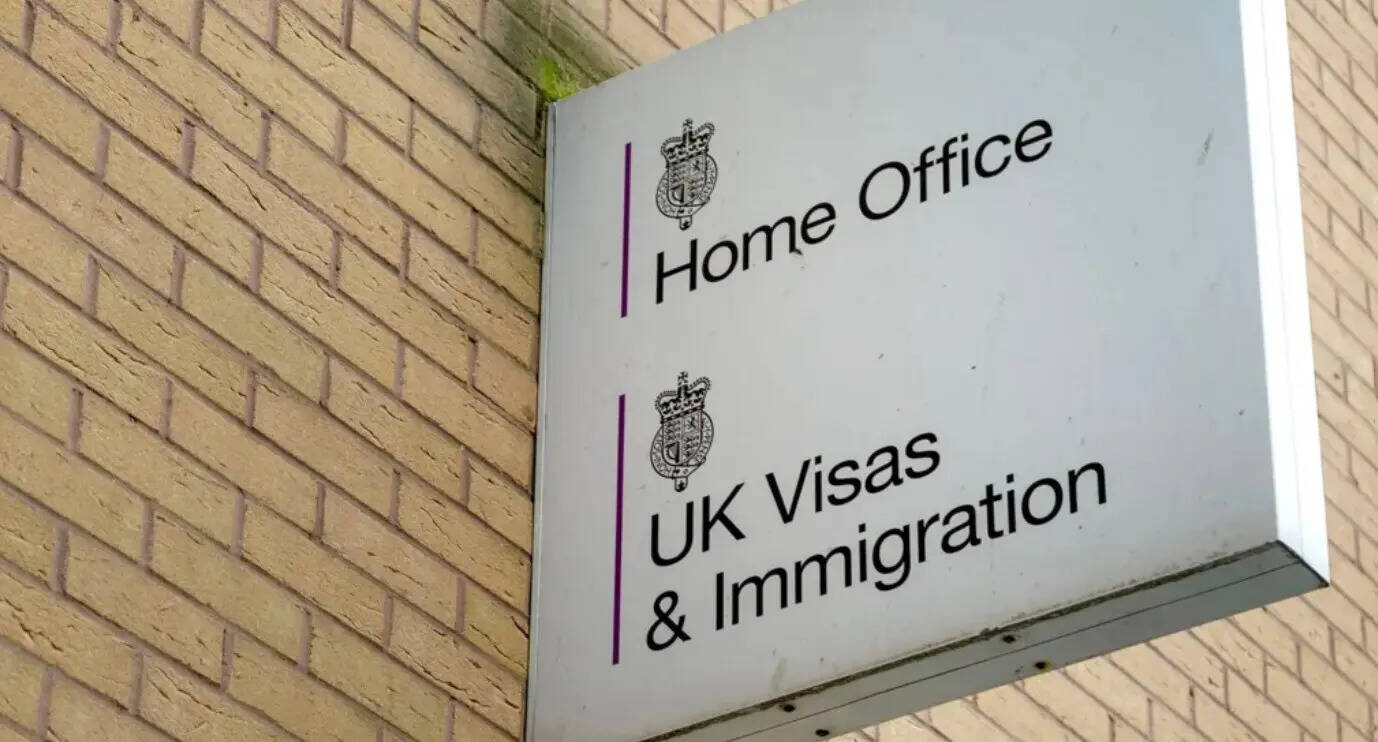
Information from immigration insiders and legal experts suggests that some migrants are being coached to pretend they are gay. These applicants learn specific stories and phrases to convince Home Office officials that they are part of the LGBTQ+ community. In many cases, these individuals come from Pakistan and Bangladesh, two countries where traditional values and laws make life very hard for gay people. By claiming they are at risk of harm, they hope to bypass standard immigration rules that might otherwise lead to their deportation.
Important Numbers and Facts
While exact numbers are hard to track because of the private nature of these interviews, the UK Home Office has seen a steady rise in asylum applications based on sexual orientation over the last decade. In Pakistan and Bangladesh, laws against same-sex acts can lead to years in prison. Because of this, the UK government often finds it hard to reject these claims without proof, as sending someone back to a dangerous situation would violate international human rights laws. Officials are now looking for better ways to verify these stories without being intrusive or unfair.
Background and Context
To understand why this is happening, it is important to look at the laws in the UK and abroad. Under international law, a person can seek asylum if they have a "well-founded fear of persecution" because of their race, religion, or membership in a particular social group. The LGBTQ+ community is recognized as one of these groups. In many parts of the world, being gay is not just a social issue but a criminal offense. This makes "sexual orientation" one of the most common reasons people give when they want to move from a developing nation to a Western country like the UK.
However, the UK has been trying to reduce overall migration numbers. This has led to stricter rules for work and study visas. As these paths become harder to use, more people may turn to the asylum system as a last resort to stay in the country. This creates a conflict between the need to protect human rights and the need to maintain strict border controls.
Public or Industry Reaction
The reaction to these reports has been mixed. Some political groups argue that the asylum system is being "gamed" or cheated by people who do not really need help. They are calling for tougher interviews and more physical evidence to prove a person's claim. On the other hand, human rights groups and charities are worried. They argue that it is impossible to "prove" someone’s sexuality and that asking for evidence can be degrading. They fear that a crackdown will lead to genuine victims of torture and abuse being ignored by a system that has become too cynical.
What This Means Going Forward
Moving forward, the UK government is likely to introduce new guidelines for how immigration officers handle these cases. This might include more detailed background checks or looking at the applicant's social history. There is also a push to speed up the decision-making process so that people are not waiting for years to find out if they can stay. The challenge will be finding a balance. The government wants to stop fraud, but it must also follow the law and protect those who are truly at risk of being killed or jailed in their home countries.
Final Take
The issue of migrants claiming to be gay to stay in the UK shows how complicated modern immigration has become. It highlights a clash between strict national borders and the global duty to protect human rights. While it is clear that some people may be using the system dishonestly, the focus must remain on creating a fair process. A system that is too easy to trick loses public trust, but a system that is too harsh risks the lives of the very people it was designed to save.
Frequently Asked Questions
Why do migrants use sexual orientation to apply for asylum?
Migrants use this claim because many countries have laws that punish gay people. If they can prove they are in danger, the UK is legally required to offer them protection and let them stay.
How does the UK government check if someone is telling the truth?
The Home Office conducts detailed interviews where they ask about the person's life, relationships, and fears. They also look for any inconsistencies in the person's story or evidence of their life in the UK.
What happens if an asylum claim is found to be fake?
If the government finds that an applicant lied on their application, the claim is rejected. The person can be detained and eventually deported back to their home country.

