
Summary
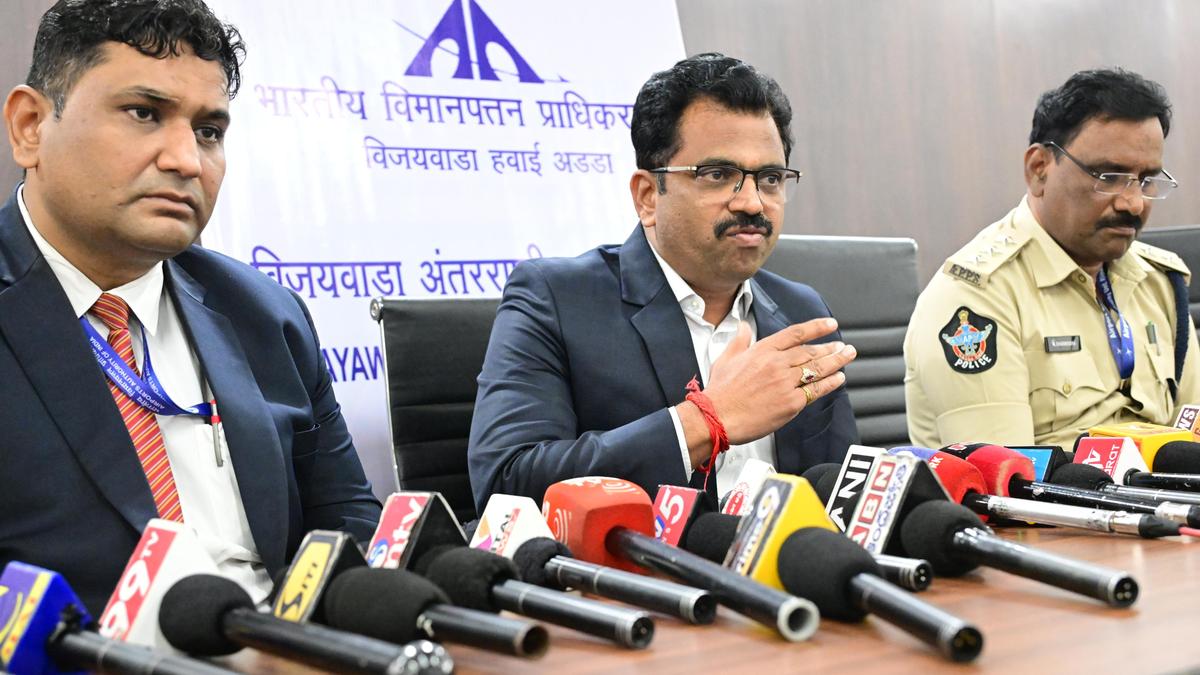
The Indian government has updated its regional flying plan, known as the UDAN scheme, to make air travel more affordable for the general public. While the changes aim to lower ticket prices and connect more small towns, the Director of Vijayawada Airport has pointed out a specific limitation. Because the scheme focuses on smaller, less-used airports, larger hubs like Vijayawada are not expected to see many direct benefits or new subsidies from these specific updates.
Main Impact
The primary goal of the modified UDAN scheme is to bring flying to people living in remote areas. By offering financial help to airlines, the government ensures that ticket prices stay low on routes that might otherwise be too expensive to fly. However, the impact on Vijayawada is different. Since Vijayawada Airport has already grown into a major travel point with steady traffic, it no longer fits the criteria for the most helpful parts of the scheme. This means that while the country sees more connectivity, Vijayawada will have to rely on its own growth and commercial demand rather than government support for new routes.
Key Details
What Happened
The Airport Director of Vijayawada recently spoke about the latest version of the Ude Desh ka Aam Naagrik (UDAN) program. He explained that the rules have been changed to prioritize "unserved" airports—places where no planes currently land—and "underserved" airports that have very few flights. Vijayawada has become a busy airport with many daily flights to cities like Hyderabad, Bangalore, and Chennai. Because of this success, the government believes the airport can stand on its own without the extra financial help provided to smaller locations.
Important Numbers and Facts
The UDAN scheme has been running for several years and has successfully opened hundreds of new routes across India. Under the new modifications, the government is focusing on shorter flights and smaller planes to reach deep into rural areas. For an airport to get help, it usually needs to have fewer than a certain number of weekly flights. Vijayawada exceeds these numbers, which is why it is now categorized as a larger airport. The scheme also sets a cap on airfares for a specific number of seats on each flight, often keeping prices around 2,500 rupees for an hour-long journey.
Background and Context
The UDAN program was started to help the "common man" fly. In the past, flying was seen as something only wealthy people could afford. The government wanted to change this by using a system called Viability Gap Funding. This is a simple idea where the government pays airlines a portion of their costs if they agree to fly to small towns and keep ticket prices low. Over time, this has helped many people travel for work or family emergencies much faster than using a train or a bus.
Vijayawada Airport, located in Gannavaram, has seen a lot of investment recently. A new terminal building is being built to handle more passengers. As the city grows as a business center, the demand for flights has increased naturally. This natural growth is why the airport is moving away from needing government-sponsored schemes to attract airlines.
Public or Industry Reaction
Travelers in the region have mixed feelings about this news. Many are happy that flying is becoming more common across India, but some had hoped the modified scheme would lead to even cheaper tickets from Vijayawada to other major cities. Aviation experts say that the Director’s statement is a sign of the airport's maturity. They believe that if an airport is busy enough, it should not take subsidies away from smaller towns that truly need the help to get their first flight services started.
Airlines are also looking at these changes closely. While they lose some subsidies at larger airports, they are encouraged to start new paths between small towns and regional hubs. This could eventually lead to more "feeder" flights, where people from small villages fly into Vijayawada to catch a larger plane to a different part of the world.
What This Means Going Forward
In the coming months, we will likely see more flights starting in very small towns across Andhra Pradesh and neighboring states. For Vijayawada, the focus will shift toward international travel and increasing the number of flights to big metro cities through private airline deals. The airport will continue to improve its facilities and runways to welcome larger planes. Even without the UDAN benefits, the airport is expected to remain a key part of the state's transport network because of its location and the growing number of business travelers.
Final Take
The modified UDAN scheme is a clear step toward making India a global leader in local aviation. While Vijayawada Airport might not get a direct financial boost from these specific new rules, the decision reflects its status as a successful and self-sustaining airport. The focus remains on helping the parts of the country that are still waiting for their first flight, ensuring that air travel is not just for big cities but for everyone.
Frequently Asked Questions
Why won't Vijayawada benefit from the new UDAN rules?
The scheme is designed to help small, quiet airports get started. Since Vijayawada is already a busy airport with many flights, it does not qualify for the same level of financial support as a town with no airport at all.
Will ticket prices go up at Vijayawada Airport?
The changes to the scheme do not mean prices will automatically go up. Prices at larger airports are usually decided by how many people want to fly and how many airlines are competing for their business.
What is the main goal of the UDAN scheme?
The main goal is to make flying affordable for everyone and to connect small towns to big cities. It helps airlines cover their costs so they can offer cheaper tickets to passengers in remote areas.

