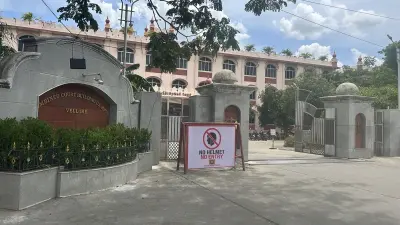
Court corridors in Udaipur are witnessing an unusual silence. Lawyers have moved from routine casework to protest mode — holding a demonstration and refusing to take part in judicial work. What began as a collective expression of discontent has now touched the working of the court itself.
Two issues driving the Udaipur court protest
According to the initial report, the agitation is centered on two connected concerns. First, lawyers have raised the issue of court facilities, pressing for improvements in the court complex. Second, they have voiced opposition to a plan for the quick disposal of targeted cases — a move they believe needs reconsideration.
Neither the exact nature of the facility shortfalls nor the details of the disposal plan have been spelled out in the available report.
Why the court facilities matter to lawyers and litigants
Functional courtrooms, waiting spaces, basic amenities and smooth administrative support are not extras — they decide how swiftly and fairly cases move. When lawyers say infrastructure is inadequate, the burden often falls on ordinary litigants who travel to court, wait for hours, and return without a hearing.
The protest has therefore put a public spotlight on an issue that affects everyone who depends on the district judiciary.
The quick-disposal plan for targeted cases: what lawyers are opposing
The second trigger appears to be a plan involving expeditious disposal of targeted or specified cases. While the broad intention of such a plan is usually to reduce pendency, lawyers are reportedly resisting the way it has been introduced or structured.
It is not yet clear which cases were classified as “targeted” or what process was proposed. Until the court administration or the bar explains the details, the scope of the disagreement remains unclear.
What the judicial boycott means for ordinary litigants
Whenever lawyers withdraw from judicial work, the immediate casualty is the list of matters scheduled for the day. Adjournments become inevitable. For litigants — many of whom take leave from work or travel from nearby towns — a boycott means lost time and prolonged uncertainty.
The emotional weight of this disruption is real: a case postponed is not just a legal delay, but a personal one.
Where officials and the bar stand — so far
The initial report does not mention any official response from the court administration or from bar leadership. In such disputes, the next step is usually dialogue — between the lawyers’ body and the district judge or administrative officials — but no such development has been reported yet.
Until a verified statement is issued, public claims about resolutions or concessions should be treated as speculation.
Confirmed facts vs what remains unclear
What is known: lawyers demonstrated at the Udaipur court; judicial work has been boycotted; court facilities were raised as an issue; and the targeted-case quick disposal plan is being opposed.
What is not yet known: the exact date, the number of lawyers involved, the duration of the boycott, and the response of the judiciary. No names of office bearers or official spokespersons have been mentioned in the available report.
Risks in the standoff
There are two sides to this moment. The lawyers have a legitimate right to raise professional and infrastructural concerns. But a prolonged boycott also restricts access to justice — a constitutional value that lawyers are expected to protect.
The longer the protest continues, the more difficult it becomes to separate the merits of the demands from the inconvenience caused to litigants. A balanced resolution would require both the administration and the bar to engage without delay.
What should litigants and advocates do now
If you have a matter listed at the Udaipur court, confirm with your advocate before travelling. Avoid relying on social media posts about the boycott — verify through your lawyer or the court’s official notice board.
For lawyers outside the protest, the advice is simple: stay informed through your bar association and wait for an official communication before resuming normal work.
Possible routes to resolution
The most probable exit from this deadlock is a meeting between the bar and the district court administration. Facilities-related grievances are often resolved through inspection committees or administrative orders.
The dispute over the targeted-case disposal plan may require a written clarification. How quickly the two sides come to the table will decide the impact on pending cases.
Our Take
The Udaipur protest is about more than a single court complex. It reflects a recurring tension in the Indian judiciary — between efforts to fast-track disposals and the everyday realities of infrastructure and legal practice. Both concerns are legitimate, but neither should be resolved at the cost of litigants who simply want their day in court.
This is a developing story. The available information is limited to the initial report; verification of official responses is still awaited.
Frequently Asked Questions
Why are lawyers protesting at Udaipur court?
Lawyers at the Udaipur court are demonstrating and boycotting judicial work over two issues — court facilities and a reported plan for quick disposal of targeted cases, according to the initial report.
What is the targeted case disposal plan that lawyers oppose?
The available report does not specify which cases are covered or how the plan would work. Lawyers have opposed it, but the official details have not yet been made public.
Will court cases in Udaipur be delayed because of the boycott?
Judicial work has been affected by the boycott, so scheduled matters may face adjournment. Litigants should check with their lawyers before visiting the court.
How can litigants get official updates about the Udaipur court boycott?
Follow the official notice board of the court and consult your advocate or the local bar association. Do not rely on unverified social media messages.