
Summary
The United Arab Emirates (UAE) is reportedly moving away from its long-held neutral stance regarding Iran. Abu Dhabi is now urging the United States and other global allies to use military force to ensure the Strait of Hormuz remains open. This change comes after a series of attacks on shipping vessels that have put global energy supplies at risk. By pushing for a more aggressive approach, the UAE is signaling that it is ready to face the risks of a direct conflict to protect its economic interests.
Main Impact
The decision by the UAE to consider military action marks a major shift in Middle Eastern politics. For a long time, the UAE has tried to stay out of direct fights with Iran to protect its status as a safe place for business and tourism. However, the constant disruption of oil routes has made this neutral path harder to follow. If the UAE joins or supports a military move to clear the strait, it could lead to a much larger war in the region. This development shows that the threat to global trade has reached a point where diplomacy is no longer seen as enough.
Key Details
What Happened
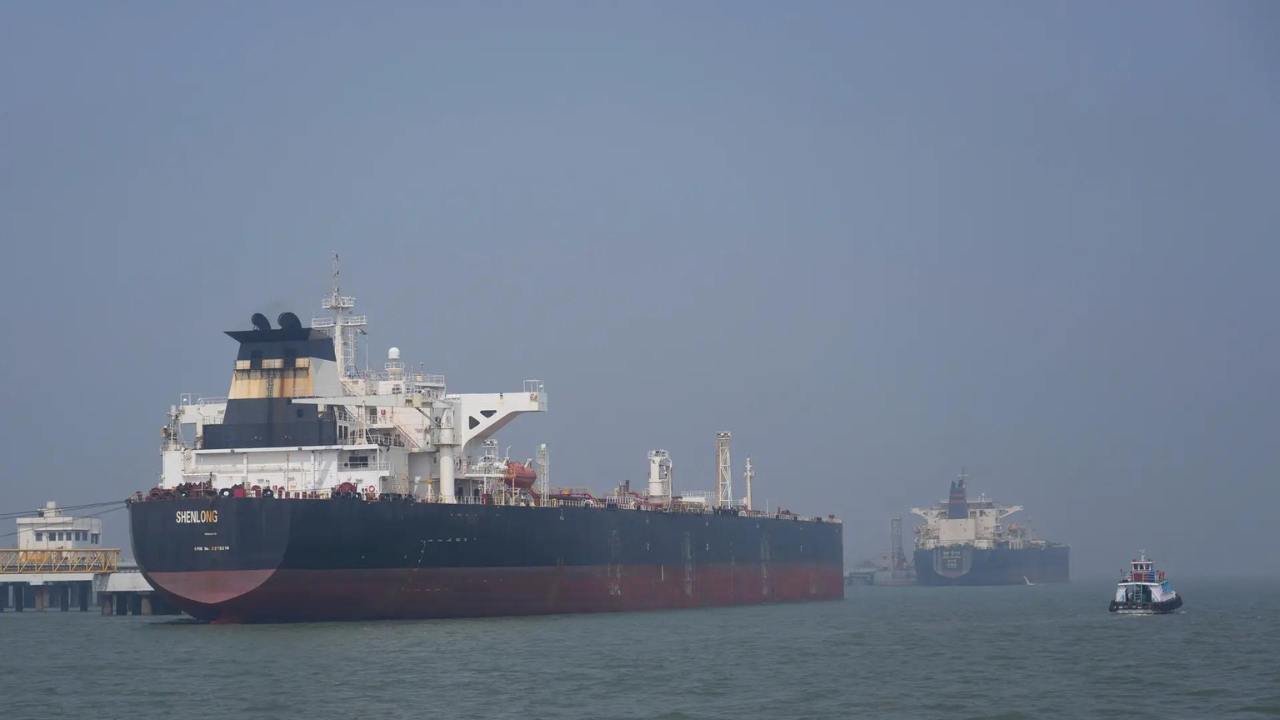
In recent months, there have been several incidents involving commercial ships in the waters near Iran. These ships, which carry oil and goods to countries all over the world, have faced attacks and seizures. Iran has been blamed for these actions, which have made the Strait of Hormuz a dangerous place for international shipping. Frustrated by the lack of progress in stopping these attacks, Abu Dhabi has started talks with Western powers about using military strength to protect the waterway. This would involve using warships to escort tankers and potentially attacking any forces that try to block the path.
Important Numbers and Facts
The Strait of Hormuz is one of the most important locations for the global economy. It is a very narrow stretch of water that connects the Persian Gulf with the rest of the world's oceans. About 20% of the world's total petroleum passes through this point every single day. Because the passage is so narrow, even a small military action can cause a complete stop in ship traffic. The UAE is one of the world's top oil producers, and most of its wealth depends on being able to send its oil through this strait without interference. Recent reports suggest that insurance costs for ships in this area have gone up significantly, adding a heavy financial burden to global trade.
Background and Context
To understand why this matters, one must look at how the UAE has acted in the past. For years, the country has tried to be a friend to everyone. It has built a massive economy based on trade, luxury travel, and finance. A war would be very bad for these industries. However, Iran and the UAE have had a tense relationship for decades due to disagreements over islands and regional influence. Iran has often used the threat of closing the Strait of Hormuz as a way to pressure other countries. In the past, the UAE would call for calm and dialogue. Now, it seems they believe that only a show of force will stop the disruptions. This change suggests that the UAE feels its national security is now more at risk from a closed shipping route than from a potential military conflict.
Public or Industry Reaction
The reaction to this news has been a mix of support and deep concern. Many shipping companies are relieved that a major regional power is calling for more protection. They want their crews and cargo to be safe from attacks. On the other hand, energy experts are worried that talking about military force will cause oil prices to jump. If traders think a war is coming, the price of gas and oil will go up everywhere. Some political experts also warn that Iran will not take this lightly. Iranian officials have already made statements saying they will defend their waters and that any foreign military presence will only make things worse. There is a real fear that a small mistake during a military patrol could spark a massive fire that spreads across the entire Gulf.
What This Means Going Forward
The next few weeks will be critical for the region. The UAE is waiting to see how the United States and its allies respond to the call for force. If the US decides to send more warships and take a more active role, we could see a new international task force dedicated to keeping the strait open. This would mean more military drills and a constant presence of armed vessels in the area. The UAE would likely provide support through its own navy and air force bases. However, this also means the UAE must prepare for possible retaliation. This could include cyberattacks or missile strikes on its cities. The country will need to strengthen its defense systems while trying to keep its economy running normally during a very tense time.
Final Take
The UAE is making a very difficult choice. By moving away from neutrality, they are choosing to protect the flow of oil and trade at any cost. This is a clear sign that the current situation in the Strait of Hormuz is no longer sustainable for the countries that rely on it. While using force might clear the path for ships, it also opens the door to a dangerous and unpredictable conflict. The world is now watching to see if this bold move will bring stability back to the seas or if it will lead to the very war the UAE has tried so hard to avoid for so long.
Frequently Asked Questions
Why is the UAE asking for military force now?
The UAE is frustrated by repeated attacks on ships in the Strait of Hormuz. These attacks threaten their oil exports and the global economy, and they believe diplomacy is no longer working to stop Iran's actions.
What is the Strait of Hormuz?
It is a narrow waterway that connects the Persian Gulf to the open ocean. It is the most important oil shipping route in the world, with millions of barrels of oil passing through it every day.
What are the risks of this new plan?
The biggest risk is a full-scale war between Iran and a coalition led by the US and the UAE. This could lead to higher oil prices, damage to cities, and a long-term conflict that hurts global trade.

