
Summary
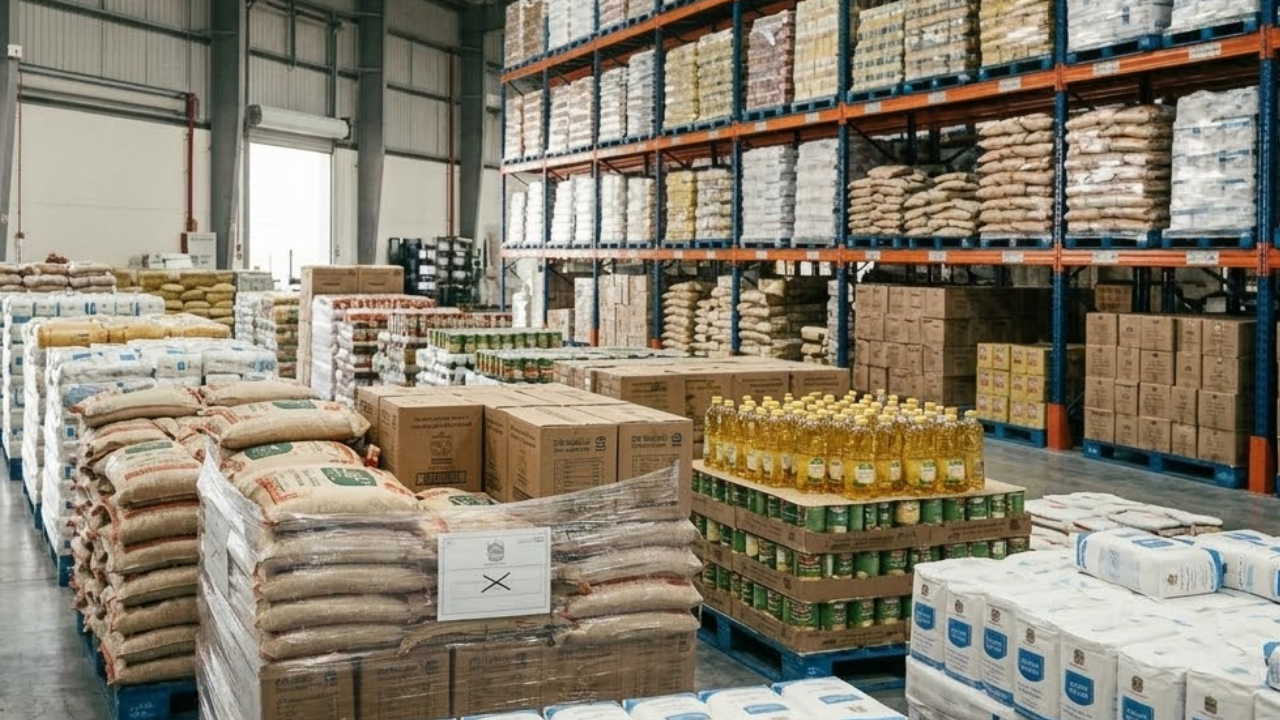
The United Arab Emirates government has officially confirmed that the country holds a strategic reserve of essential goods sufficient to last for at least six months. This announcement comes as part of a broader effort to ensure that food and basic supplies remain available and affordable for all residents. To prevent unfair price increases, authorities have started conducting daily inspections across retail markets and shopping centers. These measures are designed to protect consumers from market fluctuations and ensure that the supply chain remains strong.
Main Impact
The primary impact of this announcement is the sense of security it provides to the public. By maintaining a half-year supply of vital goods, the UAE is effectively shielding its population from global supply chain disruptions or sudden price spikes. This proactive approach means that residents do not need to worry about shortages of daily necessities. Furthermore, the strict monitoring of prices ensures that retailers do not take advantage of market changes to overcharge customers. This creates a more stable economic environment for families and individuals living in the country.
Key Details
What Happened
UAE authorities have stepped up their oversight of the local market to maintain price stability. This involves a two-part strategy: keeping a large physical stock of goods and enforcing strict pricing rules. Government inspectors are now visiting stores every day to check the price tags on shelves. They are comparing these prices against official regulations to make sure no one is breaking the law. If a shop is found to be raising prices without a valid reason, they could face legal action or heavy fines.
Important Numbers and Facts
The government has highlighted several key figures to show the scale of their efforts. First, the national reserve is guaranteed to last for six months. Second, there are nine specific categories of essential items that are under strict price control. These include basic foods like cooking oil, eggs, dairy products, rice, sugar, poultry, legumes, bread, and flour. Additionally, the authorities addressed recent concerns regarding the cost of vegetables. They noted that temporary price increases for onions and tomatoes are being handled by increasing the supply from different sources to bring prices back down to normal levels.
Background and Context
Food security is a top priority for the UAE because the country imports a large portion of its food. Because the local climate makes it difficult to grow everything domestically, the government must manage international trade and local storage very carefully. In recent years, global events have caused food prices to rise in many parts of the world. To prevent this from hurting people in the UAE, the Ministry of Economy and other departments work together to keep the market balanced. This system of "strategic reserves" acts as a safety net, ensuring that even if there is a problem with international shipping, the country has enough food stored in warehouses to keep everyone fed.
Public or Industry Reaction
The reaction from the public has been largely positive, as many people feel relieved that the government is taking direct action against inflation. Shoppers have expressed appreciation for the daily inspections, noting that it keeps stores honest. On the industry side, major retailers and supermarket chains have expressed their commitment to cooperating with the government. Most large businesses understand that keeping prices fair is better for the long-term health of the economy. However, some smaller retailers have had to adjust their operations quickly to stay in line with the new, stricter monitoring rules.
What This Means Going Forward
Looking ahead, the UAE will likely continue to expand its storage capabilities to make the country even more resilient. The daily inspections are not a temporary measure; they are expected to remain a regular part of how the market is managed. The government is also looking for new ways to diversify where it buys its food from, so it is not dependent on just one or two countries. For consumers, this means they can expect price stability to continue. If any new global issues arise, the six-month buffer gives the government plenty of time to find solutions without the public feeling the pressure of a shortage.
Final Take
The UAE is taking a very clear and firm stand on protecting its residents from rising costs. By combining a massive six-month stock of food with daily market checks, the government is showing that it will not tolerate price gouging. This strategy ensures that basic needs remain affordable for everyone, regardless of what is happening in the global economy. It is a strong example of how careful planning and active regulation can create a stable and safe market for millions of people.
Frequently Asked Questions
Which items are included in the price control list?
The government regulates nine main categories, including cooking oil, eggs, dairy, rice, sugar, poultry, legumes, bread, and flour. These are considered essential for every household.
How long will the current food reserves last?
The UAE has confirmed that it has enough essential goods in its strategic reserves to meet the needs of the entire country for at least six months.
What is being done about the high price of onions and tomatoes?
Authorities are aware of the temporary price spikes for these vegetables. They are currently increasing the supply in the market to help lower the costs and make them more affordable again.

