Summary
The 2026 Tripura Tribal Areas Autonomous District Council (TTAADC) election results have sent a clear message across the state. The ruling Bharatiya Janata Party (BJP) has faced a significant and unexpected defeat in these local polls. Meanwhile, the TIPRA Motha party has shown strong growth, proving that it remains the primary choice for tribal voters. This outcome marks a major shift in the political environment of Tripura, as regional identity seems to be winning over national party promises.
Main Impact
The most direct impact of these results is the loss of influence for the BJP in the tribal regions of Tripura. For a party that has held power in the state since 2018, this loss is seen as a major setback. It shows that the "double engine" government model, which focuses on having the same party in power at both the state and national levels, may not be working for everyone. The rise of TIPRA Motha suggests that tribal communities are prioritizing their own local issues and identity over the broader goals of national parties.
This shift also changes how the state government will have to work. Since the TTAADC governs a large portion of the state's land, the BJP-led state government will now have to deal with a strong and confident opposition in the tribal areas. This could lead to more debates over land rights, local funding, and the demand for a separate state or more power for tribal regions.
Key Details
What Happened
The TTAADC elections were held to choose leaders for the council that manages tribal areas in Tripura. When the votes were counted on April 19, 2026, it became clear that the BJP had lost many of its seats. TIPRA Motha, led by the royal family of Tripura, managed to hold onto its support and even grow in some areas. This is the second time in a row that the BJP has failed to take control of this council, but the 2026 loss is considered much more serious because the party expected to do better after years in power.
Important Numbers and Facts
The TTAADC covers about two-thirds of the total land area of Tripura. It is home to a large part of the state's population, specifically the indigenous tribal communities. In the 2021 elections, the BJP also faced a loss, but they hoped that by 2026, their development projects would win over voters. However, the data shows that voters in the "hills" (the tribal areas) voted differently than those in the "plains" (the non-tribal areas). The high voter turnout suggests that people were very eager to have their voices heard in this election.
Background and Context
To understand why this matters, one must look at the history of Tripura. For a long time, the state was ruled by left-wing parties. In 2018, the BJP won a historic victory and took control of the state government. However, Tripura is divided into two main political zones: the tribal areas and the non-tribal areas. The TTAADC was created to give tribal people more power over their own lives and land.
In recent years, a new movement called "Tipraland" has become very popular. This movement asks for more rights and even a separate state for the indigenous people. TIPRA Motha has led this movement, and their success in the 2026 elections shows that these demands are still the most important thing for tribal voters. The BJP has tried to offer economic development instead, but these results show that development alone might not be enough to satisfy the desire for political identity.
Public or Industry Reaction
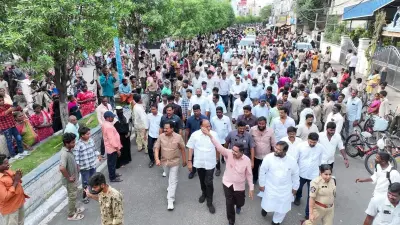
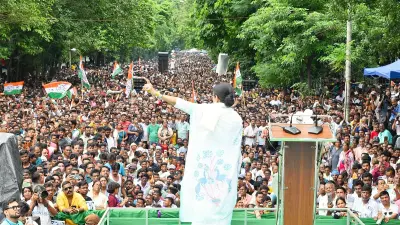
The reaction from the public has been mixed. In the tribal areas, there is a sense of celebration. Many people feel that TIPRA Motha is the only party that truly understands their culture and history. On the other hand, supporters of the BJP are surprised by the scale of the loss. Some political experts believe the BJP failed because they did not address the specific fears of the tribal people regarding land and language.
Other opposition parties, like the Left Front and Congress, are also looking at these results closely. While they did not win, they see the BJP's loss as a sign that the ruling party is not unbeatable. Within the BJP, there are already talks about changing their strategy before the next big state-wide election. They will need to find a way to connect with tribal voters if they want to stay in power in the long term.
What This Means Going Forward
Looking ahead, the relationship between the state government and the TTAADC will likely be tense. There will be more pressure on the state to give more money and power to the council. TIPRA Motha will use this victory to push their main goal: the protection of indigenous rights. They may also look to form new alliances with other parties to challenge the BJP in the next state assembly election.
For the BJP, the next few months will be about damage control. They need to figure out why their message did not work in the hills. If they cannot fix this, they risk being a party that only represents the non-tribal parts of the state. This could make it very hard for them to win future elections, as the tribal vote is often the deciding factor in Tripura politics.
Final Take
The 2026 TTAADC results show that local identity is a powerful force that national parties cannot ignore. While the BJP remains strong in many parts of India, these results prove that Tripura's tribal areas have their own unique political path. The rise of TIPRA Motha is not just a temporary trend; it is a sign that the people want leaders who put their specific needs and identity first.
Frequently Asked Questions
What is the TTAADC?
The TTAADC stands for the Tripura Tribal Areas Autonomous District Council. It is a local government body that has the power to make laws and manage land in the tribal areas of Tripura.
Who won the 2026 TTAADC elections?
The TIPRA Motha party won the majority of the seats, showing that they are the most popular party among tribal voters in the state.
Why did the BJP lose the election?
The BJP lost mainly because tribal voters preferred the regional identity and local focus of TIPRA Motha over the national policies of the BJP. Issues like land rights and tribal identity were more important to voters than the BJP's development promises.