
Summary
Former President Donald Trump has sparked a new wave of conversation after making unusual claims about the health benefits of soda. During a recent public appearance, he suggested that soda might have the ability to kill cancer cells. He also described the processed beverage as being "freshly squeezed," a comment that has left many health experts and citizens confused. This development has raised concerns about the spread of medical misinformation and how it affects public health choices.
Main Impact
The primary impact of these statements is the potential for public confusion regarding nutrition and serious illnesses. When a high-profile figure makes claims about cancer treatments, it can lead people to doubt established medical science. Doctors are worried that some individuals might choose sugary drinks over proven medical advice. Additionally, this has reignited the debate over how much influence political leaders should have when talking about health topics that they are not trained in. The scientific community has been quick to respond, emphasizing that there is no evidence to support the idea that soda can cure or prevent cancer.
Key Details
What Happened
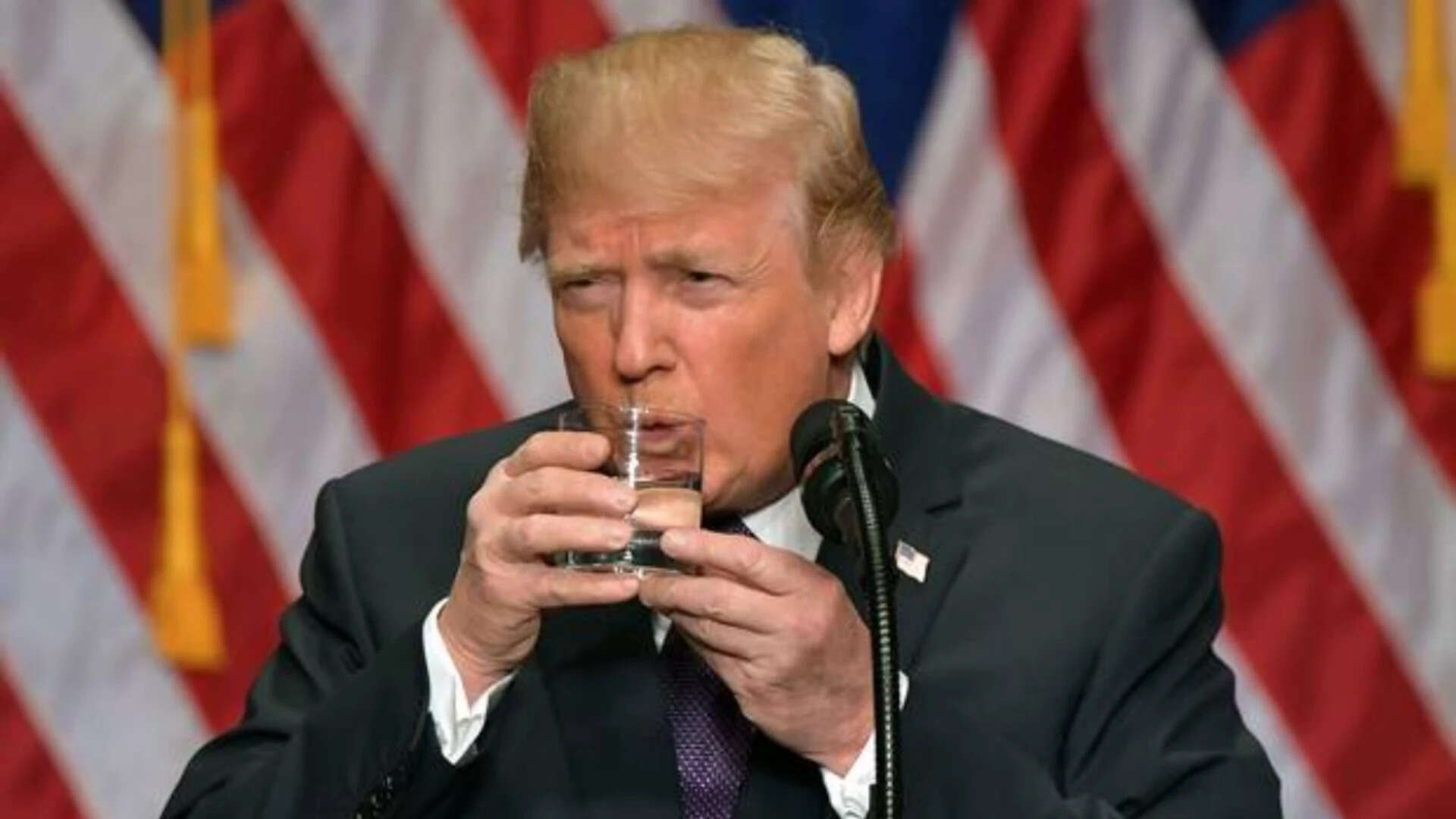
The comments were made during a gathering where Trump was discussing his personal habits and his love for carbonated drinks. He spoke about the ingredients in soda in a way that suggested they were natural or healthy. The most surprising part of his speech was when he asked the crowd, "It’s freshly squeezed, how bad could it be?" while referring to a brand of soda. He went on to claim that the bubbles or the mixture itself could potentially target and destroy cancer cells within the body. These remarks quickly went viral on social media, leading to both support from his fans and sharp criticism from health professionals.
Important Numbers and Facts
Medical data shows a very different picture than the one presented in these claims. Standard soda contains about 39 grams of sugar per 12-ounce can, which is more than the daily recommended limit for most adults. Research from the American Cancer Society has shown that high sugar intake is a leading cause of obesity, which is a known risk factor for at least 13 types of cancer. Furthermore, soda is a highly processed product made with carbonated water, high-fructose corn syrup, and artificial flavors. It does not contain "freshly squeezed" ingredients, as those are typically found in raw fruits and vegetables.
Background and Context
This is not the first time Donald Trump has expressed a strong preference for soda. During his time in the White House, it was widely reported that he had a special button on his desk used specifically to order Diet Coke. He has often praised the drink for giving him energy and has dismissed concerns about its health effects. This latest comment follows a pattern of the former president making bold health claims. In the past, he has spoken about various treatments and lifestyle choices that experts often found to be at odds with standard medical practice. Understanding this history helps explain why his recent comments about cancer and soda have gained so much attention so quickly.
Public or Industry Reaction
The reaction to these claims has been swift and divided. Many medical organizations issued statements within hours to clarify that soda is not a medical treatment. Doctors on social media have used the opportunity to educate the public on the dangers of high sugar consumption. On the other hand, some of Trump's supporters viewed the comments as a joke or a lighthearted way of showing his personality. They argue that he was not giving serious medical advice but was simply expressing his personal enjoyment of the drink. However, critics argue that even if the comments were meant to be funny, they are dangerous because some people might take them literally.
What This Means Going Forward
Moving forward, this event highlights the ongoing struggle between popular opinion and scientific fact. It shows that health communication is becoming more difficult in an age where anyone can share an opinion with millions of people. We can expect health officials to increase their efforts to provide clear, fact-based information to the public. There may also be more pressure on social media companies to label health-related claims that do not align with scientific evidence. For the average person, this serves as a reminder to always consult with a doctor or a qualified health professional before making changes to their diet or believing new health claims found online.
Final Take
While soda remains a popular drink for millions, it is important to separate personal taste from medical reality. Claims that processed sugary drinks can fight cancer are not supported by any scientific study. Staying healthy requires following advice from experts who study medicine and nutrition. As public figures continue to share their views, the responsibility falls on the individual to look for the facts and prioritize their health based on proven science rather than catchy phrases or personal opinions.
Frequently Asked Questions
Can soda actually kill cancer cells?
No, there is no scientific evidence that soda kills cancer cells. In fact, the high sugar content in soda is linked to health problems that can increase the risk of cancer.
Is soda "freshly squeezed"?
No, soda is a manufactured product made in factories. It consists of carbonated water, sweeteners, and chemicals. It is not made by squeezing fresh fruit.
Why are doctors concerned about these comments?
Doctors are worried because misleading health information can cause people to make poor choices about their diet or avoid necessary medical treatments for serious diseases like cancer.

