
Summary
President Donald Trump has ordered the U.S. Navy to start a blockade of the Strait of Hormuz. This move comes after peace talks with Iran failed to reach an agreement. The goal is to stop Iran from exporting its own oil while it keeps the rest of the world’s energy supplies blocked. By cutting off Iran’s main source of money, the U.S. hopes to force an end to the current conflict and reopen the vital waterway.
Main Impact
The decision to start a naval blockade is a major escalation in the six-week-old conflict. It shifts the pressure directly onto Iran’s economy, which was already in trouble before the fighting began. If successful, the blockade could stop Iran from profiting from high oil prices. However, it also puts U.S. warships in a dangerous area where they could be attacked by Iranian missiles, drones, and mines. This move is designed to squeeze the Iranian government without needing to send soldiers onto the ground.
Key Details
What Happened
For several weeks, Iran has used drone and missile attacks to prevent ships from passing through the Strait of Hormuz. This narrow path is the only way out of the Persian Gulf for many oil tankers. While Iran stopped other countries from moving their oil, it continued to ship its own oil to buyers like China. This allowed Iran to make a lot of money as global oil prices went up. The U.S. blockade is meant to stop this "one-way" trade and put an end to Iran's financial gains.
Important Numbers and Facts
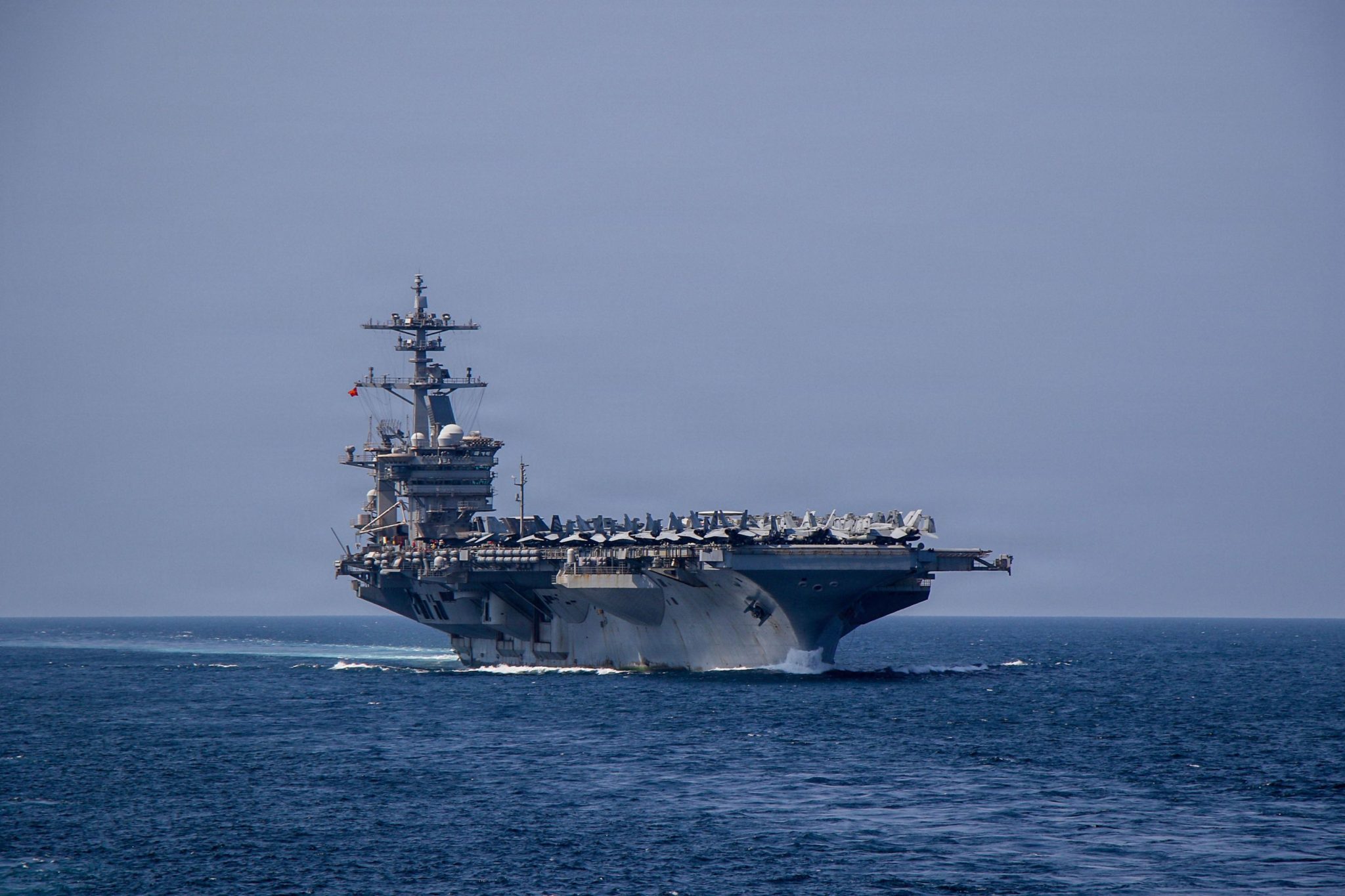
The Strait of Hormuz is one of the most important places in the world for energy. About 20% of the world’s oil and liquid natural gas passes through this small area. To keep the blockade working, military experts say the U.S. will need a massive amount of equipment. This includes two aircraft carrier strike groups to provide protection from the air. It also requires about 12 destroyers and frigates to wait outside the Gulf, and another six warships to stay inside the Gulf. The U.S. will also look for help from the navies of Saudi Arabia and the United Arab Emirates.
Background and Context
The Strait of Hormuz is often called a "choke point" because it is so narrow and so important. When it is closed, the global supply of oil drops, and prices for gasoline and heating go up for everyone. Iran has often threatened to close the strait during times of tension. In this current war, they have actually done it. The U.S. and its allies believe that by stopping Iran’s ability to sell oil, they can make the war too expensive for the Iranian government to continue. This is seen as a middle-ground option between doing nothing and starting a full-scale invasion.
Public or Industry Reaction
Military experts are calling this a "big gamble." Retired Admiral James Stavridis noted that while the plan is smart, it is also very complicated to manage. He warned that Iran might try to sneak oil out using smaller boats or by laying more mines in the water. There are also concerns that countries like Russia or China could help Iran by launching cyberattacks against U.S. systems. On the economic side, some analysts believe the blockade might actually help lower oil prices in the long run. They argue that if the blockade makes the war end faster, the markets will calm down and prices will return to normal.
What This Means Going Forward
In the coming days, the U.S. will continue to move more ships into the region. A Marine Expeditionary Unit is already there, and more carriers are on the way. The first step for the Navy is to clear away mines that Iran has placed in the water. This will create a "new passage" for safe shipping. The big question is how Iran will react. If they feel backed into a corner, they might increase their attacks on U.S. ships. The U.S. Navy has previously described the strait as a "kill box" because it is so easy for Iran to target ships there. The success of this plan depends on whether the U.S. can protect its ships while keeping the pressure on Iran's wallet.
Final Take
The U.S. is using its naval power to hit Iran where it hurts most: its bank account. By blockading the Strait of Hormuz, the U.S. is trying to turn Iran's own strategy against it. It is a high-stakes move that could either end the war quickly or lead to a much larger fight. For now, the world is watching the Persian Gulf to see if this economic squeeze will be enough to bring peace back to the region.
Frequently Asked Questions
What is a naval blockade?
A naval blockade is when a country uses its warships to stop ships from entering or leaving a specific area. In this case, the U.S. is stopping ships from carrying Iranian oil out of the Persian Gulf.
Why is the Strait of Hormuz so important?
It is the main route for oil coming out of the Middle East. Since a huge portion of the world's energy travels through this narrow waterway, any trouble there causes global oil prices to rise quickly.
Will this make gas prices go up?
In the short term, prices might go up because of the uncertainty and the loss of Iranian oil. However, some experts believe that if the blockade ends the war quickly, prices will eventually go down.



