
Summary
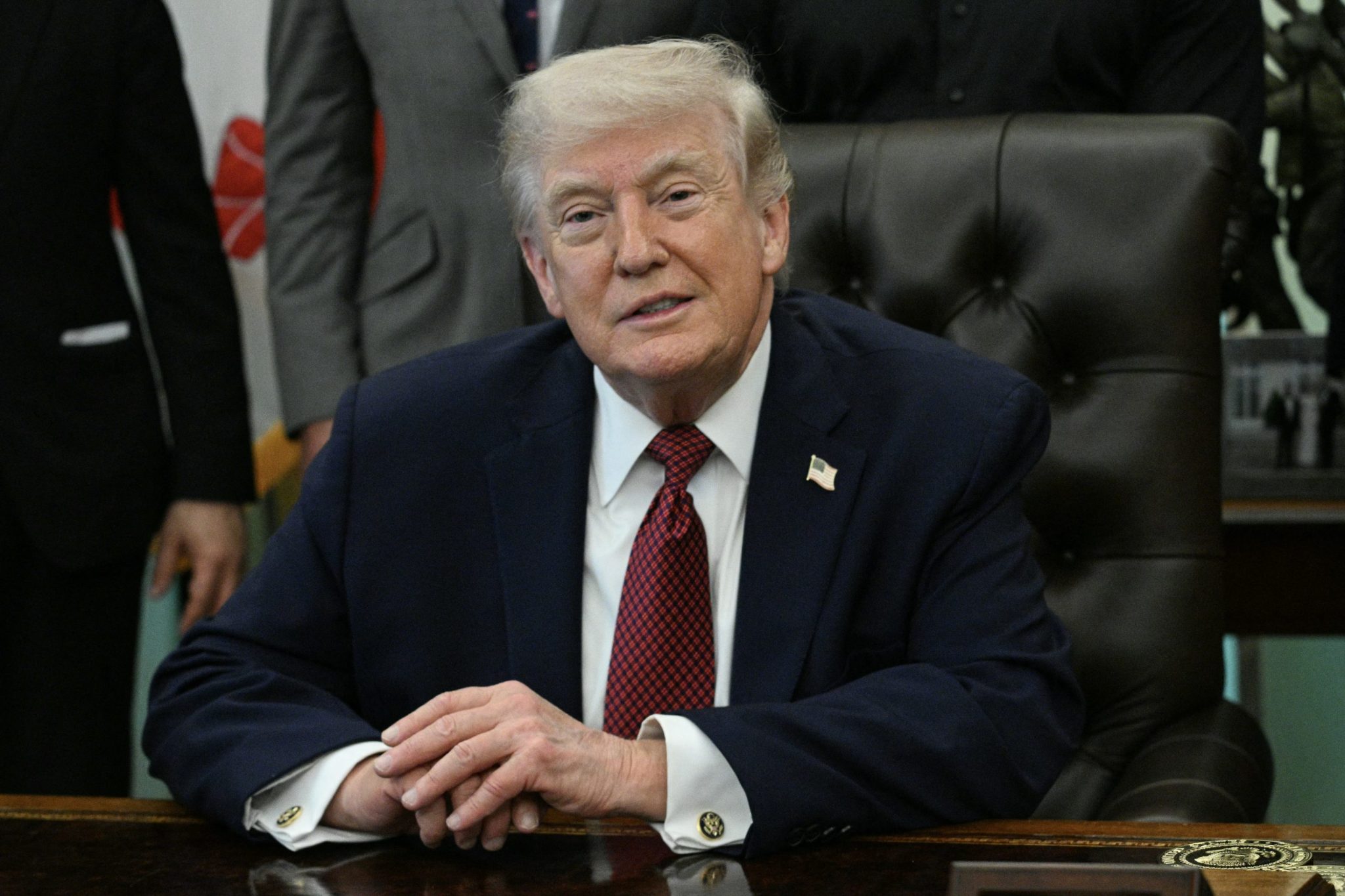
President Donald Trump shared different messages on Monday regarding the ongoing war between the United States and Iran. He stated that he feels no pressure to end the fighting immediately, yet he also predicted that a resolution would happen very soon. A two-week ceasefire is set to end this Wednesday, and the President warned that military action would increase if a new deal is not reached. While the U.S. prepares for more talks in Pakistan, Iran has expressed hesitation, claiming they will not negotiate while being threatened.
Main Impact
The most immediate concern is the expiration of the ceasefire on Wednesday. If the U.S. and Iran cannot agree on new terms, the temporary pause in heavy fighting will end. President Trump has already suggested that he is unlikely to extend the current ceasefire. This uncertainty has caused global oil prices to rise and has created fear in financial markets. The conflict is also affecting gas prices in the U.S., leading to disagreements within the government about when costs will go down for regular drivers.
Key Details
What Happened
Over the weekend, the situation became more tense near the Strait of Hormuz, a narrow and important water path for oil ships. The U.S. Navy seized a cargo ship, accusing it of trying to break a blockade. In response, Iran fired at other ships and stopped traffic in the area. Iran claims the U.S. is not following the rules of the ceasefire, while the U.S. says it is simply enforcing its military limits on Iranian ports. Despite these clashes, the U.S. plans to send a team led by Vice President JD Vance to Pakistan for a second round of peace talks.
Important Numbers and Facts
The human and economic cost of the war continues to grow. According to reports from Iran, at least 3,375 people have died in that country since the war began on February 28. This number includes nearly 400 children. In Lebanon, more than 2,290 people have been killed. The U.S. has lost 13 service members in the region, and 15 Israeli soldiers have died in Lebanon. On the economic side, oil prices have jumped to $95 a barrel, which is much higher than the $70 price seen before the war started. The U.S. military also confirmed it has turned away 27 ships from Iranian ports in just the last week.
Background and Context
This war began about seven weeks ago when the U.S. and Israel launched attacks on Iran. A major reason for the tension is the Strait of Hormuz. This small area of water is vital because about 20% of all the world's oil passes through it. When Iran blocks this path, it causes energy prices to go up everywhere. The U.S. has also put a blockade on Iran, which means they are using ships to stop goods from entering or leaving Iranian ports. The two sides are also arguing over Iran's nuclear program and its support for various armed groups in the Middle East.
Public or Industry Reaction
President Trump has faced criticism from both Democrats and some members of his own Republican party who want the war to end quickly. Trump dismissed these critics, saying that Iran is in a weak position and that now is the time to push for a better deal. He also publicly disagreed with his own Energy Secretary, Chris Wright. Wright suggested that gas prices might stay high until next year, but Trump insisted that prices would drop quickly once the war ends. Meanwhile, investors are nervous, causing the stock market to dip slightly as they wait to see what happens after the Wednesday deadline.
What This Means Going Forward
The next few days are critical for the region. If the talks in Pakistan do not happen or fail to produce a result, the U.S. may resume heavy bombing. Trump has used strong language, saying "lots of bombs" could be used if Iran does not agree to his terms. At the same time, there is a small sign of hope in other areas. Officials from Israel and Lebanon are scheduled to meet in Washington this Thursday to discuss a peace agreement and the disarming of the group Hezbollah. This shows that while the war with Iran is stuck, some diplomatic efforts are still moving in other parts of the Middle East.
Final Take
The world is watching to see if the Wednesday deadline leads to a new peace deal or a major increase in fighting. President Trump is using a mix of military threats and diplomatic talks to get what he wants. While he claims there is no rush, the rising death toll and high energy prices are putting pressure on everyone involved to find a way out of the conflict.
Frequently Asked Questions
When does the current ceasefire end?
The 14-day ceasefire between the United States and Iran is scheduled to expire this Wednesday.
Why are oil prices going up?
Prices are rising because of the war and the fact that Iran has blocked the Strait of Hormuz, which is a major route for the world's oil supply.
Where are the peace talks taking place?
The U.S. and Iran are expected to hold a second round of negotiations in Islamabad, the capital of Pakistan.



