
Summary
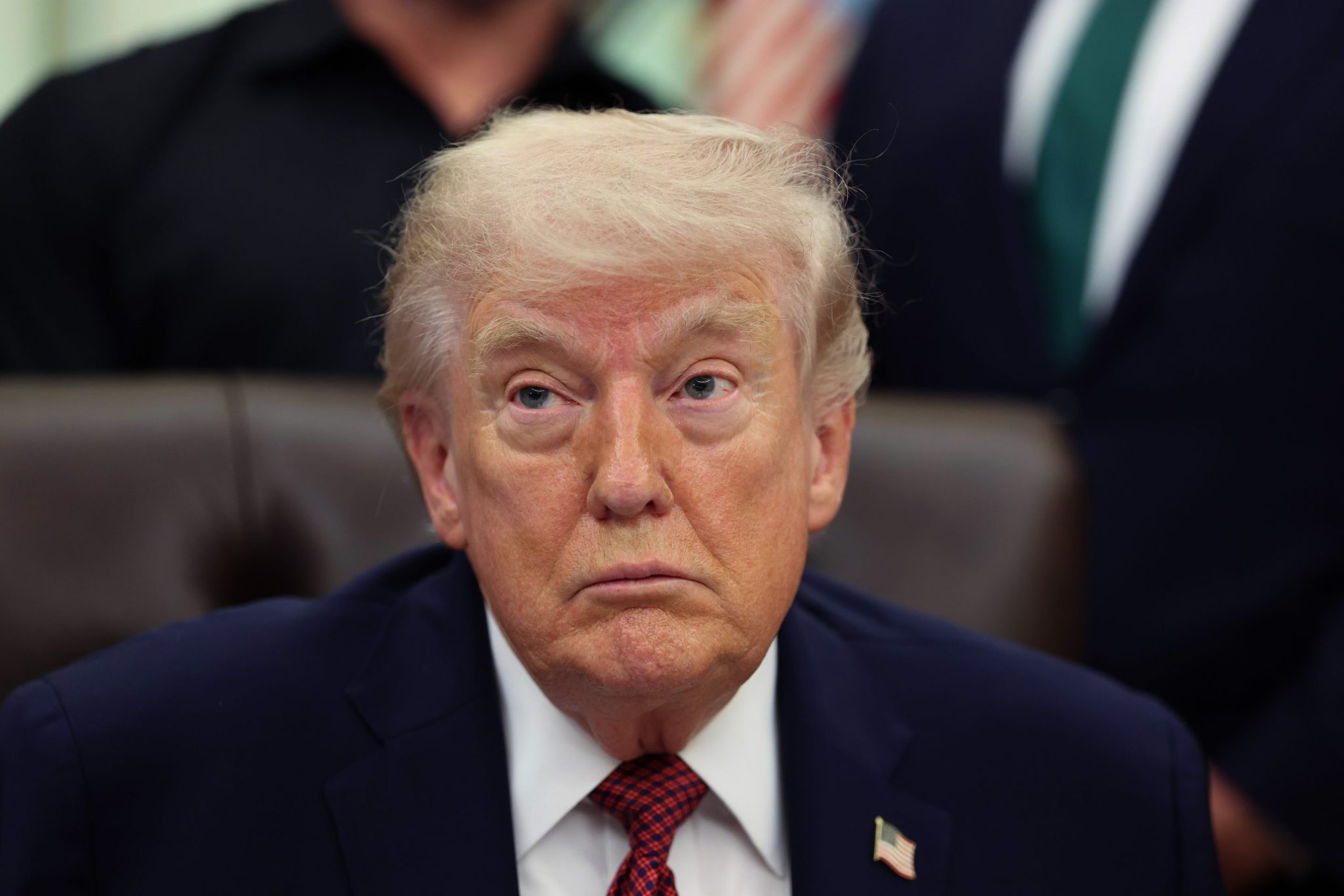
President Donald Trump is facing criticism from within his own administration as a major deadline for peace talks with Iran approaches. Anonymous officials claim that the President’s frequent social media posts are making it harder to reach a deal and are confusing international partners. While the White House defends these actions as a clever negotiating tactic, critics argue that the lack of message control is creating unnecessary risks for global security and the economy.
Main Impact
The primary impact of this situation is the growing gap between official U.S. diplomacy and the President’s public statements. As the Wednesday deadline for a ceasefire between the U.S., Israel, and Iran nears, these mixed messages have caused confusion. Internal leakers suggest that the President is ignoring the advice of his experts, which has led to a breakdown in trust during sensitive talks. This internal friction is also spilling over into the financial world, where energy markets are reacting wildly to every new post on Truth Social.
Key Details
What Happened
In recent days, President Trump has used his social media platform to share details about ongoing negotiations that were meant to stay private. On a Friday phone call with reporters, he claimed that Iran had agreed to stop its nuclear program completely. However, Iran’s government quickly denied this, stating that no such agreement had been made. Following this, the President posted a long message on Truth Social—over 900 words—comparing the current conflict to past wars and discussing the economic damage caused by U.S. military actions.
Important Numbers and Facts
The impact of these statements is visible in several data points:
- Market Volatility: Oil and gas prices have seen a 300% increase in volatility since the conflict began, largely driven by the President's social media activity.
- Public Opinion: A recent Reuters/Ipsos poll shows that only 36% of Americans approve of military strikes against Iran.
- Internal Concerns: 51% of Americans, including 14% of Republicans, believe the President’s mental sharpness has declined over the last year.
- The Deadline: A two-week ceasefire is set to expire this Wednesday, putting pressure on all sides to reach a permanent agreement.
Background and Context
This situation feels very familiar to those who followed Trump’s first term in 2016. Back then, staff members frequently leaked information to the press, claiming the President was difficult to manage and often acted on impulse. Political experts note that the same pattern is returning. Even though many of his current staff members were chosen for their loyalty, they are now speaking to reporters anonymously. They seem worried that the President’s habit of speaking freely online is undermining the hard work of his diplomats and military advisors.
Public or Industry Reaction
The reaction to the President’s style has been mixed. White House Press Secretary Karoline Leavitt defended the President, calling his critics "stupid" and stating that he is playing a "long game" that others do not understand. On the other hand, Iranian officials have reacted poorly. Mohammad Bagher Ghalibaf, a leader in Iran’s parliament, stated that his country will not negotiate while being threatened. Meanwhile, professional investors have become so focused on the President’s posts that some now keep a dedicated computer screen just to watch his social media feed for news that might change oil prices.
What This Means Going Forward
The next few days are critical. If a deal is not reached by the Wednesday deadline, the ceasefire could end, leading to more fighting. President Trump has already stated that he is not in a hurry to extend the ceasefire. In a recent interview, he even mentioned that he might prefer to resume bombing because he believes it gives him a stronger position in negotiations. This "tough" stance carries high risks, as it could lead to a larger war that most of the American public does not support.
Final Take
The tension between the President’s public persona and his administration’s private goals has reached a breaking point. While his supporters see his social media posts as a powerful tool for pressure, his own advisors fear they are a self-inflicted wound. Whether this "negotiation by social media" leads to a historic peace deal or a return to active war will be decided in the coming hours. The world is watching, and the stakes for the global economy and international peace could not be higher.
Frequently Asked Questions
Why are Trump’s social media posts a problem for peace talks?
Advisors say the posts reveal private details and make threats that cause the other side to lose trust, making it harder for diplomats to reach a formal agreement.
How has the oil market reacted to the President's posts?
Energy markets have become very unstable. Prices often jump or drop suddenly based on what the President says about the war or negotiations on Truth Social.
What happens if no deal is reached by Wednesday?
The current ceasefire could end, and the President has suggested that the U.S. might resume military strikes against Iran if an agreement is not signed.



