Summary
President Donald Trump has officially extended the ceasefire between the United States and Iran. This announcement came on Tuesday night, just a few hours before the previous agreement was set to expire. The decision was made to give Iran more time to create a single, unified proposal for peace negotiations. While the fighting has stopped for now, the U.S. will continue its naval blockade in the Strait of Hormuz to maintain pressure on the Iranian government.
Main Impact
The most immediate effect of this decision is the prevention of a major military escalation in the Middle East. By extending the ceasefire, both nations avoid a direct return to active combat. However, the situation remains very tense because the U.S. is not backing down on its economic pressure. The ongoing naval blockade means that Iran still cannot move goods or oil freely through one of the world's most important water routes. This keeps the Iranian economy in a difficult position while leaders try to agree on a path forward.
Key Details
What Happened
President Trump waited until the final moments of the existing 14-day ceasefire to share his update. He explained that the delay in peace talks is due to disagreements within the Iranian government. According to the U.S. administration, different groups in Iran have different ideas about how to handle the conflict. Trump stated that the ceasefire will remain in place until Iran can present one clear plan that everyone in their government supports. The goal is to finish the negotiations "one way or another" once that proposal is received.
Important Numbers and Facts
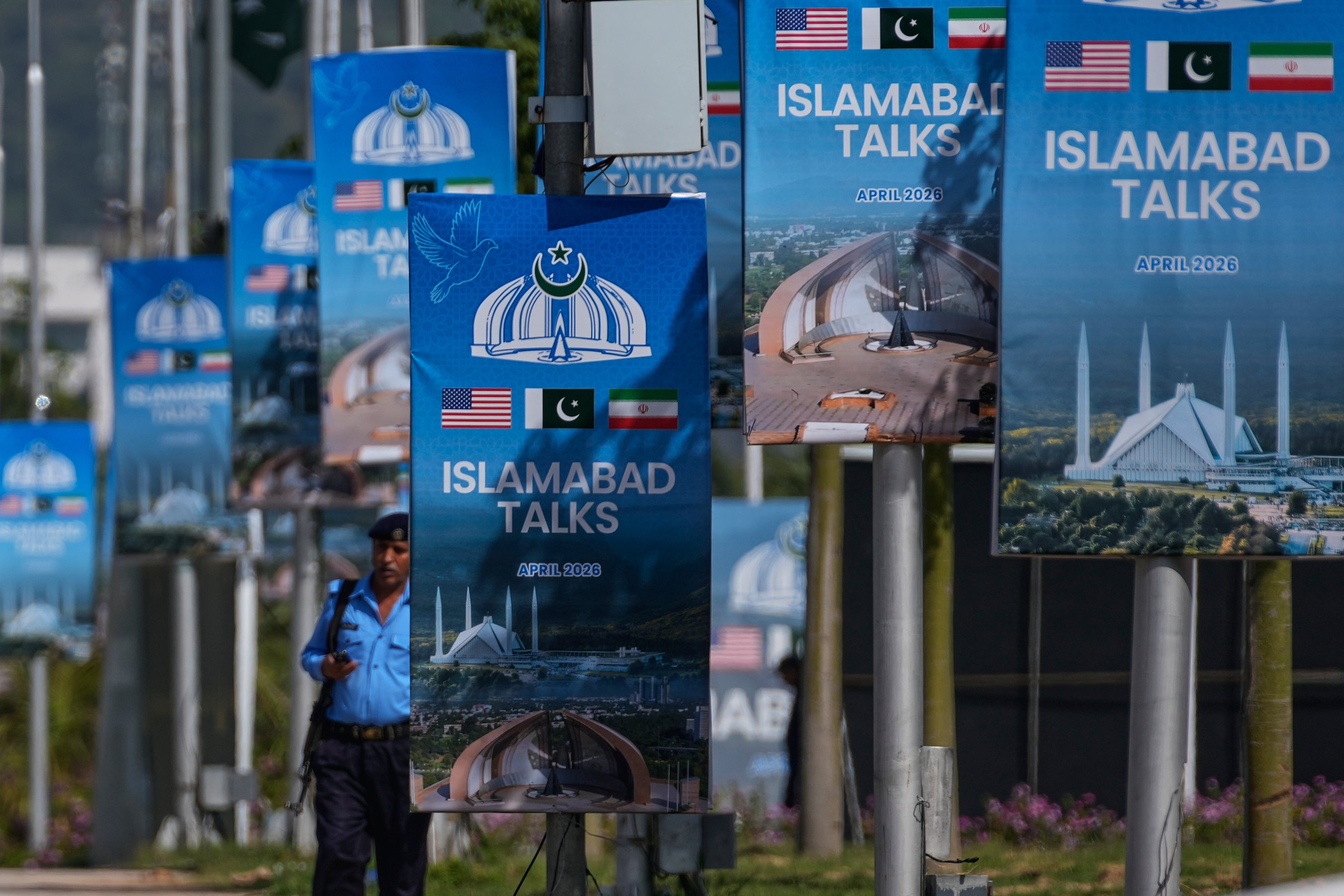
The announcement was made around 10:00 PM Spanish time on April 21, 2026. This follows a 14-day period of relative calm that began with the first ceasefire agreement. Pakistan is currently serving as the host country for these talks. Delegations from both the United States and Iran are expected to meet there to discuss the final terms of a long-term peace deal. Despite the pause in shooting, the U.S. Navy continues to patrol the Strait of Hormuz, ensuring no unauthorized ships pass through the area.
Background and Context
To understand why this matters, it is important to know about the Strait of Hormuz. This narrow stretch of water is a vital path for global trade. A large portion of the world's oil supply travels through this area every day. When there is a conflict here, oil prices usually go up, which can make everything from gas to groceries more expensive for people all over the world. The U.S. and Iran have had a long history of tension, but recent events brought them to the edge of a full-scale war. Pakistan has stepped in as a mediator because it has a unique relationship with both Western powers and its neighbors in the Middle East.
Public or Industry Reaction
Global markets have reacted with a mix of relief and caution. Investors are glad that a larger war has been avoided for another few days, but they are worried about the "one way or another" comment made by the President. This phrase suggests that if talks fail, military action could start again very quickly. Within Iran, reports suggest there is a struggle between leaders who want to end the sanctions and those who want to remain firm against the U.S. demands. International leaders have praised the decision to keep talking, as they hope for a peaceful end to the standoff.
What This Means Going Forward
The next few days will be critical for the future of the region. All eyes are now on the Iranian capital to see if they can produce the unified proposal that Trump has demanded. If the Iranian government can agree on a single set of terms, the teams in Pakistan can begin the final stage of negotiations. If they remain divided, the U.S. may decide to end the ceasefire and return to military operations. The naval blockade will stay in place regardless of the talks, serving as a constant reminder of the power the U.S. holds over Iran's trade routes.
Final Take
This extension is a temporary fix for a very deep problem. While it prevents immediate bloodshed, it does not solve the underlying issues between the two nations. The world is now waiting to see if diplomacy can win over force. The pressure is entirely on Iran to show that it is ready to negotiate seriously. Until a final deal is signed, the threat of war continues to hang over the Middle East, and the global economy remains on edge.
Frequently Asked Questions
Why did Trump extend the ceasefire?
The ceasefire was extended because Iran has not yet presented a single, unified proposal for peace. The U.S. wants to give them time to resolve internal disagreements so that negotiations can be finalized.
Is the war over?
No, the war is not officially over. This is a temporary pause in fighting. The U.S. is still maintaining a naval blockade, and military action could resume if the peace talks do not succeed.
What is the Strait of Hormuz?
The Strait of Hormuz is a very important waterway where much of the world's oil is shipped. The U.S. is currently blocking this area to put economic pressure on Iran during the negotiations.