Summary
Donald Trump’s return to the White House in early 2025 was initially seen as a major victory for far-right parties across Europe. These political groups hoped his support would help them gain more power and influence in their own countries. However, over the past year, Trump’s aggressive policies have started to hurt European interests. This shift has turned him from a helpful ally into a political problem for his former friends in Europe.
Main Impact
The biggest change is that European nationalist leaders can no longer easily defend Trump’s actions to their own voters. His "America First" agenda often puts high taxes on European products and threatens the safety of the continent. For parties that claim to put their own nation first, supporting a foreign leader who hurts their country is a very difficult position. This is causing a deep split between the American government and the European right wing.
Key Details
What Happened
When Trump took office again, he quickly moved to change how the United States interacts with the rest of the world. He introduced new trade rules that made it much more expensive for European companies to sell their goods in America. He also questioned the value of military alliances that have protected Europe for decades. While far-right leaders in Europe like the idea of strong borders, they do not like the economic pain and security risks that come with Trump’s latest decisions.
Important Numbers and Facts
In 2025, the U.S. government began discussing a 10% to 20% tax on all imported goods. This plan hit European car makers and farmers especially hard, leading to fears of a massive trade war. Additionally, the U.S. has signaled a desire to reduce its financial and military role in European defense. This has forced European countries to find billions of euros in their budgets to pay for their own militaries much faster than they expected.
Background and Context
For many years, the European far-right used Donald Trump as a symbol of success. They argued that his 2016 win proved that regular people were tired of traditional politics. Leaders in countries like France, Italy, and Hungary used his image to show they were part of a winning global movement. They shared his views on immigration and his dislike for international organizations. However, being part of a global movement is difficult when the leader of that movement only cares about his own country’s gain at the expense of others.
Public or Industry Reaction
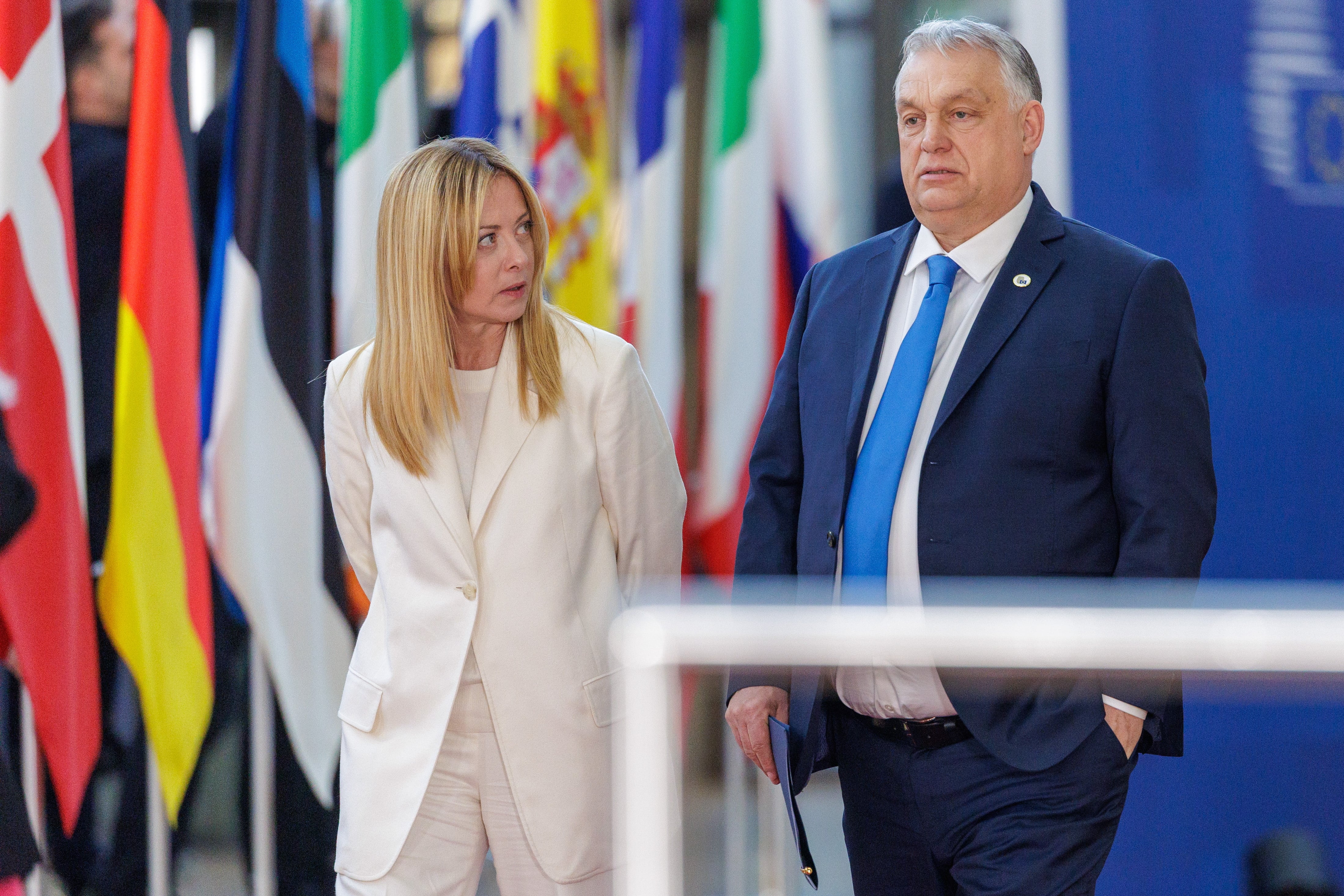
The reaction among European leaders has been mixed but mostly cautious. Some leaders, like Viktor Orbán of Hungary, still try to stay close to Trump to show they have a powerful friend. Others, like Marine Le Pen in France or Giorgia Meloni in Italy, have become much more quiet about their support. They are trying to show they are responsible leaders who care about the stability of Europe. They worry that being too close to Trump will scare away moderate voters who are needed to win upcoming elections.
What This Means Going Forward
The European far-right may try to create its own path without relying on support from Washington. We are seeing a move toward what some call "European sovereignty." This means these parties want Europe to be strong on its own, without depending on the U.S. for trade or protection. The relationship between Trump and European nationalists will likely stay cold as long as his policies continue to put pressure on European economies. This could lead to a more divided Western world where even groups with similar ideas cannot get along.
Final Take
Trump was once the hero of the European far-right, but his second term has shown that national interests often clash. A leader who puts "America First" will eventually run into trouble with those who put their own European countries first. The era of a united global movement led by the U.S. presidency seems to be ending as local needs take priority over shared political styles.
Frequently Asked Questions
Why is Trump considered "toxic" for European far-right parties?
He is considered toxic because his policies, such as trade taxes and pulling back from military support, directly hurt the economies and safety of European countries. This makes it hard for local leaders to support him without looking like they are hurting their own people.
Which European leaders are distancing themselves from Trump?
Leaders in France and Italy have become more careful. They want to appear as stable and responsible national leaders rather than just followers of a controversial American president.
How do Trump's trade policies affect Europe?
Trump’s trade policies include high taxes on goods coming into the U.S. This makes European products more expensive for Americans to buy, which hurts European businesses, factories, and workers.