
Summary
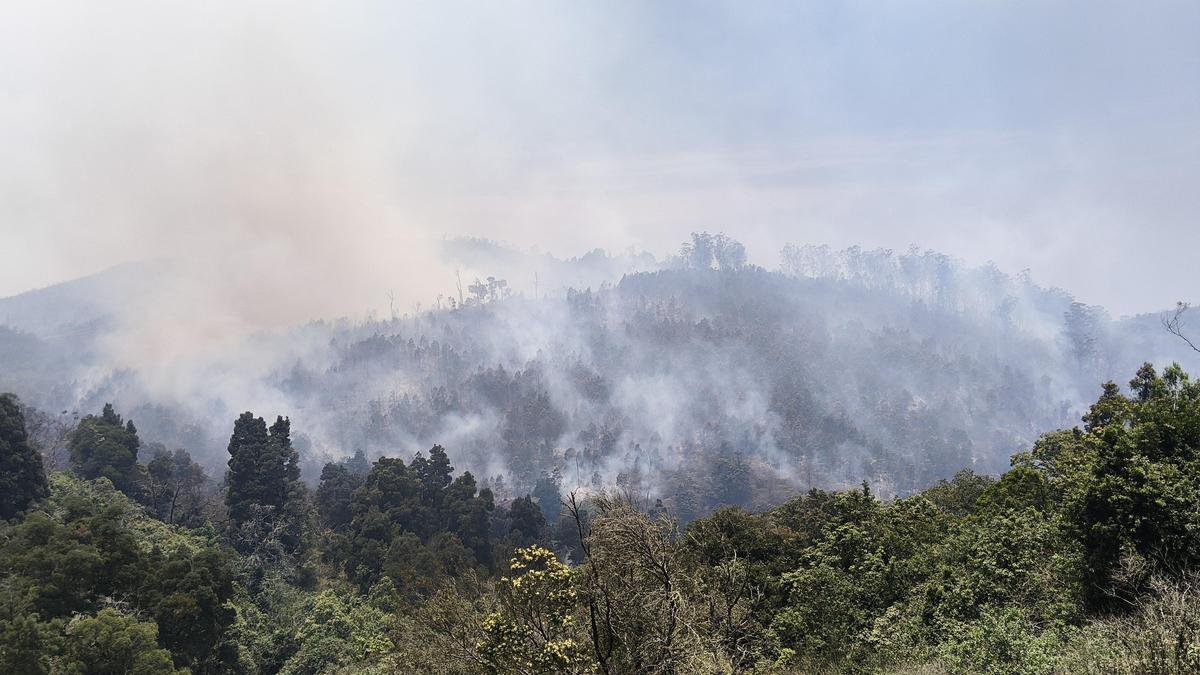
A massive forest fire has destroyed more than 100 hectares of land in the Nilgiris district. The fire broke out in a sensitive ecological zone and spread quickly due to dry weather and strong winds. Emergency teams, including forest officials and local volunteers, have been working around the clock to bring the flames under control. This event has caused significant damage to the local environment and has raised concerns about the safety of wildlife in the region.
Main Impact
The primary impact of this fire is the loss of a large area of natural forest. Over 100 hectares of trees, shrubs, and grass have been turned to ash. This loss affects the entire local environment because the forest provides a home for many different animals and plants. When a forest burns, the soil also suffers, making it harder for new plants to grow in the future. Additionally, the thick smoke from the fire has moved into nearby residential areas, causing breathing difficulties for people living close to the forest borders.
Key Details
What Happened
The fire started in a remote part of the hills where the grass was very dry. Because the area has not seen much rain lately, the fire moved very fast. The wind helped the flames jump across paths and clearings, making it hard for firefighters to stop the spread. The ground in this part of the Nilgiris is very steep and rocky, which made it difficult for fire trucks to reach the spot. Most of the work had to be done by hand, with workers using branches and special tools to beat back the flames.
Important Numbers and Facts
The fire has affected more than 100 hectares of land, which is roughly the size of 250 football fields. More than 60 forest department staff members and dozens of volunteers were sent to fight the fire. Temperatures in the region have been 3 to 5 degrees higher than normal, which created the perfect conditions for a fire to start. The operation to stop the fire lasted for over 48 hours before the main flames were finally put out.
Background and Context
The Nilgiris is a mountain range in southern India known for its beautiful green hills and diverse wildlife. It is part of a protected area that is home to rare animals like the Nilgiri Tahr, tigers, and elephants. Every year, the region faces a dry season where the risk of fire increases. However, this year has been especially dry. When there is no rain, the grass turns into fuel that can catch fire from a single spark. These sparks can come from natural causes, like lightning, or from human activities, such as discarded cigarettes or small campfires that were not put out properly.
Public or Industry Reaction
Local residents are very worried about the recurring fires in their area. Many have called for better monitoring of the forest during the dry months. Environmental groups have expressed sadness over the loss of biodiversity. They point out that while some plants can grow back, the animals that lost their homes might struggle to survive. Experts are also asking the government to provide more modern equipment to the forest department, such as drones to spot fires early and better protective gear for the workers who have to fight the flames on foot.
What This Means Going Forward
In the coming weeks, forest officials will likely keep a close watch on the burned area to make sure no hidden embers start a new fire. There will also be an investigation to find out exactly how the fire started. To prevent this from happening again, the government may close certain forest paths to tourists during the hottest months. Long-term plans will include planting native trees to help the forest recover. This event shows that as the weather gets hotter and drier, the methods used to protect our forests must become more advanced and proactive.
Final Take
The destruction of 100 hectares in the Nilgiris is a serious blow to the region's natural beauty and health. It serves as a clear warning that we must take better care of our green spaces. Protecting these forests is not just about saving trees; it is about protecting the air we breathe and the animals that share the planet with us. Faster response times and better community awareness will be key to preventing such large-scale disasters in the future.
Frequently Asked Questions
How much forest was lost in the Nilgiris fire?
More than 100 hectares of forest land were destroyed by the flames, causing significant damage to the local plant life and animal habitats.
What caused the fire to spread so quickly?
The fire spread fast because of very dry grass, high temperatures, and strong winds that carried the flames across the steep terrain.
Are the animals in the area safe?
While many larger animals can move away from the heat, smaller animals and insects often lose their lives. The loss of the forest also means many animals have lost their food sources and homes.



