
Summary
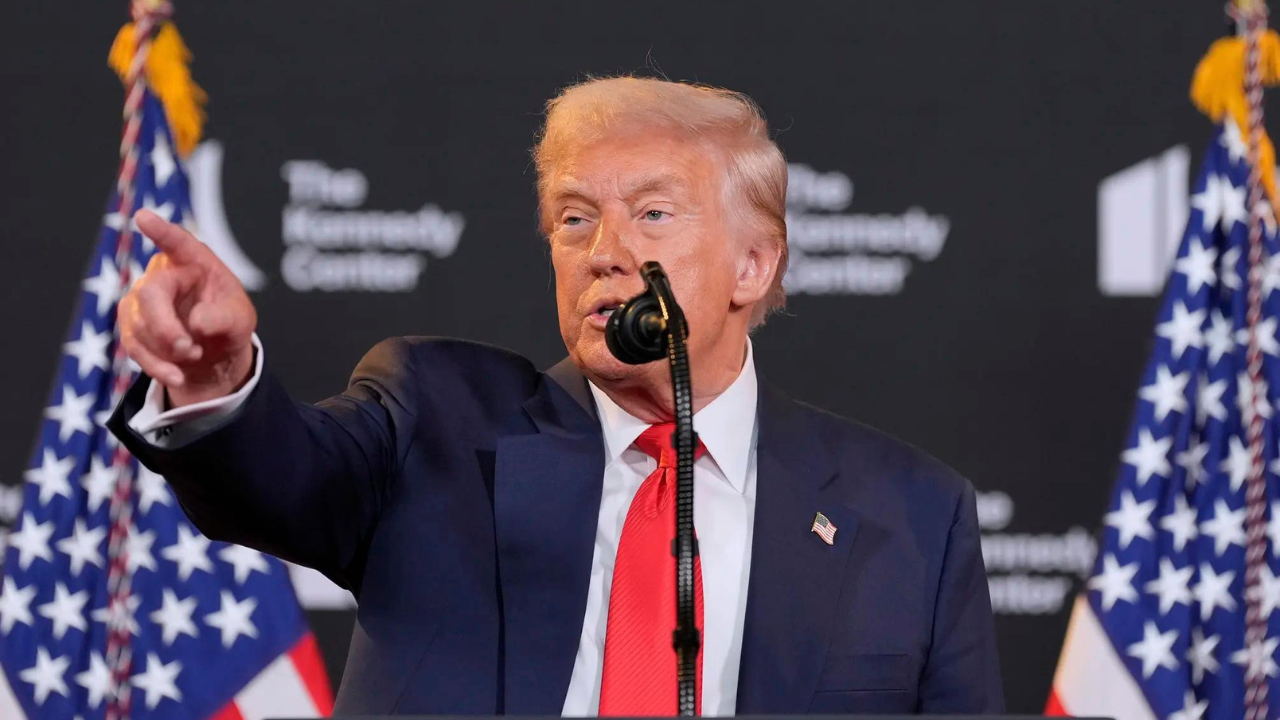
Donald Trump has issued a direct warning to China regarding its reported military support for Iran. He stated that China would face "big problems" if it continues to send weapons to the Middle Eastern nation. Trump also claimed that the United States has already weakened Iran’s military power and now holds firm control over vital global shipping routes. These comments come at a time when international leaders are trying to find a peaceful solution through talks mediated by Pakistan.
Main Impact
The primary impact of this statement is an increase in tension between the United States and China. By threatening China with "big problems," the U.S. is signaling that it will not tolerate foreign interference in its efforts to manage Iran. This could lead to new trade restrictions or diplomatic fights between Washington and Beijing. Furthermore, the claim of U.S. military dominance over shipping routes suggests that the U.S. is ready to use its navy to protect trade paths that are essential for the global economy.
Key Details
What Happened
During a recent address, Donald Trump focused on the flow of weapons into Iran. He specifically pointed to reports suggesting that China has been helping Iran rebuild its military strength. Trump made it clear that the U.S. views these shipments as a threat to regional peace. He argued that the U.S. military has already done the hard work of dismantling Iran's main defense capabilities. Even though peace talks are currently happening, Trump expressed that the U.S. has already achieved its goals regardless of whether a final deal is signed.
Important Numbers and Facts
The situation involves several key factors that affect the global stage. First, the shipping routes mentioned include the Strait of Hormuz, where a large portion of the world's oil passes every day. Second, Pakistan has stepped in as a middleman to help the U.S. and Iran talk to each other. While no specific dollar amounts for the "big problems" were mentioned, past actions suggest this could mean heavy taxes on Chinese goods or blocking Chinese companies from doing business in the U.S. The U.S. maintains a massive naval presence in the region to back up these claims of control.
Background and Context
To understand why this matters, it is important to look at the history between these countries. The U.S. and Iran have had a difficult relationship for many years, mostly over Iran's nuclear program and its influence in the Middle East. The U.S. has used sanctions, which are rules that stop people from trading with a country, to try and change Iran's behavior. China, however, is a major buyer of Iranian oil and often disagrees with U.S. sanctions. China sees Iran as a partner in its plan to grow its influence across Asia. When China sends weapons or technology to Iran, it makes the U.S. sanctions less effective. This is why the U.S. is now focusing its pressure on Beijing.
Public or Industry Reaction
Global markets are watching these developments closely. Oil prices often go up when there is talk of trouble in shipping routes because investors fear that supply will be cut off. Many political experts believe that Trump’s words are meant to show strength before any final peace deal is reached. Some leaders in the shipping industry have expressed concern that increased military talk could make it more expensive to insure ships traveling through the Middle East. Meanwhile, China has often stated that it has the right to trade with any country it chooses and usually views such warnings as an attack on its own rights.
What This Means Going Forward
In the coming months, the world will see if China changes its trade habits with Iran. If weapons shipments continue, the U.S. might follow through with its threat of "big problems." This could mean a new trade war that affects the prices of everyday items. The peace talks mediated by Pakistan are also at a critical point. If the U.S. feels it has already won, it may not be willing to give up much during negotiations. Security in the oceans will remain a top priority, as the U.S. Navy continues to patrol the waters to ensure that goods can move freely without interference from Iran or its allies.
Final Take
The warning to China marks a bold step in U.S. foreign policy. By linking Chinese trade to Iranian military power, the U.S. is trying to force the world's second-largest economy to pick a side. While the U.S. claims it has already secured a military victory, the real test will be whether these threats can stop the flow of weapons and bring lasting peace to a restless part of the world. The balance of power in global shipping and trade remains the most important factor in this ongoing struggle.
Frequently Asked Questions
Why is the U.S. warning China about Iran?
The U.S. believes that China is sending weapons to Iran, which helps Iran's military. The U.S. wants to stop this to keep Iran weak and maintain peace in the region.
What are the "shipping routes" mentioned in the news?
These are sea paths, like the Strait of Hormuz, where ships carry oil and goods. The U.S. wants to make sure these paths stay open so the global economy does not suffer.
What role is Pakistan playing in this situation?
Pakistan is acting as a mediator. This means they are helping the U.S. and Iran communicate to see if they can reach a peaceful agreement through talking instead of fighting.

