
Summary
Trek, a major bicycle company, has spent more than $300,000 to help close the pay gap between male and female cyclists. Between 2021 and 2025, the company stepped in to pay women the difference when race organizers offered them smaller prizes than men. CEO John Burke says the goal is to make these extra payments unnecessary by forcing the cycling world to adopt equal pay. This effort has already led to many races changing their rules to offer fair prize money for all winners.
Main Impact
The biggest impact of Trek’s investment is the pressure it puts on race organizers. By publicly writing checks to cover the missing prize money, Trek highlighted how unfair the old system was. This move embarrassed many organizations into changing their ways. As a result, the amount of money Trek has to pay out is actually going down. This is because more races are now choosing to offer equal prize money from the start. The company’s actions have started a shift across the entire cycling industry, showing that women’s sports deserve the same financial respect as men’s sports.
Key Details
What Happened
Trek decided to take action after seeing the massive difference in how male and female athletes were rewarded. At some of the most famous races in the world, women were winning only a tiny fraction of what men received. Trek began "topping off" the prize purses, meaning they paid the winners the extra money needed to match the men's prize. This was not just a one-time donation but a multi-year commitment to support female athletes.
Important Numbers and Facts
From 2021 to 2025, Trek paid out approximately $308,000 (about €263,000) to female cyclists. One of the most shocking examples happened at the 2021 Paris-Roubaix Femmes race. The woman who won that race was originally set to receive only €1,535. In contrast, the winner of the men’s race received €30,000. Trek covered the massive gap to ensure the female champion was paid fairly for her hard work and skill. Since then, the company has continued this practice at various other professional races.
Background and Context
The idea for this program started around 2017. Trek’s Chief Financial Officer, Chad Brown, visited several women’s races in Europe and was shocked by what he saw. He reported back to CEO John Burke that the conditions for women were very poor. Many female professional cyclists were making less than $10,000 a year. They were often given used bikes, stayed in low-quality hotels, and had very little support compared to men. Burke decided that Trek needed to lead by example. When they could not find a women's team to buy, they started their own from scratch. They promised to give women the same high-quality equipment, coaching, and wages that the men’s team received.
Public or Industry Reaction
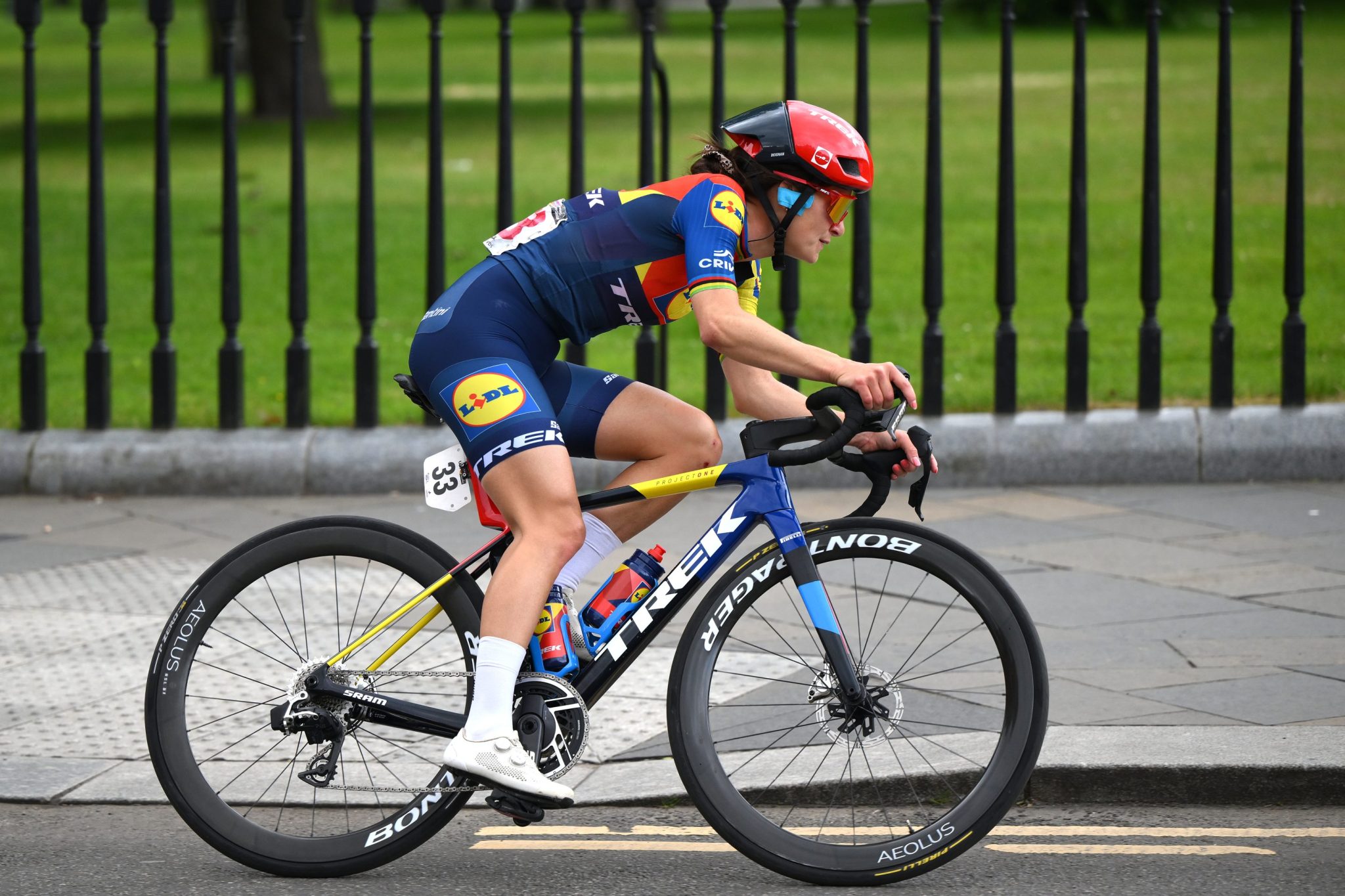
The reaction from the cycling community has been very positive. Professional cyclists like Lizzie Deignan have praised Trek for their real support. Deignan joined the team while she was pregnant, a time when many athletes fear for their careers. She noted that Trek did not just use her for a marketing story but gave her a real chance to succeed at the highest level. Within the company, the initiative also built a lot of excitement. Trek even gave bonuses to its employees when the women’s team won races. This created a strong fan base inside the company and made everyone feel invested in the success of the female riders. Other teams in the industry have also started to follow Trek’s lead by improving their own programs for women.
What This Means Going Forward
While progress has been made, there is still work to do. Prize money is only one part of the problem. Women’s cycling still struggles with getting enough television coverage and finding large sponsors. For example, even major races sometimes only show the last half of the women's event on TV. This makes it harder for fans to follow the sport and for teams to attract money. However, the introduction of a minimum wage for women cyclists in recent years has been a big step. It allows more women to train full-time instead of working a second job. Trek plans to keep pushing for these changes until the "top-off" checks are no longer needed because the system has become fair on its own.
Final Take
Trek’s decision to spend hundreds of thousands of dollars on prize money was about more than just a bank transfer. It was about setting a standard for how a professional sport should operate. By choosing to do the right thing rather than focusing only on short-term profits, the company has helped change the future of cycling. Their long-term view shows that when a business stands for a clear purpose, it can influence an entire industry to become better and more fair for everyone involved.
Frequently Asked Questions
How much did Trek spend on women's prize money?
Trek spent about $308,000 between 2021 and 2025 to make sure women winners received the same amount of money as men winners at major races.
Why did Trek start its own women's cycling team?
The company wanted to ensure female athletes had access to the same quality of equipment, coaching, and fair wages as men, which was not common in the industry at the time.
Is the pay gap in cycling fully closed now?
No, while prize money is becoming more equal at many races, gaps still exist in areas like media coverage, total salaries, and sponsorship deals.



