
Summary
A recent fireworks accident in Thrissur, Kerala, has sparked a serious debate about public safety and the enforcement of law. Experts and safety officials believe the incident could have been avoided if existing safety guidelines were strictly followed. These rules were created after previous tragedies to ensure that large public events do not turn into disasters. The focus remains on why these life-saving measures are often ignored during major festivals.
Main Impact
The primary impact of this accident is a renewed demand for accountability among local authorities and festival organizers. When safety rules are bypassed, the lives of thousands of spectators are put at risk. This incident shows that having laws on paper is not enough; there must be active monitoring and real-world application of safety protocols. The failure to implement these measures has led to injuries and property damage that were entirely preventable.
Key Details
What Happened
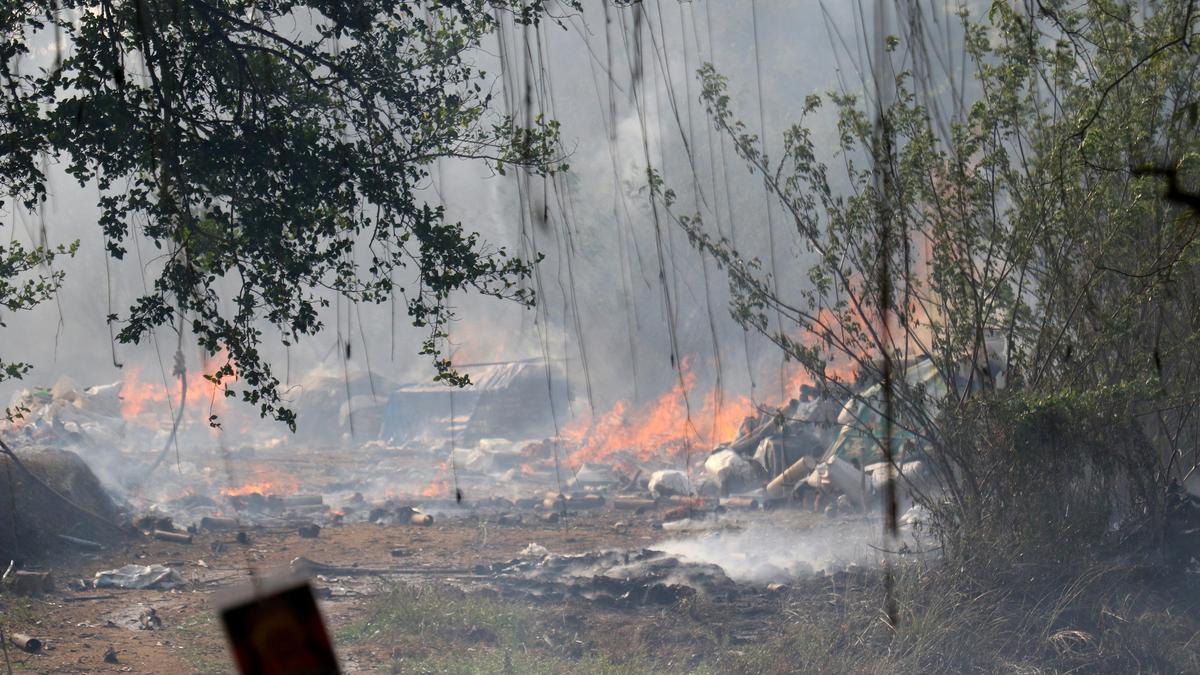
During a major festival in Thrissur, a fireworks display led to an unexpected accident. While the specific cause is often linked to technical failures or human error, experts point to a much larger systemic problem. They argue that the lack of a proper risk assessment before the event allowed dangerous conditions to exist. If officials had checked the site and the materials used more carefully, the hazards could have been identified and fixed before the first firework was lit.
Important Numbers and Facts
The P.S. Gopinathan Commission, which was formed to investigate the 2016 Puttingal temple tragedy, provided a clear roadmap for safety. One of the most important rules is the "15-day requirement." This rule states that the District Disaster Management Authority (DDMA) must conduct a full risk assessment at least a fortnight before any major fireworks event. This timeframe is meant to give officials enough time to spot problems and force organizers to make changes. Additionally, the commission suggested that emergency medical teams and fire units must be stationed at specific points, a step that is often handled poorly in the rush of festival planning.
Background and Context
Fireworks are a deeply rooted part of cultural and religious festivals in Kerala. However, this tradition has a history of dangerous accidents. The most notable was the Puttingal Devi Temple disaster in 2016, which resulted in over 100 deaths and hundreds of injuries. Following that event, the government appointed the P.S. Gopinathan Commission to study what went wrong and how to prevent it from happening again. The commission found that most accidents happen because of poor storage, using banned chemicals, and letting crowds get too close to the launch site. Despite these clear findings, many of the suggested safety steps are still not fully used in events like the one in Thrissur.
Public or Industry Reaction
Safety experts and activists are expressing frustration over the repeated neglect of these guidelines. Many argue that the District Disaster Management Authority often lacks the staff or the will to challenge powerful festival committees. On the other hand, some organizers feel that the rules are too strict and difficult to follow within the short time they have to prepare. However, the general public is becoming more vocal about their safety. People are starting to realize that tradition should not come at the cost of human life. There is a growing call for the government to move beyond just giving warnings and start taking legal action against those who ignore safety protocols.
What This Means Going Forward
Moving forward, there will likely be more pressure on the state government to make the Gopinathan Commission’s recommendations mandatory by law. This would mean that no festival could get a permit unless they prove they have met every safety standard weeks in advance. We might also see a shift toward using "green" fireworks or digital displays that carry less risk of explosion. The role of the DDMA will need to be strengthened, giving them more power to stop an event if safety conditions are not met. Education for workers who handle fireworks is also a critical next step to reduce human error.
Final Take
Safety is not a choice; it is a necessity. The accident in Thrissur serves as a loud warning that ignoring expert advice leads to tragedy. While festivals are a time of joy, they must be managed with a professional focus on disaster prevention. Following the 15-day risk assessment rule is a simple step that can save lives. It is time for authorities to stop treating safety guidelines as suggestions and start treating them as life-saving laws that must be followed every single time.
Frequently Asked Questions
What is the Gopinathan Commission?
It is a group formed by the government to investigate the Puttingal fireworks tragedy and suggest ways to make public events safer in Kerala.
Why is the 15-day rule important?
It requires a safety check two weeks before an event, giving authorities enough time to find and fix hazards before the public arrives.
Who is responsible for fireworks safety?
The responsibility is shared between the festival organizers, the local police, and the District Disaster Management Authority (DDMA).



