Summary
The Telugu Desam Party (TDP) has publicly criticized the Congress party regarding two major political changes in India. These changes involve a plan to reserve 33% of political seats for women and a proposal to increase the total number of seats in the Lok Sabha by 50%. TDP leaders argue that these two actions must happen at the same time to ensure fairness. They believe that doing one without the other could hurt the political power of southern states.
Main Impact
The main issue here is how power is shared between the central government and the states. If the number of seats in parliament increases based only on population, states in the south might lose their influence. This is because southern states have been more successful at controlling population growth compared to northern states. By linking the women’s quota to the seat expansion, the TDP hopes to protect the voice of the south while still supporting more women in politics.
Key Details
What Happened
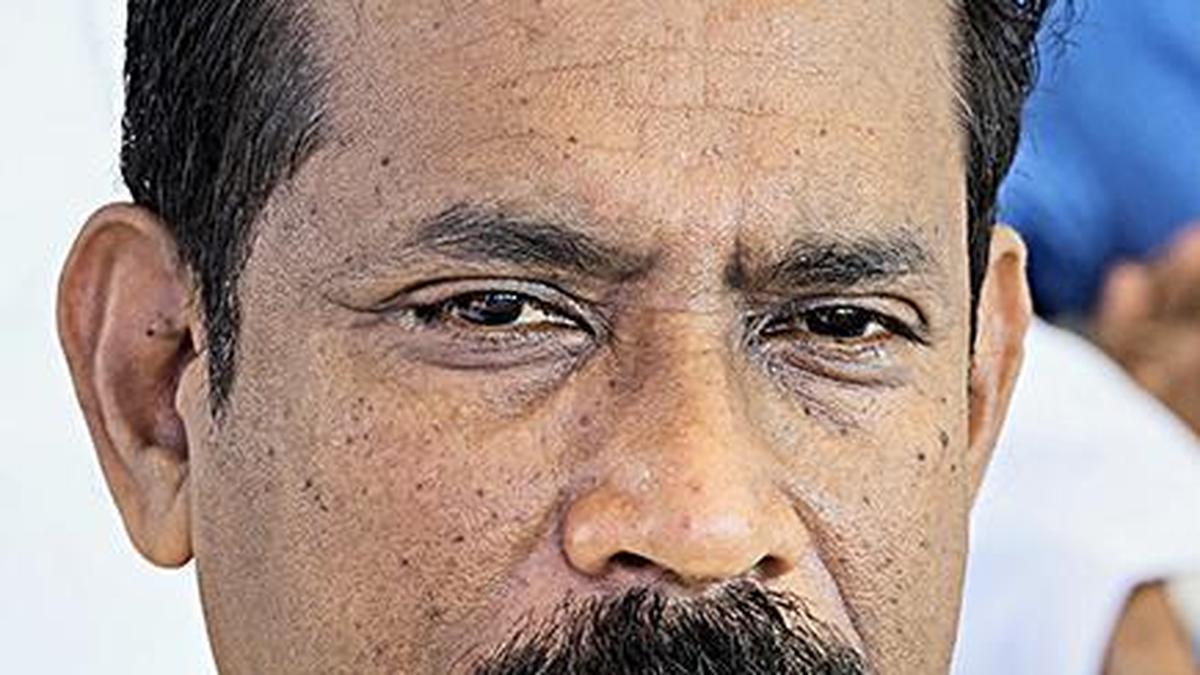
Palla Srinivasa Rao, a senior leader and the TDP State President, recently spoke out against the Congress party’s approach to these bills. He stated that the Congress party is not looking at the full picture. He argued that the 33% reservation for women is a necessary step for equality, but it cannot be separated from the discussion about how many seats each state gets in the Lok Sabha. The TDP believes that the Congress party is ignoring the concerns of people in the south to gain political points elsewhere.
Important Numbers and Facts
The current proposal suggests a 33% reservation for women in the Lok Sabha and state assemblies. Along with this, there is a plan to expand the Lok Sabha by 50%, which would significantly increase the total number of Members of Parliament (MPs). Currently, the number of seats is based on old population data. A new process, often called delimitation, will redraw these boundaries based on more recent population figures. The TDP is worried that this will lead to a massive increase in seats for northern states while southern states stay the same or grow very little.
Background and Context
To understand why this is a big deal, we have to look at how India decides how many MPs each state has. Usually, states with more people get more seats. Over the last few decades, southern states like Andhra Pradesh, Telangana, Tamil Nadu, and Kerala have worked hard on healthcare and family planning. This led to slower population growth. Meanwhile, many northern states have seen their populations grow much faster. If the government adds seats based only on the number of people, the northern states will gain a huge advantage in parliament. This could mean that the needs and voices of the south are ignored when making national laws.
Public or Industry Reaction
The reaction to this statement has been strong among regional political groups. Many leaders in South India agree with the TDP’s concerns. They feel that states should not be punished for being successful at population control. On the other hand, some supporters of the Congress party argue that the women’s quota should be passed as quickly as possible without adding more conditions. They believe that waiting to link it with seat expansion will only delay progress for women in leadership roles. This has created a divide between those who want fast social change and those who want to protect regional political balance.
What This Means Going Forward
Going forward, the central government faces a difficult task. They must find a way to implement the women’s reservation bill while also addressing the fears of the southern states. If they move forward with seat expansion based strictly on population, it could lead to protests and a sense of unfairness in the south. The next few years will likely see intense debates about how to redraw voting boundaries. There may be calls for a new formula that rewards states for good governance and population control, rather than just counting heads.
Final Take
The debate over women’s quotas and seat expansion is about more than just numbers. It is about making sure every part of the country feels represented and respected. While increasing the number of women in politics is a vital goal, it should not come at the cost of regional balance. A fair solution will require careful planning and a willingness to listen to the concerns of all states, regardless of their population size.
Frequently Asked Questions
What is the 33% women’s quota?
This is a plan to reserve one-third of the seats in the Lok Sabha and state legislative assemblies for women. The goal is to increase the number of women who participate in making laws for the country.
Why are southern states worried about seat expansion?
Southern states have controlled their population growth better than northern states. If seats are added based only on population, northern states will get many more seats, giving them more power to control national decisions.
What is the TDP’s main demand?
The TDP wants the women’s reservation and the expansion of parliamentary seats to be handled together. They believe this is the only way to protect the political rights of states that have successfully managed their population growth.