
Summary
The United States government recently promised a massive economic boost through record-breaking tax refunds. While the checks arriving in mailboxes are indeed larger than last year, a sudden conflict with Iran has caused oil prices to jump. Experts now warn that the extra money families received from the government is being completely swallowed up by higher costs at the gas pump. This situation has turned a major financial win for citizens into a break-even event, or even a loss for some.
Main Impact
Wall Street analysts have delivered a disappointing report on the state of the American wallet. Major banks, including Goldman Sachs and Morgan Stanley, found that the rise in gas prices has canceled out the benefits of the new tax laws. While the government put billions of dollars back into the hands of taxpayers, the war in the Middle East has taken that same amount of money away through energy costs. For many families, the "historic" tax refund season is no longer helping them get ahead; it is simply helping them keep up with the rising cost of driving to work.
Key Details
What Happened
Earlier this year, the government passed the One Big Beautiful Bill Act (OBBBA). This law was designed to give Americans more spending money by increasing tax refunds and lowering certain taxes. However, on February 28, military action involving U.S. and Israeli forces against Iran changed the global market. Iran responded by closing the Strait of Hormuz, a narrow waterway where 20% of the world's oil travels. This caused oil prices to spike immediately, leading to much higher gas prices for American drivers.
Important Numbers and Facts
The data shows a clear tug-of-war between tax gains and gas losses. Federal tax refunds through early April totaled $265 billion, which is 16% higher than the previous year. The average refund check was $3,462, an increase of about 11%. On the other side of the ledger, gas prices rose from $3.54 a gallon in March to $4.11 in April. Goldman Sachs estimates that these higher gas prices are costing American households about $140 billion a year. Morgan Stanley pointed out that a 15% rise in gas prices is enough to wipe out the average tax refund increase, and prices have actually risen nearly 40%.
Background and Context
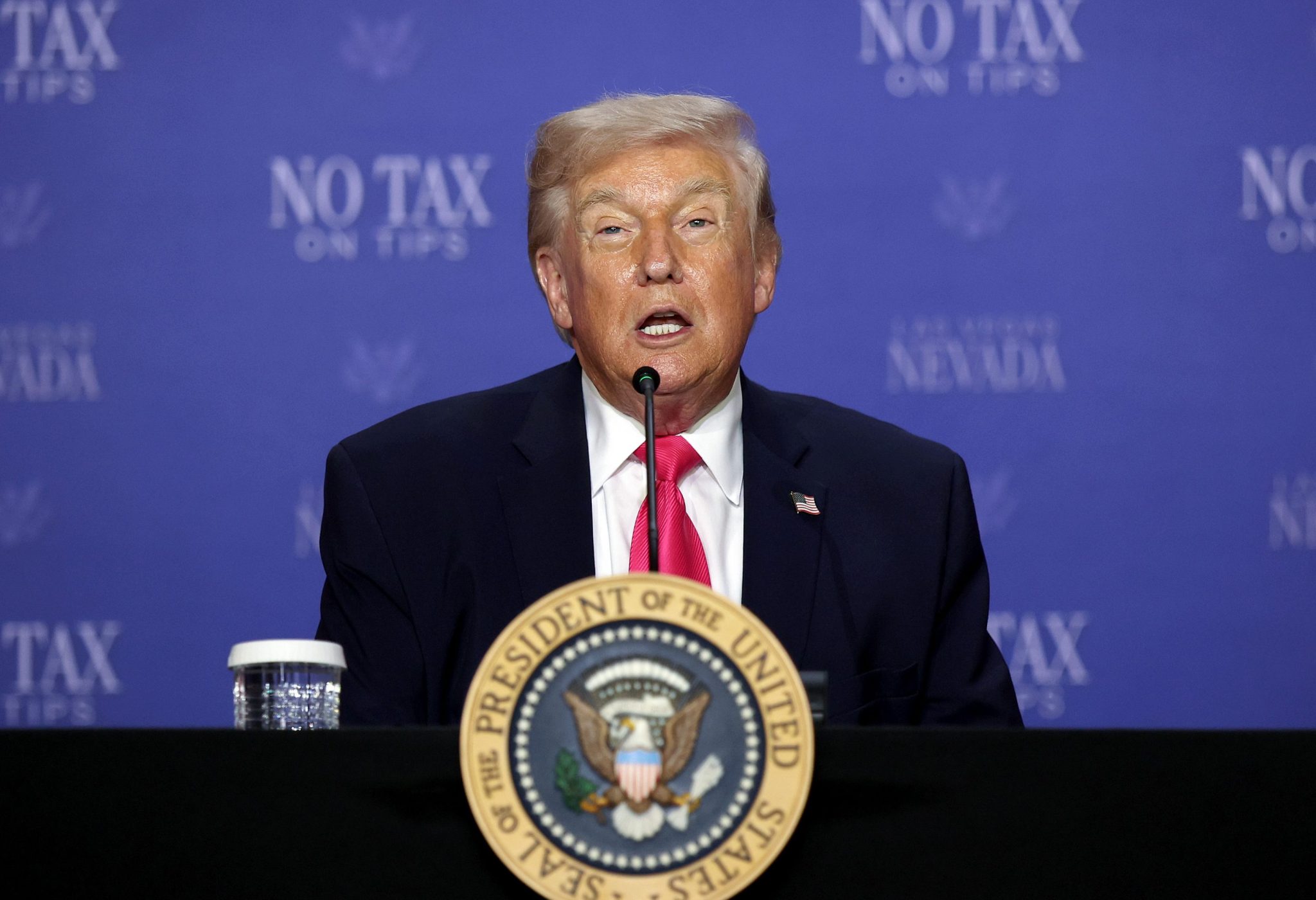
The OBBBA was a major piece of legislation that changed several tax rules. It removed taxes on tips and overtime pay, increased the credit given to parents for their children, and gave new tax breaks to senior citizens. The goal was to create a "sugar high" for the economy by encouraging people to spend their refunds. The White House even told people not to spend all their money in one place. However, the timing of the conflict in Iran has created a massive obstacle. Because the U.S. economy relies heavily on transportation, any spike in oil prices acts like a hidden tax on every person who drives a car or buys goods delivered by trucks.
Public or Industry Reaction
Financial experts are now lowering their expectations for the U.S. economy. Goldman Sachs reduced its forecast for how much people will spend this year, noting that the second quarter will be the hardest hit. Morgan Stanley also cut its growth predictions, blaming the drop in private spending. Economists are particularly worried about lower-income families. These households spend a much larger portion of their income on gas compared to wealthy families. While wealthy taxpayers benefited from different parts of the tax law, the poorest Americans are seeing their small gains disappear at the gas station.
What This Means Going Forward
The future of gas prices remains uncertain. Even though a ceasefire was discussed in early April, the Strait of Hormuz has not fully reopened. Recent events, such as the U.S. seizing an Iranian cargo ship, have kept the situation tense. Some energy experts worry that the oil market may never return to the way it was before the war. If gas prices stay high, the economic boost the government hoped for will likely fail to happen. This could lead to slower growth for the rest of the year and more financial pressure on working-class voters.
Final Take
The plan to flood the economy with cash through tax refunds was a bold move, but it could not withstand the reality of a global energy crisis. The very people the tax cuts were meant to help are now the ones feeling the most pain from high fuel costs. Instead of a season of extra spending and economic growth, many Americans are finding that their "big beautiful" refund has already been spent before they even left the gas station.
Frequently Asked Questions
Why did my tax refund increase this year?
Refunds increased because of the One Big Beautiful Bill Act, which raised the child tax credit, removed taxes on tips and overtime, and created new deductions for seniors and other groups.
How did the war in Iran affect my wallet?
The conflict led to the closure of a major oil shipping route. This caused global oil prices to rise, which resulted in gas prices in the U.S. jumping by nearly 40% in a short period.
Who is being hit hardest by these changes?
Lower-income families are suffering the most. They spend a higher percentage of their paycheck on gas, so the rising cost of fuel has completely canceled out the extra money they received from their tax refunds.



