
Summary
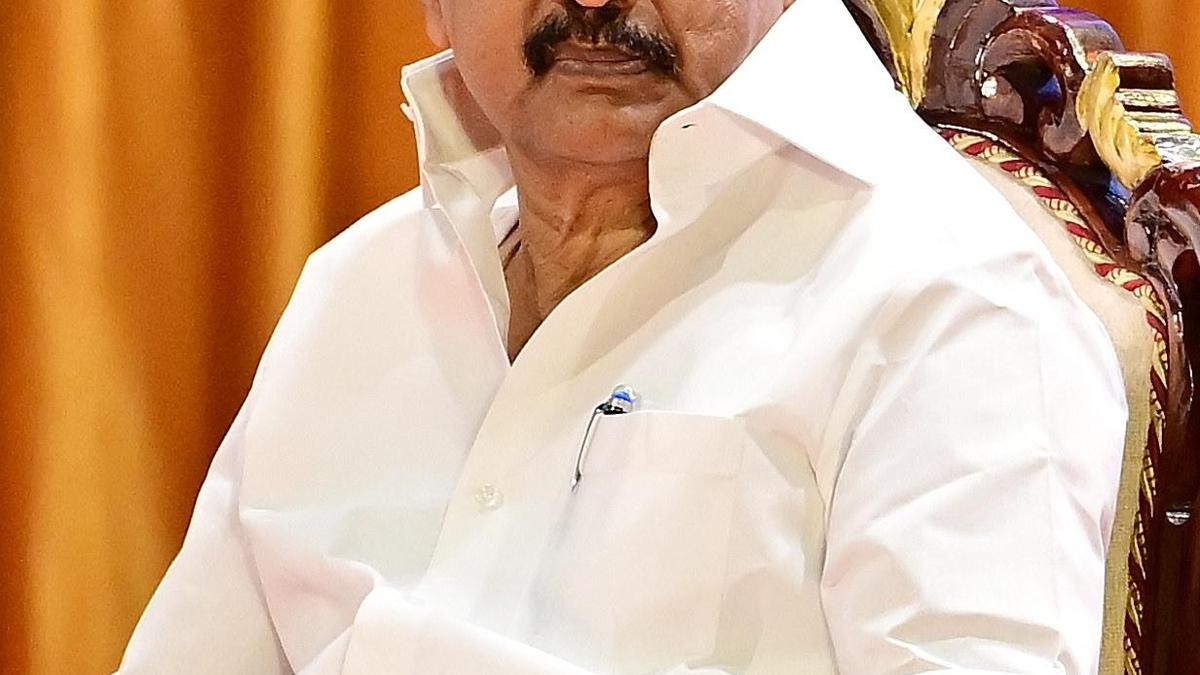
Tamil Nadu Chief Minister M.K. Stalin has officially reached out to Prime Minister Narendra Modi regarding the state's rice production. In a formal letter, the Chief Minister requested the central government to increase the limit for rice procurement from Tamil Nadu. This request follows a highly successful farming season that resulted in a significant surplus of paddy. The state government aims to ensure that farmers can sell their entire harvest at fair prices without facing storage or buyer issues.
Main Impact
The primary impact of this request is the financial security of thousands of farmers across Tamil Nadu, particularly in the Cauvery Delta region. When farmers produce more rice than the current government limit allows them to sell, they are often forced to sell to private buyers at much lower prices. By asking the Prime Minister to raise the procurement target, the state is trying to guarantee that the central government buys the extra grain at the Minimum Support Price (MSP). This move would stabilize the local economy and reward farmers for their hard work and high productivity during this season.
Key Details
What Happened
Chief Minister Stalin sent a detailed letter to the Prime Minister explaining why the state needs to sell more rice to the central pool this year. He pointed out that several factors came together to create a "bumper crop," which means a harvest that is much larger than usual. The state government has been monitoring the harvest closely and realized that the existing limits would not be enough to cover the total amount of paddy farmers are bringing to the market.
Important Numbers and Facts
The success of this year's harvest is linked to several specific actions and conditions. First, the Mettur Dam was opened for irrigation on time, which is a critical factor for the "Kuruvai" and "Samba" rice seasons. Second, the state saw an increase in the total area of land used for farming. Farmers also used high-yielding varieties of paddy seeds, which produce more grain per acre than older types of seeds. Additionally, the weather remained favorable throughout the growing period, preventing the kind of crop damage often caused by unexpected heavy rains or droughts. These combined factors have led to a record-level output that now requires more government buying power.
Background and Context
In India, the central government buys food grains like rice and wheat from farmers through a system called procurement. This is done to maintain a national food reserve and to provide grain for public welfare programs. Each state has a target or a limit on how much it can sell to the central government. Tamil Nadu is one of the major rice-producing states in the country, and its agriculture depends heavily on the Cauvery River and the Mettur Dam.
The Mettur Dam acts as a massive water storage system. When it is opened at the right time, it ensures that fields have enough water during the most important stages of plant growth. In recent years, the state has also focused on "improved crop management," which simply means teaching farmers better ways to use water, fertilizers, and tools. When these methods work well, the result is a massive amount of rice that exceeds what the local market can consume, making government procurement essential.
Public or Industry Reaction
Agricultural unions and farmer groups in Tamil Nadu have welcomed the Chief Minister's letter. Many farmers had expressed concerns that they would be left with piles of grain and no one to buy them at a fair price. Industry experts note that if the central government agrees to the request, it will prevent a "glut" in the market. A glut happens when there is too much of a product available, causing the price to crash. By having the government buy the surplus, the market price stays steady, which helps everyone from the farmer to the local shopkeeper.
What This Means Going Forward
The next step depends on the response from the Prime Minister’s Office and the Union Ministry of Consumer Affairs, Food and Public Distribution. If the request is granted, the Food Corporation of India (FCI) will work with state agencies to open more procurement centers. This would allow farmers to drop off their grain and receive payments directly into their bank accounts. If the limit is not increased, the state might have to find alternative ways to store the grain or provide extra subsidies to farmers to cover their losses. This situation highlights the ongoing need for flexible farming policies that can change based on how well a harvest performs each year.
Final Take
This request by the Tamil Nadu government is a proactive step to protect the livelihoods of those who feed the country. A successful harvest should be a cause for celebration, not a financial burden for farmers. By seeking an increase in rice procurement, the state is looking to turn a productive season into long-term economic stability for its rural communities.
Frequently Asked Questions
Why did the Chief Minister write to the Prime Minister?
He wrote to ask the central government to buy more rice from Tamil Nadu farmers because the state had a very successful harvest and has more rice than the current limits allow it to sell.
What caused the increase in rice production this year?
The increase was caused by the timely release of water from the Mettur Dam, good weather, better farming methods, and the use of seeds that produce more grain.
What is rice procurement?
It is a system where the government buys crops directly from farmers at a fixed, fair price to ensure farmers make a profit and the country has enough food stored for the public.



