
Summary
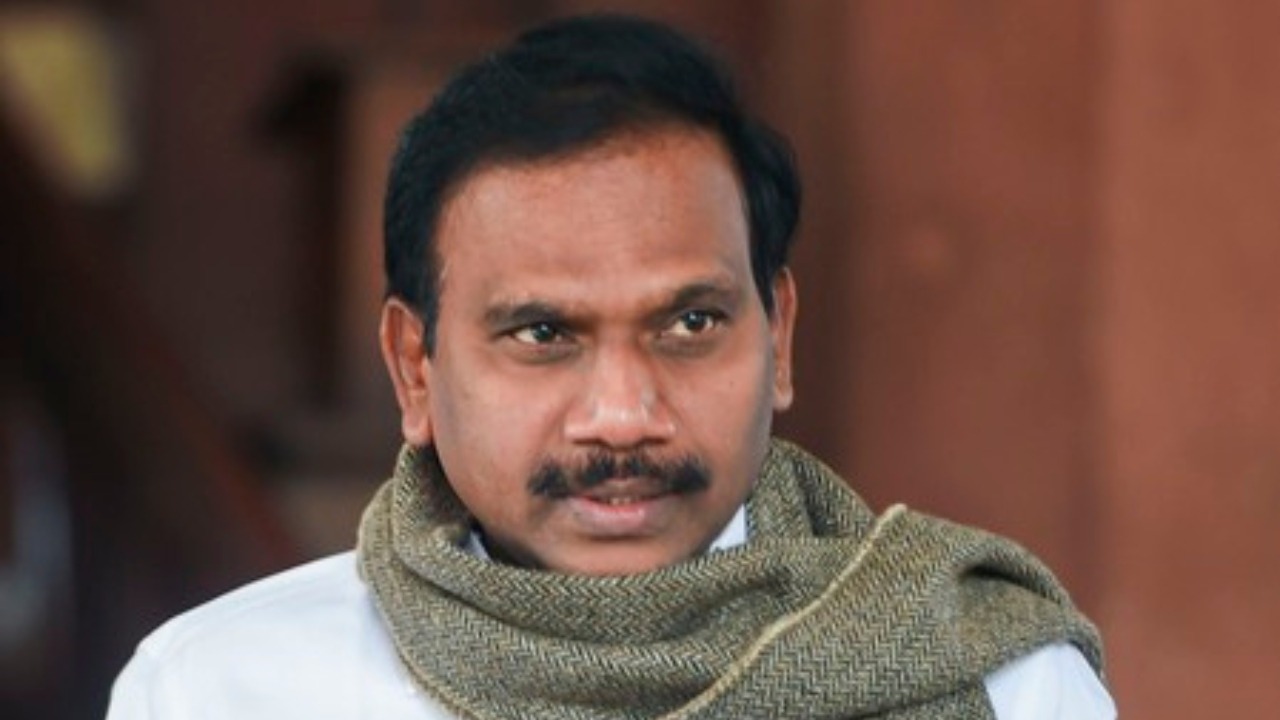
A. Raja, a prominent leader of the Dravida Munnetra Kazhagam (DMK) party, has taken legal action against a YouTube channel for sharing a fake audio clip. The clip allegedly used artificial intelligence (AI) to mimic his voice and create a false story about his views. This legal move highlights the growing concern over how digital technology is used to spread misinformation in politics. By sending this notice, the DMK leader aims to protect his reputation and stop the spread of what he calls a "falsely fabricated narrative."
Main Impact
The primary impact of this development is the spotlight it puts on the dangers of AI-generated content, often called deepfakes, in the political world. When high-profile leaders like A. Raja have their voices faked, it can confuse voters and damage the trust people have in public statements. This case serves as a warning to content creators and political rivals that using unverified or fake digital media can lead to serious legal consequences. It also forces social media platforms and the public to be more careful about the information they consume and share.
Key Details
What Happened
A. Raja, who is a Member of Parliament and a former Union Minister, discovered an audio clip circulating online that sounded like him. However, he claims he never said the words in the recording. He states that the audio was created using AI tools to make it seem like he was speaking ill of his own party's past and present leaders. The clip was shared by a YouTube channel and later used by political opponents to attack the DMK party.
Important Numbers and Facts
The legal notice specifically mentions that the audio clip was used to target the late DMK patriarch M. Karunanidhi and the current Chief Minister of Tamil Nadu, M.K. Stalin. A. Raja has accused Edappadi K. Palaniswami (EPS), the leader of the AIADMK party, of using this fake recording to make defamatory remarks. The notice demands that the YouTube channel remove the content immediately and stop spreading the false audio. While the exact financial damages were not listed in the initial report, the notice marks a formal start to a potential court case.
Background and Context
Tamil Nadu has a very active and competitive political environment, mainly led by two major parties: the DMK and the AIADMK. For decades, these parties have used speeches, posters, and television to win over voters. In recent years, the battle has moved to the internet. With the rise of easy-to-use AI tools, it has become simple for almost anyone to create fake videos or audio clips that look and sound real. This is not the first time AI has been used in Indian politics, but it is one of the most direct legal challenges against it by a senior leader. Understanding this context is important because it shows how technology is changing the way political campaigns are run and how leaders must now defend themselves against digital lies.
Public or Industry Reaction
The reaction to this legal notice has been divided along political lines. DMK supporters have praised A. Raja for taking a stand against "digital dirty tricks." They argue that fake news is a threat to democracy and must be stopped. On the other hand, members of the opposition have used the content of the clip to question the internal unity of the DMK, even though the clip's authenticity is being legally challenged. Tech experts have also weighed in, noting that as AI becomes more advanced, it will become harder for the average person to tell the difference between a real recording and a fake one. This has led to calls for stricter laws regarding AI-generated content in India.
What This Means Going Forward
Moving forward, this case could set a precedent for how political parties handle deepfakes. If A. Raja is successful in his legal battle, it may encourage other politicians to monitor the internet more closely and take quick action against fake content. We can expect to see more "fact-checking" teams within political parties to verify audio and video before they go viral. Additionally, this might push the government to introduce new regulations for YouTube channels and social media influencers who share political content without verifying its source. The risk of misinformation remains high, especially as elections approach, making digital literacy more important than ever for the public.
Final Take
The legal notice sent by A. Raja is more than just a personal dispute; it is a fight against the misuse of modern technology. As AI continues to evolve, the line between truth and fiction becomes thin. This case reminds us that while technology can be a great tool for communication, it can also be used as a weapon to mislead. Protecting the truth in the digital age will require a combination of strong legal actions, better technology for detection, and a more cautious audience.
Frequently Asked Questions
What is an AI-generated audio clip?
It is a recording created using computer software that can mimic a specific person's voice. It can make it sound like they are saying things they never actually said.
Why did A. Raja send a legal notice?
He sent the notice because he claims a YouTube channel used a fake AI voice to misrepresent his speech and insult his party leaders, which he says is a "fabricated narrative."
Who else is involved in this controversy?
Besides the YouTube channel, A. Raja criticized AIADMK leader Edappadi K. Palaniswami for using the unverified audio to make negative comments about DMK leaders M. Karunanidhi and M.K. Stalin.



