
Summary
The Sri Venkateswara Institute of Medical Sciences, known as SVIMS, has reached a major health milestone with its "Pink Bus" initiative. This mobile medical unit has now screened over 42,000 women in rural areas for various types of cancer. A recent high-profile screening camp took place at the Community Health Centre in Naravaripalle, which is the ancestral village of the Chief Minister. This program aims to bring advanced medical testing directly to women who live far from major city hospitals.
Main Impact
The primary impact of the Pink Bus program is the early detection of cancer in underserved communities. In many rural parts of the country, women often ignore early symptoms or lack the means to travel to a specialist. By bringing a fully equipped laboratory on wheels to their doorstep, SVIMS is saving lives through early diagnosis. Finding cancer in its early stages makes treatment much more successful and less expensive for families who may already be struggling financially.
Key Details
What Happened
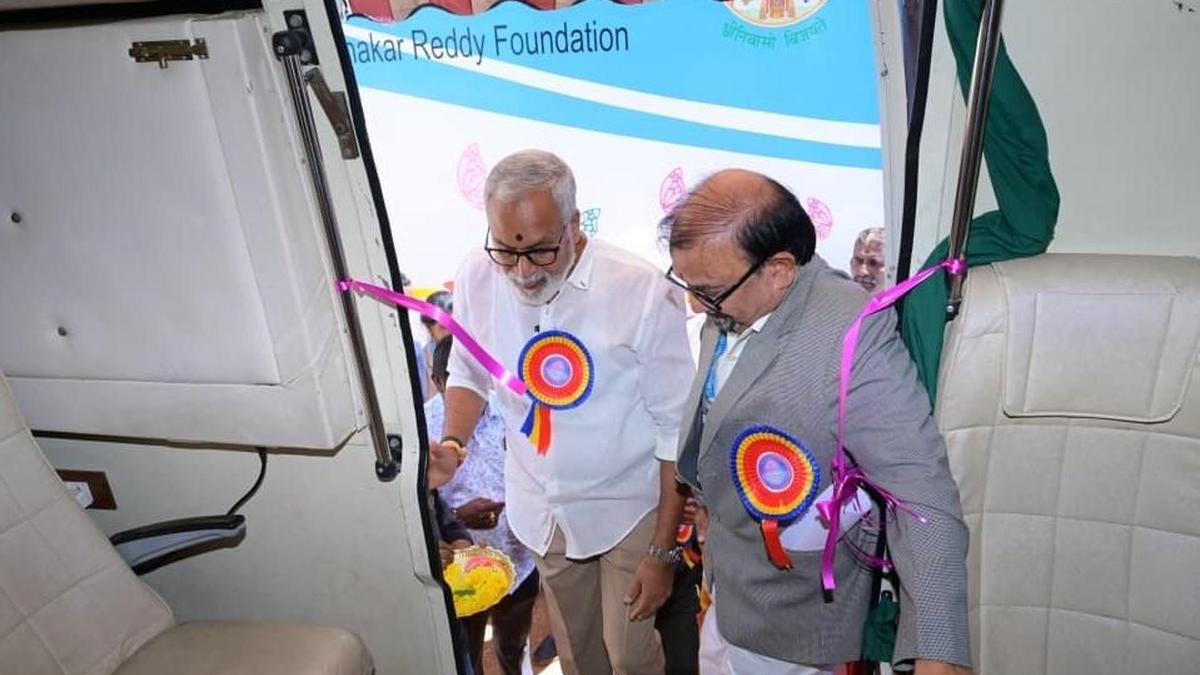
The SVIMS Pink Bus visited Naravaripalle to conduct a comprehensive health drive. Medical teams used the specialized vehicle to perform tests that are usually only available in large urban hospitals. The bus is designed to provide a private and comfortable space for women to undergo screenings. This specific camp in the Chief Minister's village highlights the government's focus on improving health services at the grassroots level. Doctors and nurses worked throughout the day to ensure every woman who attended the camp received a thorough checkup.
Important Numbers and Facts
The program has successfully tested 42,000 women across various districts. The Pink Bus is equipped with advanced technology, including digital mammography machines for breast cancer screening and tools for cervical cancer testing. These two types of cancer are among the most common health threats to women in India. By reaching the 42,000 mark, SVIMS has demonstrated that mobile health units are a reliable way to manage public health crises in large, spread-out populations.
Background and Context
In rural India, healthcare is often a challenge due to the distance between villages and specialized medical centers. Many women prioritize their family's needs over their own health, often waiting until a disease is advanced before seeking help. Cancer screening is a vital part of modern medicine, but the equipment required is heavy and expensive. SVIMS created the Pink Bus to solve this problem. It acts as a bridge between high-tech hospital care and the quiet life of the village. The initiative focuses on "preventive oncology," which means looking for signs of disease before a person even feels sick.
Public or Industry Reaction
Health experts have praised the SVIMS model for its efficiency and reach. Local leaders in Naravaripalle noted that the presence of the bus encourages women to talk more openly about their health. In many small communities, there is still a social stigma or fear surrounding a cancer diagnosis. However, seeing the Pink Bus arrive in their own neighborhood helps normalize the idea of regular checkups. Families have expressed relief that they do not have to spend a full day traveling to a city and waiting in long hospital lines for these essential tests.
What This Means Going Forward
The success of the 42,000 screenings suggests that the program will likely expand. There is a growing need for more mobile units to cover even more remote areas. Moving forward, the data collected from these screenings will help health officials understand which regions have higher risks of certain diseases. This information allows the government to allocate resources more effectively. The next steps involve ensuring that any woman who tests positive during a bus screening is quickly connected to a hospital for follow-up care and treatment. The goal is to create a seamless path from the village bus to the recovery ward.
Final Take
The SVIMS Pink Bus is more than just a vehicle; it is a symbol of hope for thousands of women who previously had no access to life-saving technology. By reaching into the heart of rural areas like Naravaripalle, the program proves that high-quality healthcare does not have to be limited to big cities. As the number of screened women continues to grow, the overall health of the community improves, showing that prevention is truly the best medicine.
Frequently Asked Questions
What is the SVIMS Pink Bus?
It is a mobile medical clinic equipped with specialized tools to screen women for breast, cervical, and oral cancers in rural areas.
Why was the camp held in Naravaripalle?
The camp was held there to provide health services to the local community and to highlight the importance of rural health initiatives in the Chief Minister's ancestral village.
How many women have been screened so far?
To date, the Pink Bus initiative has successfully provided cancer screenings to 42,000 women across the region.

