
Summary
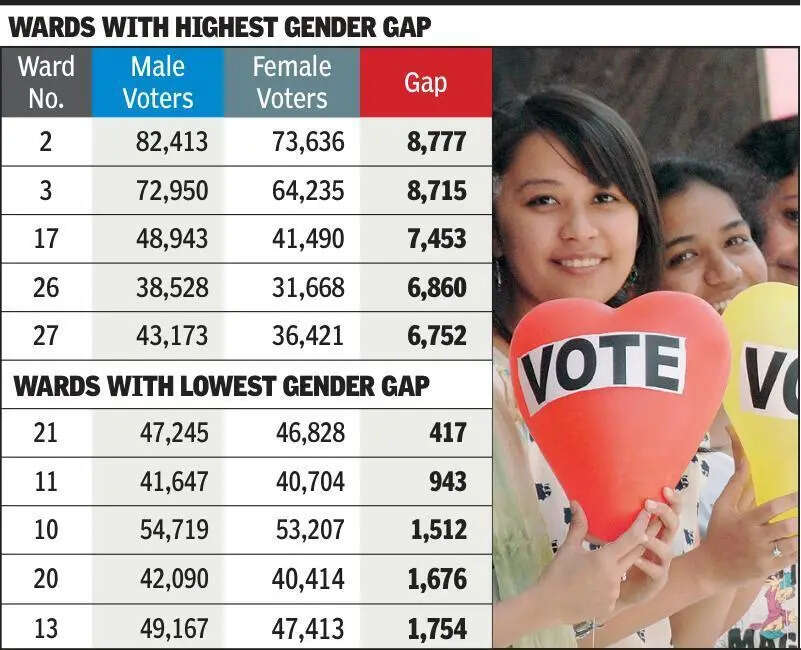
Recent data from Surat shows a significant difference in the number of men and women living in certain parts of the city. Specifically, neighborhoods where many people have moved from the Saurashtra region show a much wider gender gap. This means there are far fewer women than men in these areas. This trend highlights a serious social issue that persists even as the city grows economically. Understanding why this gap exists is important for the future of the community.
Main Impact
The main impact of this finding is the clear social divide it reveals within Surat. While the city is known as a global hub for diamonds and textiles, its social progress is not the same everywhere. In areas with high migrant populations from Saurashtra, the low number of females suggests that traditional preferences for male children remain very strong. This imbalance can lead to long-term social problems, including difficulties in finding marriage partners and a lack of female representation in local life.
Key Details
What Happened
Officials and researchers looking at population data noticed a pattern in Surat’s different wards. Surat is a city built on migration, with people coming from all over India to work. However, the group from the Saurashtra region of Gujarat is one of the largest and most influential. In the neighborhoods where these families live, the sex ratio—which is the number of females for every 1,000 males—is much lower than the national or state average. This suggests that the preference for sons over daughters is still a major factor in these specific communities.
Important Numbers and Facts
The data shows that in some migrant-heavy wards, the number of women is significantly lower than in other parts of the city. For every 1,000 men, some areas have fewer than 900 women. In extreme cases, the numbers are even lower. This is a sharp contrast to more modern or diverse parts of Surat where the gap is closing. Historically, the Saurashtra region has struggled with a low sex ratio, and it appears that when people move to the city, these social patterns move with them. The diamond industry, which employs a huge number of men from this region, is the primary economic driver in these specific neighborhoods.
Background and Context
To understand this issue, we have to look at the history of Surat. Over the last few decades, Surat became the diamond cutting and polishing capital of the world. Thousands of people from districts like Amreli, Bhavnagar, and Junagadh in Saurashtra moved to Surat to find work. They often settled in specific areas like Varachha and Katargam. These neighborhoods became "mini-Saurashtras" within the city. While these migrants became very wealthy and successful in business, their social views often stayed the same. The preference for a male child to carry on the family name and business is a deep-seated belief that has not changed as quickly as their bank accounts have grown.
Public or Industry Reaction
Social workers and experts are worried about these findings. They point out that economic success does not always lead to social equality. Many people in the diamond industry are now very wealthy, yet the data shows they are still not giving equal value to girl children. Some community leaders have tried to start programs to encourage families to celebrate the birth of daughters, but the numbers show there is still a long way to go. There is also a growing concern about the "marriage squeeze," where young men in these communities find it hard to find wives because there are simply not enough women in their social circles.
What This Means Going Forward
If this gender gap is not fixed, Surat will face several challenges. A society with too many men and too few women often sees an increase in crime and a decrease in safety for women. The government may need to increase its efforts in these specific wards to promote the education and value of girls. Simply having a general city-wide plan might not work because the problem is concentrated in specific migrant communities. Future policies will likely need to focus on changing minds within these specific groups through local leaders and community influencers.
Final Take
The situation in Surat serves as a reminder that money alone cannot fix social problems. Even in a city that is a symbol of India's industrial power, old-fashioned views about gender can still hold a community back. True growth happens only when social values improve alongside economic ones. Addressing the gender gap in Saurashtra migrant areas is not just about numbers; it is about ensuring a balanced and fair future for everyone in the city.
Frequently Asked Questions
Why is the gender gap higher in these specific areas?
The gap is higher because of long-standing cultural preferences for male children among some migrant groups. These traditional views often persist even after families move to the city and become financially successful.
Which areas in Surat are most affected?
The areas most affected are those with a high population of migrants from the Saurashtra region, such as Varachha and Katargam. These neighborhoods are closely tied to the diamond and textile industries.
What are the risks of a low female-to-male ratio?
A low ratio can lead to social instability, including a difficult marriage market for men and a lack of safety and voice for women in the community. It also reflects a lack of progress in gender equality.



