
Summary
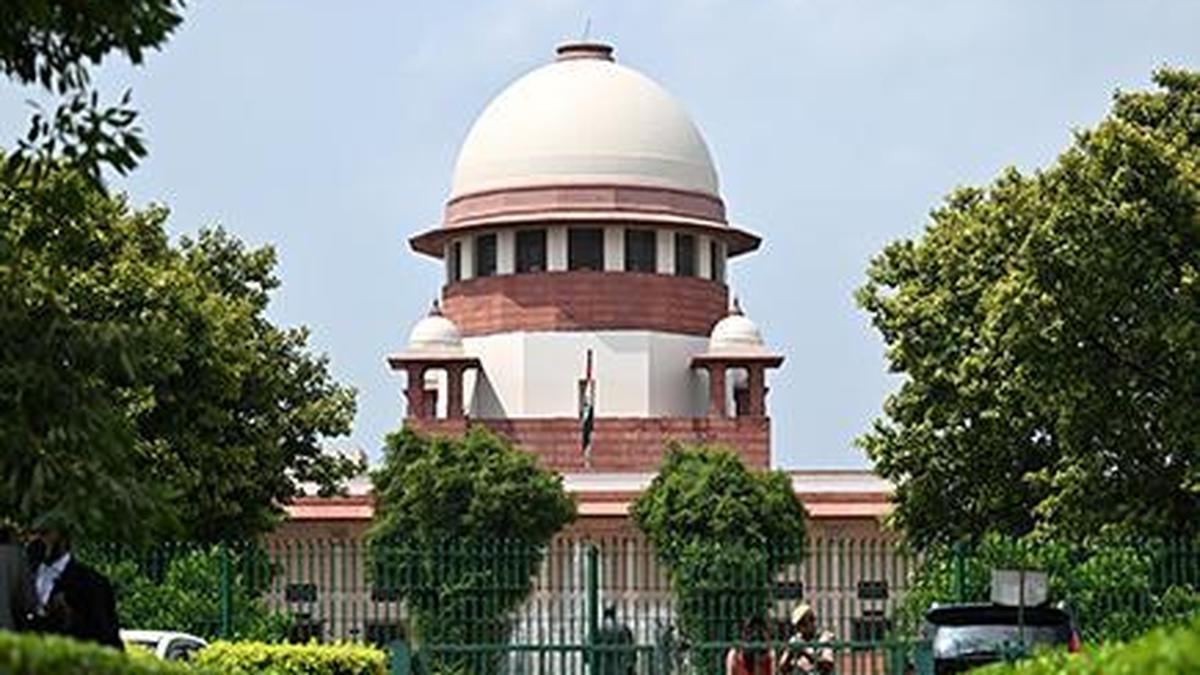
The Supreme Court of India recently shared a strong message about religious equality, stating that no single religion is superior to another. This statement came during a legal discussion regarding the Sabarimala temple in Kerala. The Travancore Devaswom Board (TDB), which manages the temple, argued that allowing women of a certain age to enter goes against the nature of the deity. This case continues to be a major point of debate between traditional religious practices and the constitutional right to equality.
Main Impact
The main impact of this discussion is the reminder that the law views all faiths as equal. When the Supreme Court says no religion is above another, it sets a standard for how legal disputes involving faith should be handled. However, the TDB’s argument shows that religious institutions are still fighting to keep their specific traditions alive. This clash affects how millions of people practice their faith and how the government protects individual rights versus group traditions.
Key Details
What Happened
During the court hearing, the Travancore Devaswom Board explained why they believe women of "fertile age" should not enter the Sabarimala temple. They argued that the deity, Lord Ayyappa, is an eternal celibate, and the presence of women of a specific age would go against the temple's core beliefs. Justice Varale, one of the judges, noted that the TDB’s suggestion for women to simply visit other temples was "a little harsh." The board later clarified that they were not trying to be rude but were defending the rights of believers.
Important Numbers and Facts
The TDB mentioned that there are 999 other temples where women can go without any restrictions. This number was used to show that the restriction at Sabarimala is a unique case based on a specific tradition. The legal battle over Sabarimala has been going on for years, following a 2018 ruling that originally opened the temple doors to women of all ages. That ruling was later challenged, leading to the current discussions in the higher courts.
Background and Context
The Sabarimala temple is one of the most famous Hindu shrines in India. For a long time, women between the ages of 10 and 50 were not allowed to enter. This is because the deity is seen as a "Naishtika Brahmachari," which means someone who has taken a lifelong vow of celibacy. Supporters of the tradition say this rule is necessary to respect the deity's wishes. On the other side, activists argue that the ban is a form of discrimination against women. They believe that every citizen should have the right to worship anywhere, regardless of their gender or age.
Public or Industry Reaction
The reaction to the TDB’s comments has been mixed. Many traditionalists agree with the board, saying that courts should not interfere with ancient religious customs. They feel that a Public Interest Litigation (PIL) should not be used to change how a temple operates if the people filing the case are not actual devotees. However, many women's rights groups and legal experts were pleased with the Supreme Court’s comment on religious equality. They believe that the law must always come before tradition when it comes to basic human rights.
What This Means Going Forward
Going forward, the Supreme Court will have to decide how to balance these two sides. One side wants to protect the unique identity of a religious site, while the other wants to ensure that no one is excluded based on their biology. This case will likely influence how other religious sites in India manage their rules. If the court decides that equality is the most important factor, other temples with similar restrictions might have to change their ways. If the court protects the tradition, it will reinforce the idea that religious groups have the right to manage their own affairs without outside interference.
Final Take
The debate over Sabarimala is more than just a fight about a temple; it is a fight about the soul of a modern democracy. While traditions give people a sense of identity and history, the law ensures that everyone is treated with dignity. The Supreme Court’s reminder that all religions are equal is a vital part of keeping a diverse country together. Finding a middle ground that respects both faith and fairness remains the biggest challenge for the Indian legal system today.
Frequently Asked Questions
Why are some women restricted from entering Sabarimala?
The restriction applies to women of menstruating age, typically between 10 and 50 years old. This is based on the belief that the deity of the temple is an eternal celibate, and the tradition is meant to respect that status.
What did the Supreme Court say about religion?
The Supreme Court stated that no religion is superior to another. This means that in the eyes of the law, all faiths are equal and must be treated with the same level of respect and legal scrutiny.
What is a PIL in this context?
A PIL stands for Public Interest Litigation. It is a legal action started in a court of law for the protection of "Public Interest." In this case, the TDB questioned if people who are not devotees should be allowed to use a PIL to change temple traditions.



