
Summary
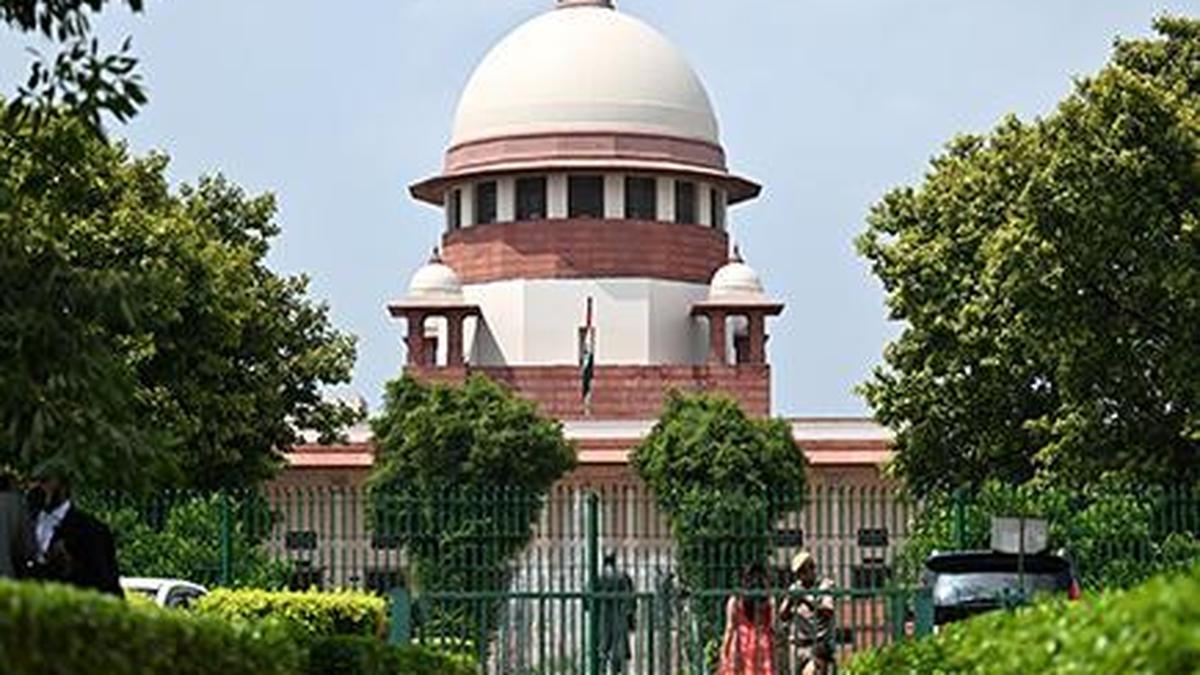
The Travancore Devaswom Board (TDB) recently told the Supreme Court of India that courts do not have the power to judge religious beliefs. The board argued that the way a religious group practices its faith should be decided by the community itself, not by judges. This statement was made during a major hearing involving a nine-judge bench led by Chief Justice Surya Kant. The outcome of this case could change how the law interacts with religious traditions across the country.
Main Impact
The main impact of this argument is the potential limit it places on judicial power. If the Supreme Court accepts the TDB's view, it would mean that judges cannot use logic or modern social values to strike down ancient religious customs. This would give religious groups more freedom to manage their own affairs without fear of legal interference. However, it also raises questions about how to protect individual rights, such as equality, if those rights clash with a community's long-standing traditions.
Key Details
What Happened
During the court proceedings, the TDB explained that religious faith is a personal and community matter. They argued that a court is "bound to accept" the beliefs of a religious group if that group sincerely holds those views. The board’s legal team suggested that judges should not try to decide if a religious practice is "rational" or "logical" because faith often exists outside of human logic. They believe the court's only job is to see if the belief is truly part of that religion.
Important Numbers and Facts
The hearing is being conducted by a nine-judge Constitution Bench. This is one of the largest benches possible in the Indian legal system, which shows how important the case is. The bench is headed by Chief Justice Surya Kant. The TDB is a powerful body that manages over 1,200 temples in the state of Kerala, including the famous Sabarimala Temple. The case focuses on the "Essential Religious Practices" test, a legal rule used to decide which parts of a religion are protected by the Constitution.
Background and Context
This legal battle started because of disputes over who can enter certain places of worship and how rituals are performed. For many years, Indian courts have used a specific test to see if a religious practice is "essential." If a practice is found to be essential, the law usually protects it. If it is not essential, the government can pass laws to change it for social welfare.
The TDB is now challenging this entire approach. They argue that it is not the job of a judge to read religious books and decide what is important to a devotee. In their view, if a community says a practice is necessary for their faith, the court should not question it. This is a shift from the current system where judges often act as "lay theologians" to interpret religious texts.
Public or Industry Reaction
Legal experts and religious leaders are watching this case closely. Some people agree with the TDB, saying that the state should stay out of spiritual matters. They feel that religious freedom is a basic right that should not be controlled by the government. They argue that every religion has its own unique rules that might not make sense to outsiders but are vital to the followers.
On the other side, social activists and some lawyers are worried. They argue that if courts cannot judge religious practices, it might be impossible to stop unfair treatment. For example, in the past, courts have helped stop practices like untouchability or banning certain groups from temples. Critics fear that giving religious groups total control could lead to a loss of individual rights, especially for women and minority members within those groups.
What This Means Going Forward
The Supreme Court now has a very difficult task. The nine judges must decide where to draw the line between religious freedom and the power of the law. If they rule in favor of the TDB, many old cases might be reopened. It could lead to a new era where religious groups have much more autonomy.
In the coming months, the court will hear more arguments from different sides. They will look at how the Constitution balances Article 25, which gives people the right to practice religion, with Article 14, which guarantees equality for everyone. The final decision will serve as a guide for all future cases involving temples, mosques, churches, and other places of worship in India.
Final Take
This case is a major moment for the Indian legal system. It asks a fundamental question: Who has the final say over faith—the priest or the judge? While the TDB wants to protect the traditions of the community, the court must also ensure that the Constitution remains the highest law of the land. The balance they find will shape the future of Indian society and the meaning of secularism for years to come.
Frequently Asked Questions
What is the Travancore Devaswom Board (TDB)?
The TDB is an independent body created by law that manages many Hindu temples in Kerala. Its main job is to look after temple properties, rituals, and the welfare of pilgrims.
Why is a nine-judge bench hearing this case?
A nine-judge bench is formed only for the most important legal questions. Because this case involves basic rights and the power of the courts over religion, a large group of judges is needed to make a final, clear rule.
What does "subjective belief" mean in this case?
It means that a belief should be judged based on what the followers feel and think, rather than using an objective or scientific test. The TDB argues that if the followers believe something is sacred, the court should accept that feeling as a fact.



