
Summary
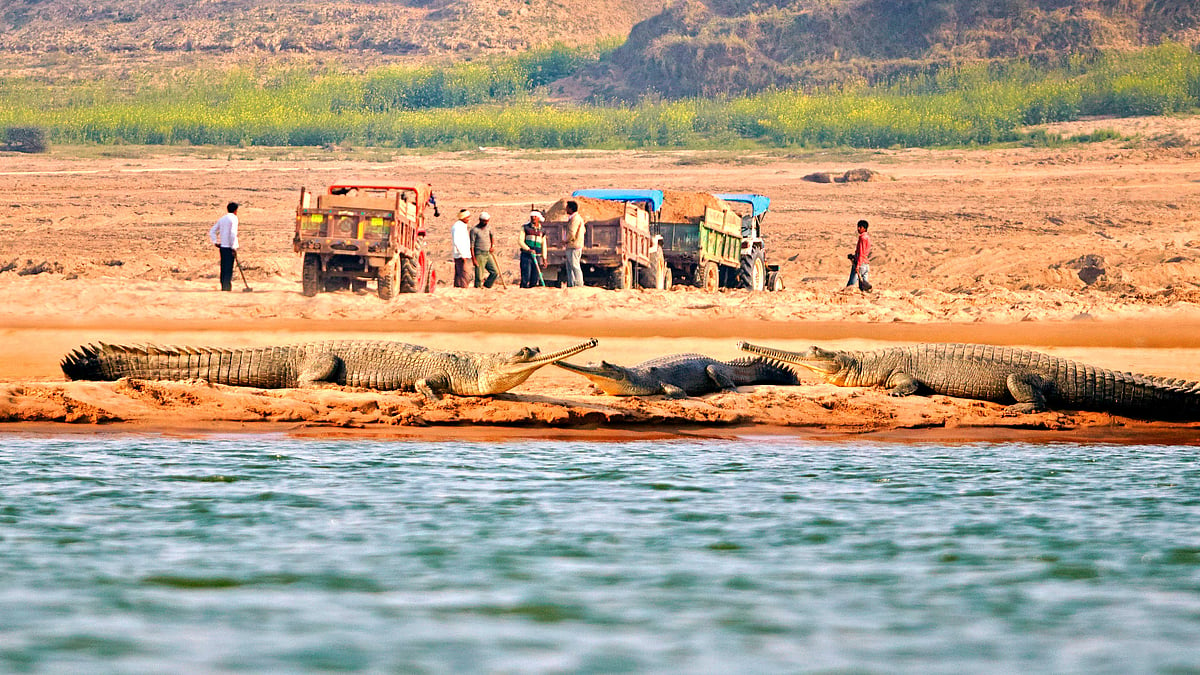
The Supreme Court of India recently stepped in to protect the National Chambal Gharial Sanctuary after the Rajasthan government tried to remove its protected status. This move is part of a larger trend where the government has approved over 1,500 projects in wildlife areas over the last decade. While officials claim these projects are for development, environmentalists warn that rare species like the gharial are at risk of dying out. The court has called the illegal miners in the area "modern dacoits" for their role in destroying the local environment.
Main Impact
The main impact of these decisions is the loss of critical habitats for endangered animals. The National Chambal Gharial Sanctuary is home to 75 percent of the world’s gharial population. By removing protections, the government opens the door for illegal sand mining and human construction. This disturbs the riverbanks where these animals breed. If the sand mining continues at its current pace, the gharial and other river animals could face extinction in the near future.
Key Details
What Happened
In December 2025, the Rajasthan government decided to denotify 732 hectares of the Chambal sanctuary. Denotifying means the land is no longer legally protected as a wildlife area. The government argued this would help local people and allow for new projects like river cruises. However, on April 2, 2026, the Supreme Court put a stay on this order. The judges were worried about the damage being done by the sand mafia, who use heavy machinery to dig up the riverbed even while animals are present.
Important Numbers and Facts
The scale of forest loss in India is significant. In the last 10 years, more than two lakh hectares of forest have been diverted for non-forest uses. In the 2023-24 period alone, there was a 280 percent increase in project approvals within or near wildlife sanctuaries. In the Chambal area, reports suggest that over a thousand truckloads of sand are mined illegally every single day. The sanctuary itself covers a 600-kilometer stretch of the river across three different states.
Background and Context
The gharial is a unique type of crocodile that is listed as "Critically Endangered." It needs very specific conditions to survive, including clean water and solid sandbanks for nesting. The Chambal River is one of the few places left where they can live safely. For years, the National Board for Wildlife (NBWL) has been responsible for protecting these areas. However, critics say the board now acts more like a clearing house that approves government projects instead of protecting nature. This shift has made it easier for industries and mining groups to move into areas that were once off-limits.
Public or Industry Reaction
The reaction to the government's plans has been split. Some local leaders and business groups in Kota welcomed the move to remove protections. They believe it will help regularize the homes of people living illegally in the area and boost tourism through river cruises. On the other side, environmental activists and the Supreme Court have expressed deep concern. Justice Sandeep Mehta noted that it is a "sad state of affairs" when a state government cannot or will not defend its own natural resources. Activists point out that poor farmers are often the ones left to fight these legal battles against powerful mining groups.
What This Means Going Forward
The situation in Chambal is a sign of what is happening across all of India. From turtle sanctuaries in Varanasi to elephant corridors in Rajaji National Park, protected zones are being reduced in size. In Maharashtra, mining has been approved near tiger reserves, and in the Great Nicobar Island, a massive port project is threatening the nesting grounds of giant leatherback turtles. If the government continues to prioritize short-term economic gains over long-term environmental health, the country may lose its most famous wildlife forever. The next steps will depend on whether the courts continue to block these projects and if the public demands better protection for forests.
Final Take
True development should not come at the cost of destroying the natural world. While building roads and ports is important, protecting the air, water, and wildlife that sustain life is even more vital. The Supreme Court's intervention in the Chambal case provides a small amount of hope, but a permanent solution requires the government to value its forests as much as its infrastructure. Without a change in how these decisions are made, the "modern dacoits" will continue to strip away India's natural wealth until nothing is left.
Frequently Asked Questions
What is a gharial and why is it important?
A gharial is a rare, long-snouted crocodile found in the rivers of India. It is important because it is a key indicator of a healthy river ecosystem. Most of the world's remaining gharials live in the Chambal River.
Why is sand mining a threat to wildlife?
Sand mining destroys the riverbanks where animals like gharials and turtles lay their eggs. It also makes the water muddy and changes the flow of the river, making it hard for aquatic life to survive.
What does it mean to denotify a sanctuary?
Denotifying means the government officially removes the legal protection from a piece of land. Once an area is denotified, it can be used for mining, building roads, or other industrial activities that were previously banned.

