
Summary
The Bharatiya Janata Party (BJP) has officially asked the Election Commission of India to take action against Congress President Mallikarjun Kharge. The complaint follows a controversial statement where Kharge reportedly referred to Prime Minister Narendra Modi as a "terrorist." The BJP argues that such language violates the rules set for political conduct during elections and is demanding a public apology from the Congress leader.
Main Impact
This development has increased the tension between India’s two largest political parties during a critical election period. By taking the matter to the Election Commission, the BJP is looking to enforce the Model Code of Conduct, which governs how politicians should behave and speak. If the Commission finds the complaint valid, it could lead to a formal warning, a temporary ban on campaigning for the leader involved, or a requirement for a public retraction of the statement. This move highlights the growing focus on the language used by top leaders during public rallies.
Key Details
What Happened
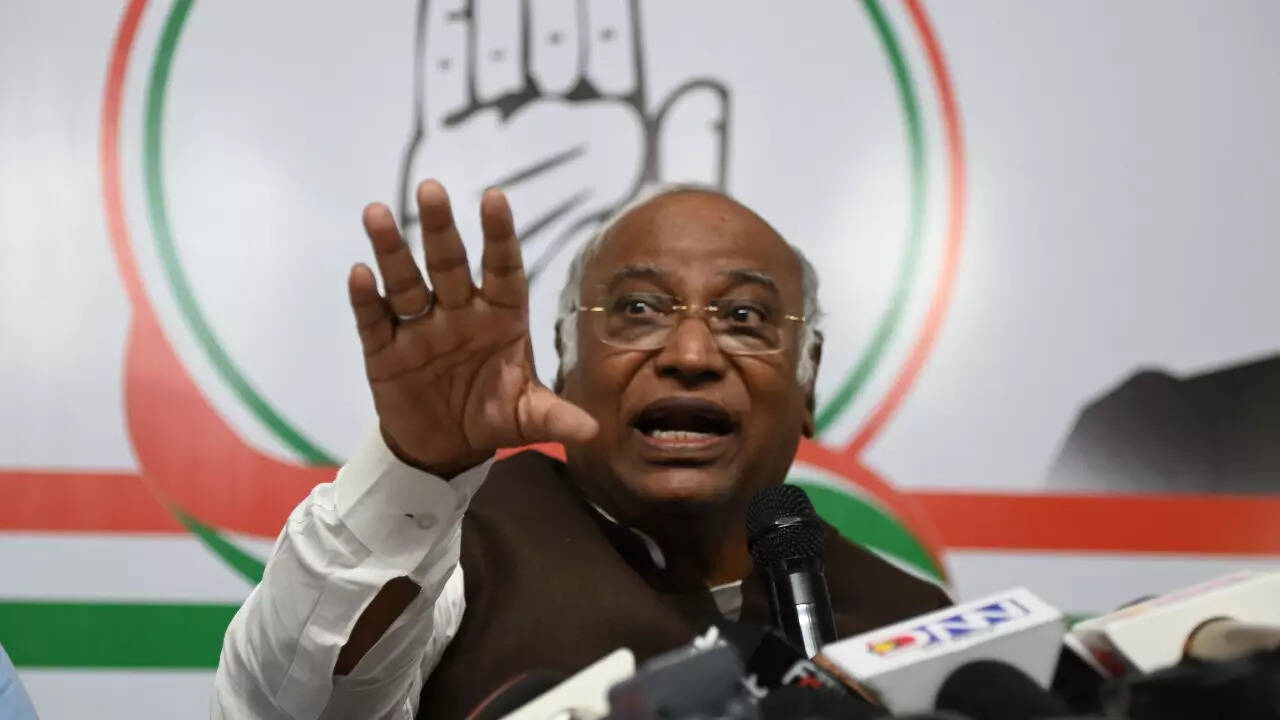
During a recent political event, Mallikarjun Kharge made a speech that included a sharp attack on Prime Minister Narendra Modi. According to the BJP, Kharge used the word "terrorist" to describe the Prime Minister. The BJP quickly responded by organizing a delegation to meet with officials from the Election Commission. They presented their case, stating that the remark was not just a political critique but a personal and dangerous insult that crosses the line of acceptable debate.
Important Numbers and Facts
The complaint was filed on April 21, 2026, amid the ongoing election cycle. The BJP delegation requested that the Election Commission issue a strict notice to Kharge. They also demanded that he offer a clear and public apology to the nation and the Prime Minister. Under the current election rules, the Commission has the power to review video recordings of the speech to decide if the language used was meant to incite hatred or cause personal harm to a candidate's reputation.
Background and Context
In India, the Model Code of Conduct is a set of guidelines issued by the Election Commission. These rules become active as soon as election dates are announced. The main goal of these rules is to ensure that elections are fair and that the political atmosphere remains peaceful. One of the most important parts of this code is the rule against making personal attacks. Politicians are encouraged to talk about policies, past work, and future plans rather than attacking the personal lives or characters of their opponents.
Over the years, the Election Commission has become more strict about "hate speech" and "derogatory remarks." In previous elections, several high-profile leaders from various parties have faced temporary bans from speaking at rallies because of the words they used. The BJP’s decision to file a formal complaint shows that they want to hold the opposition leader accountable under these specific legal standards.
Public or Industry Reaction
BJP leaders have spoken out strongly against the remark. They claim that calling a democratically elected Prime Minister a "terrorist" is an insult to the office and the people of India. They argue that this kind of language can mislead the public and create a sense of fear or anger. On the other side, some supporters of the Congress party suggest that the remark might have been taken out of context or was meant to describe the impact of certain government policies. However, the official stance of the BJP remains that the words used were clear and unacceptable under any circumstances.
What This Means Going Forward
The Election Commission will now examine the evidence provided by the BJP. This usually involves watching the full video of the speech to understand the context. If they find that Kharge broke the rules, they will send him a "show-cause notice." This notice asks the leader to explain why action should not be taken against him. Depending on his response, the Commission could decide to let him off with a warning or take more serious steps, such as stopping him from making public speeches for a few days. This case will likely set a tone for how other leaders choose their words in the remaining days of the election campaign.
Final Take
Political competition is a healthy part of any democracy, but the language used by leaders carries significant weight. When top officials use extreme labels, it shifts the focus away from important issues like the economy, education, and healthcare. The outcome of this complaint will show how strictly the Election Commission intends to monitor political speech in 2026. It serves as a reminder that while free speech is vital, there are specific boundaries that must be respected during an election to maintain public order and professional standards.
Frequently Asked Questions
What is the Model Code of Conduct?
It is a set of rules that political parties and candidates must follow during elections. It covers things like speeches, polling day behavior, and the content of election manifestos to ensure fair play.
Can the Election Commission disqualify a candidate for a speech?
While the Commission can issue warnings and temporary bans on campaigning, permanent disqualification for a single speech is rare and usually requires a very serious violation of the law or a court order.
What happens if a leader refuses to apologize?
If a leader ignores a notice or refuses to apologize after being found at fault, the Election Commission can take stronger disciplinary actions, including filing a police report or restricting the party's access to certain campaign tools.



