Summary
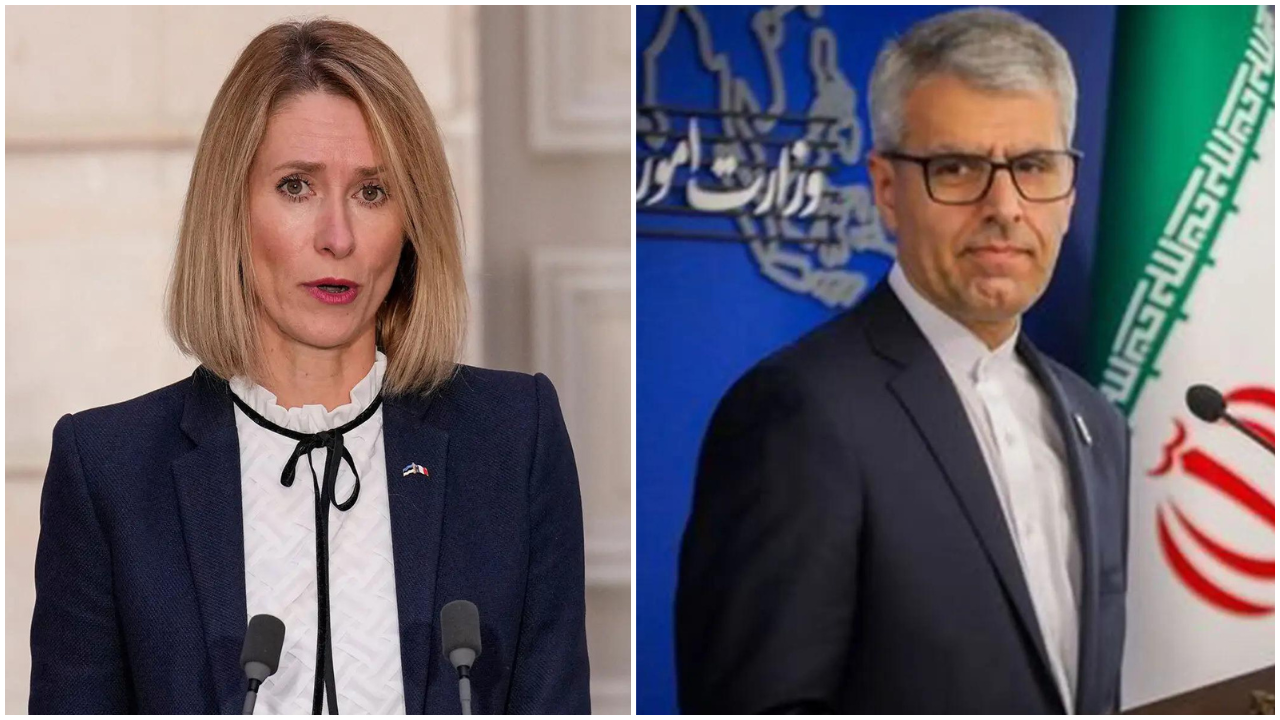
Iran has issued a sharp response to the European Union regarding the rules for traveling through the Strait of Hormuz. The Iranian government accused European leaders of being hypocritical and told them to stop giving "sermons" about international law. This tension comes as the EU tries to ensure that ships can pass through the area without paying extra fees or facing delays. Iran claims it has the right to manage the waterway to protect its own security, while the EU insists that the route must remain open and free for all global trade.
Main Impact
The main impact of this dispute is the potential for higher costs in global trade. The Strait of Hormuz is one of the most important paths for oil and gas in the world. If Iran decides to change the rules for how ships pass through, or if they start charging fees, the price of energy could go up for everyone. This disagreement also makes the region less stable, as the EU is considering sending more naval support to protect merchant ships. This could lead to more military ships in a very small area, increasing the risk of a mistake or a direct conflict.
Key Details
What Happened
The Iranian foreign ministry spoke out against recent statements made by the European Union. The EU had expressed concern about how Iran manages the Strait of Hormuz and warned against any actions that would slow down shipping. Iran responded by calling these remarks "peak hypocrisy." They argued that the EU often ignores the security concerns of Middle Eastern countries while trying to tell them how to run their own waters. Iran believes it has a legal right to regulate the passage of ships to defend itself against potential threats.
Important Numbers and Facts
The Strait of Hormuz is a very narrow body of water, measuring only about 21 miles wide at its tightest point. Despite its small size, it is a giant in the world of trade. Roughly 20% to 30% of the world's total oil supply passes through this strait every single day. Because the shipping lanes are so narrow, ships often have to pass through the territorial waters of Iran and Oman. The EU is worried that if Iran imposes transit fees, it would set a dangerous example for other important waterways around the globe.
Background and Context
To understand why this matters, you have to look at how international shipping works. There is a set of rules called the United Nations Convention on the Law of the Sea. These rules generally say that ships should have "innocent passage" through territorial waters as long as they are not doing anything harmful. However, Iran argues that the presence of foreign military ships near its coast is a threat. For years, there has been a "shadow war" in these waters, with ships being seized or attacked. The EU wants to keep the area open to protect its economy, while Iran wants to use its control over the strait as a way to show its power and respond to Western sanctions.
Public or Industry Reaction
The shipping industry is watching this situation very closely. Companies that own large oil tankers are worried that insurance costs will rise if the area becomes more dangerous. If insurance companies think there is a high risk of a ship being stopped or damaged, they charge the shipping companies more money. These extra costs are usually passed down to the people who buy the oil and gas. Some industry experts have said that any attempt to charge fees for passing through the strait would be a violation of long-standing international customs. Meanwhile, some political experts in the region see Iran's strong words as a way to gain leverage in future talks with Europe.
What This Means Going Forward
Looking ahead, we can expect more naval activity in the region. The EU has already mentioned offering maritime support, which means they might send more warships to escort merchant vessels. This is similar to what has happened in the Red Sea recently. Iran is unlikely to back down from its position, as it views the strait as its most important strategic asset. There is a risk that this war of words could turn into actual blockades or more ship seizures. If that happens, the global economy could face a major shock. Diplomats will likely try to find a middle ground, but right now, both sides seem very firm in their positions.
Final Take
The dispute over the Strait of Hormuz is about much more than just shipping rules; it is about power and security in a sensitive part of the world. While the EU wants to protect the flow of goods, Iran is using its geography to demand respect and security. Without a clear agreement on how to manage this narrow waterway, the risk of a trade crisis remains high. Both sides will need to move past angry words if they want to avoid a situation that hurts the global economy.
Frequently Asked Questions
Why is the Strait of Hormuz so important?
It is the only way for oil tankers to get out of the Persian Gulf and into the open ocean. A huge portion of the world's energy supply travels through this narrow gap every day.
What does Iran mean by "hypocrisy" in this case?
Iran is suggesting that the EU follows international rules only when it helps them, but ignores those same rules when it comes to Iran's right to defend its own borders and waters.
Will gas prices go up because of this?
If the tension leads to ships being blocked or if Iran starts charging high fees, it is very likely that energy prices will increase globally because it will be more expensive to move oil.