Summary
Global financial markets experienced a major shift today following the announcement that the Strait of Hormuz will reopen. Iran’s Foreign Ministry confirmed the move as part of ongoing diplomatic talks with the United States, ending six weeks of high tension. This news caused Brent crude oil prices to fall by 10%, while stock markets around the world saw significant gains. Investors are hopeful that this development will lead to lower energy costs and more stability in the global economy.
Main Impact
The reopening of this vital shipping lane has an immediate effect on the cost of energy worldwide. For the past month and a half, the closure of the strait had created fears of a global energy shortage, driving prices higher. Now that the path is clear, the sudden drop in oil prices helps reduce the risk of high inflation. Lower oil prices mean that it becomes cheaper to transport goods, which can eventually lead to lower prices for consumers at grocery stores and gas stations. Stock markets reacted with excitement because lower energy costs usually lead to higher profits for most companies.
Key Details
What Happened
The Iranian Minister of Foreign Affairs announced that the Strait of Hormuz is being reopened to international traffic. This decision is a direct result of negotiations between Iran and the U.S. government. The strait is a narrow but essential waterway that had been restricted for about 45 days. During that time, many shipping companies had to find longer and more expensive routes to move their cargo. The reopening suggests that diplomatic efforts are working and that both nations are looking for ways to reduce conflict.
Important Numbers and Facts
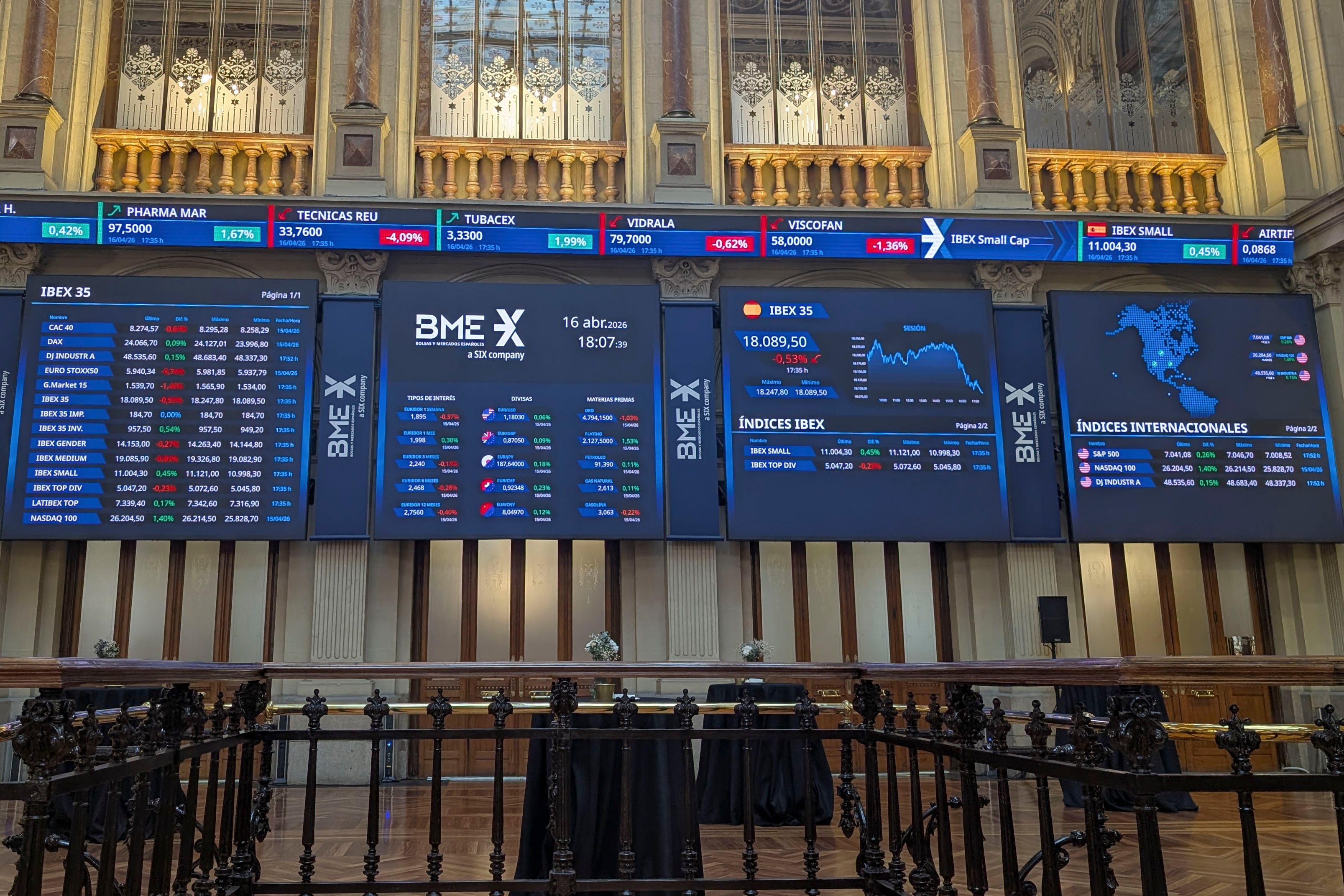
The market reaction was fast and powerful. Brent crude oil, which is the international benchmark for oil prices, fell by 10% to reach $90 per barrel. Before this news, prices had been much higher due to the uncertainty of the supply. In the stock market, Spain’s Ibex 35 index jumped by 2%, bringing it very close to its highest level in history. In the United States, Wall Street investors also showed strong interest, with major indices expected to open with large gains. These numbers show how much the global economy relies on the steady flow of oil through the Middle East.
Background and Context
The Strait of Hormuz is often called the most important oil transit point in the world. It is a small stretch of water located between Oman and Iran. It connects the Persian Gulf with the rest of the world's oceans. To understand its importance, one must look at the volume of trade that passes through it. Roughly 20% of the world's total oil consumption travels through this strait every single day. Because there are very few other ways to move this much oil out of the region, any closure or threat to the area causes immediate panic in the energy markets.
In the past, tensions in this region have led to global economic problems. When the strait was closed six weeks ago, it caused a ripple effect. Shipping insurance costs went up, oil supplies became tight, and businesses worried about a long-term energy crisis. Today's announcement is seen as a major relief because it removes a massive obstacle to global trade.
Public or Industry Reaction
Financial analysts and industry experts have responded with cautious optimism. Many traders were surprised by the size of the oil price drop, noting that a 10% move in a single day is very rare. Business leaders have praised the diplomatic efforts, stating that a stable energy market is necessary for economic growth. Shipping companies are already making plans to return to their standard routes through the strait, which will save them time and money. However, some experts warn that while the reopening is a good sign, the markets will remain sensitive to any further political news from the region.
What This Means Going Forward
Looking ahead, the focus will remain on the progress of the talks between the United States and Iran. If these negotiations continue to be successful, we could see a more permanent period of stability in energy prices. This would be a major help for central banks that are trying to control inflation. If oil stays around $90 or drops further, it takes away one of the biggest reasons for rising prices. On the other hand, if the negotiations hit a wall, the markets could become volatile again. For now, the immediate threat of a massive energy shortage has faded, allowing the global economy to breathe a sigh of relief.
Final Take
The reopening of the Strait of Hormuz is a clear example of how international politics can change the economy in an instant. By choosing diplomacy over conflict, the involved parties have helped lower energy costs and boost investor confidence. While the situation is still developing, today’s market surge shows that the world is ready for a more stable and predictable energy future.
Frequently Asked Questions
Why did oil prices drop so quickly?
Oil prices dropped because the reopening of the Strait of Hormuz means that a large supply of oil can now reach the global market more easily. When there is more supply and less fear of a shortage, prices naturally go down.
Why is the Strait of Hormuz so important?
It is the world's most important oil shipping lane. About one-fifth of the world's oil passes through this narrow waterway. If it is blocked, it is very difficult and expensive to move oil from the Middle East to other countries.
How does this affect the average person?
When oil prices fall, it usually leads to lower costs for gasoline and diesel. It also reduces the cost of shipping goods, which can help stop prices from rising at grocery stores and other retail shops.