
Summary
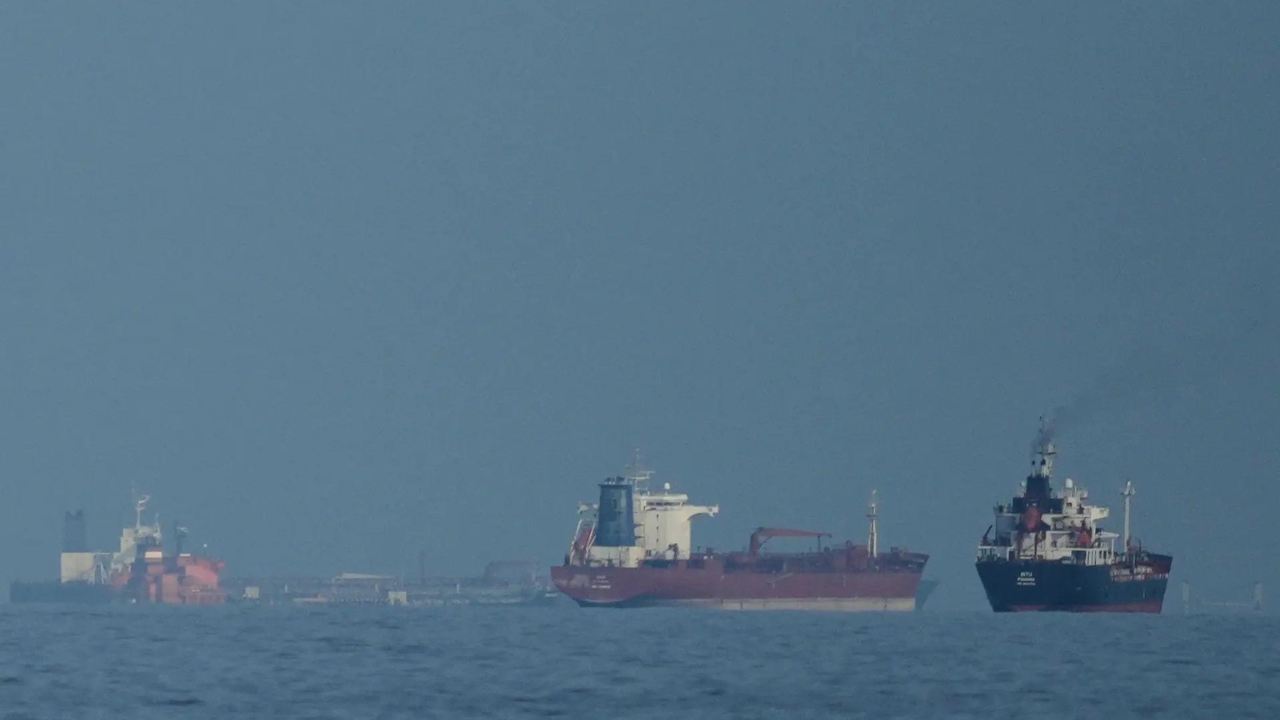
Several oil tankers from India and Greece have turned away from the Strait of Hormuz following a series of confusing messages from Iran. The decision to change course comes as tensions rise in one of the world's most important maritime paths. Reports of gunfire hitting other merchant ships in the area have added to the fear and uncertainty. This situation has forced shipping companies to prioritize safety over their planned delivery schedules.
Main Impact
The immediate impact of these tankers turning back is a disruption in the global oil supply chain. When large ships change their routes or stop moving, it creates a delay in getting crude oil to refineries. For a country like India, which depends heavily on imported oil to run its economy, these delays can lead to higher costs for fuel and energy. The uncertainty also makes it harder for businesses to plan their shipments, leading to a nervous global market.
Key Details
What Happened
In recent days, Indian and Greek crude oil tankers were seen moving away from the entrance of the Strait of Hormuz. This happened after Iranian authorities gave conflicting information about the safety of the waterway. While some reports suggested the area was open for normal traffic, other signals indicated that ships might face risks or restrictions. The situation turned more serious when reports emerged of gunfire being directed at merchant vessels. These incidents of violence have made the region a high-risk zone for commercial shipping.
Important Numbers and Facts
The Strait of Hormuz is a narrow waterway that connects the Persian Gulf with the Gulf of Oman and the Arabian Sea. It is widely considered the most important oil chokepoint in the world. About 20% to 30% of the world's total oil consumption passes through this narrow stretch every single day. Because the passage is only about 21 miles wide at its narrowest point, any conflict or threat of violence can easily block the path for large tankers. The ships that turned back are massive vessels capable of carrying millions of barrels of oil, making their movement a significant event for global trade.
Background and Context
To understand why this matters, it is important to look at the geography and politics of the region. The Strait of Hormuz is the only way for ships to move oil out of the Persian Gulf to reach markets in Asia, Europe, and North America. Countries like Saudi Arabia, Iraq, the UAE, and Kuwait all rely on this path to export their oil. Iran sits along the northern coast of the strait and has a strong military presence there.
In the past, Iran has used its position to influence global politics. When there are disagreements with other nations, the safety of the strait often becomes a point of concern. The current "mixed signals" refer to a situation where different parts of the Iranian government or military may be saying different things. This creates a "gray zone" where ship captains do not know if they will be protected or attacked if they enter the area.
Public or Industry Reaction
The shipping industry has reacted with extreme caution. Maritime insurance companies are likely to raise their prices for any ship planning to travel through the Middle East. These "war risk" premiums make it much more expensive to transport goods. Many shipping firms are now telling their captains to wait in safe waters until the situation becomes clearer. Industry experts have noted that even a small chance of gunfire is enough to make a multi-million dollar vessel turn around. There is also a growing call for international naval forces to provide better protection for merchant ships in these troubled waters.
What This Means Going Forward
Looking ahead, the main concern is whether this is a temporary problem or the start of a long-term blockade. If tankers continue to avoid the Strait of Hormuz, oil prices will likely go up across the world. For India, this could mean higher prices at the petrol pump and increased costs for manufacturing. Governments may need to look for alternative ways to get oil, such as using pipelines that bypass the strait or buying more oil from other parts of the world like Russia or the Americas. Security experts will be watching Iran closely to see if they provide a clear guarantee of safety for international shipping.
Final Take
The safety of global trade depends on open and predictable sea routes. When a major waterway like the Strait of Hormuz becomes a place of confusion and violence, the effects are felt by everyone. The decision by Indian and Greek tankers to turn back shows that safety is currently more important than speed or profit. Until there is a clear and consistent message regarding the safety of the passage, the global energy market will remain on high alert.
Frequently Asked Questions
Why did the Indian tankers turn back?
The tankers turned back because of confusing messages from Iran about the safety of the Strait of Hormuz and reports of gunfire hitting other ships in the area.
Why is the Strait of Hormuz so important?
It is a vital narrow path through which nearly one-third of the world's sea-traded oil passes. It is the only exit for oil coming out of the Persian Gulf.
How does this affect oil prices?
When tankers are delayed or forced to take longer routes, the supply of oil drops. This usually causes the price of oil and fuel to go up globally.



