Summary
The Strait of Hormuz is currently facing a major crisis following a series of violent events over the weekend. Reports of gunfire directed at commercial ships and the seizure of an Iranian vessel by United States forces have created a dangerous situation in the region. These actions are directly challenging the fragile ceasefire between Iran and the U.S., causing massive confusion for international shipping and threatening global energy markets.
Main Impact
The most immediate impact of this unrest is the total disruption of maritime traffic in one of the world's most vital waterways. Shipping companies are now facing a high-risk environment where safety can no longer be guaranteed. Because the Strait of Hormuz is a narrow passage that carries a large portion of the world's oil, any delay or blockage here can lead to a rapid increase in global fuel prices and supply chain problems.
Key Details
What Happened
Over the past 48 hours, the situation in the Persian Gulf changed from a quiet standoff to active conflict. Several commercial ships reported being targeted by gunfire from unidentified small boats. Shortly after these reports, the United States military confirmed it had seized an Iranian-flagged vessel. The U.S. claimed the seizure was a necessary response to security threats, but the move has been viewed by many as a major break from the previous diplomatic agreements.
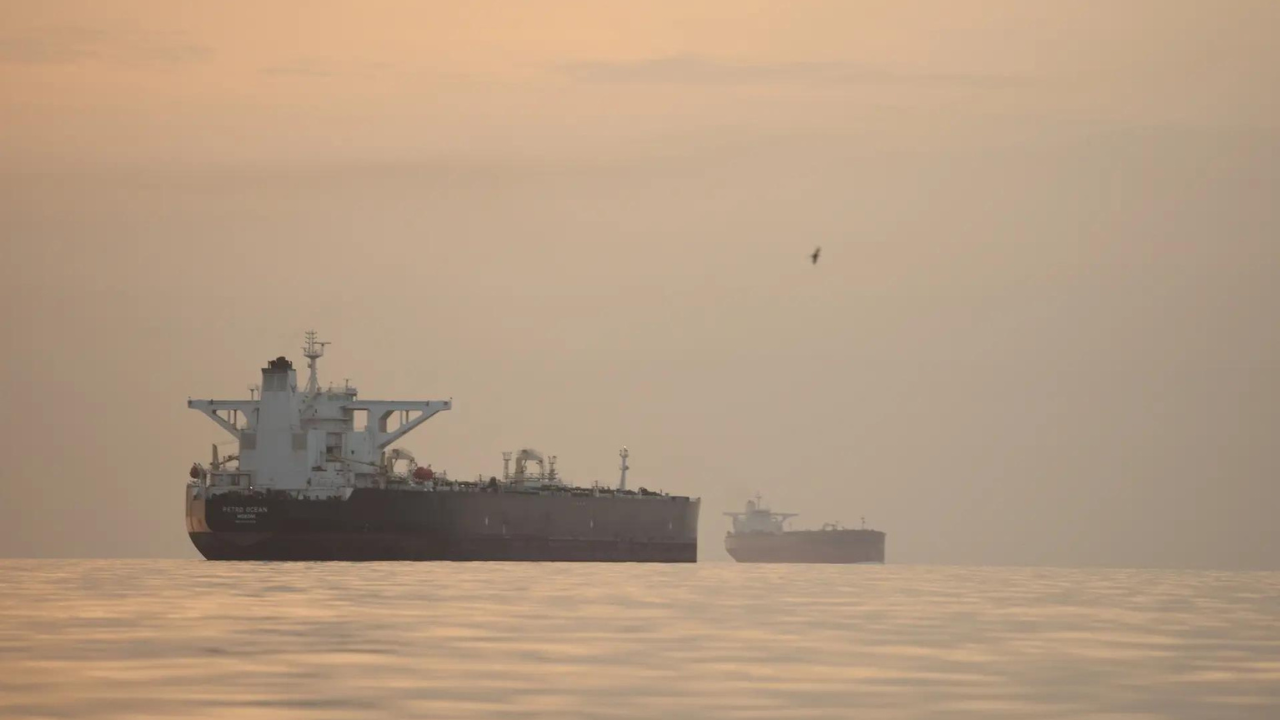
As a result of these events, the movement of cargo ships and oil tankers has become chaotic. Satellite tracking shows many vessels stopping in their tracks, reversing course, or drifting in circles as they wait for clear instructions from their home offices. Captains are receiving conflicting messages about which areas are safe to enter, leading to a complete breakdown in normal shipping schedules.
Important Numbers and Facts
The Strait of Hormuz is roughly 21 miles wide at its narrowest point, making it a natural "choke point" for global trade. Approximately 20% to 30% of the world's total oil consumption passes through this area every single day. Even a temporary closure or a significant slowdown in traffic can affect millions of barrels of oil. Following the news of the gunfire and seizure, insurance costs for ships traveling through the Middle East have started to climb, which will eventually make goods more expensive for consumers everywhere.
Background and Context
To understand why this matters, it is important to know that the U.S. and Iran have had a very tense relationship for many years. Recently, a fragile ceasefire was put in place to prevent open military conflict. This agreement was meant to keep the shipping lanes open and allow for diplomatic talks. However, both sides have remained suspicious of each other.
The Strait of Hormuz is the only way for ships to get out of the Persian Gulf and into the open ocean. Countries like Saudi Arabia, Kuwait, and the United Arab Emirates rely on this path to send their oil to buyers in Asia, Europe, and North America. If the ceasefire fails, the entire global economy could feel the pressure of an energy crisis.
Public or Industry Reaction
The shipping industry has reacted with deep concern. Many maritime security firms have advised their clients to avoid the area if possible or to hire extra security teams. Industry experts say that the current level of uncertainty is the highest it has been in several years. Meanwhile, political leaders from around the world are calling for both the U.S. and Iran to show restraint. There is a strong fear that one small mistake or a misunderstanding could lead to a much larger war that neither side truly wants.
What This Means Going Forward
The next few days will be critical for the future of the region. If the U.S. continues to hold the Iranian vessel, Iran may respond by attempting to block the strait entirely or by seizing a Western ship in return. Diplomats are working behind the scenes to try and lower the tension, but the presence of military ships and the recent use of weapons make the situation very unpredictable.
For the average person, this could mean higher prices at the gas pump if the situation is not resolved quickly. For the shipping industry, it means a long period of high costs and dangerous working conditions for crews. The ceasefire is not officially over, but it is currently being tested more than ever before.
Final Take
The events in the Strait of Hormuz show how quickly global stability can change. While the ceasefire was intended to bring peace, the recent gunfire and ship seizure prove that the region remains a flashpoint for conflict. The world is now watching to see if diplomacy can win out over military force, or if this vital trade route will become a battleground once again.
Frequently Asked Questions
Why is the Strait of Hormuz so important?
It is the main path for oil tankers leaving the Persian Gulf. A large part of the world's oil supply must pass through this narrow waterway to reach international markets.
What caused the current tension?
Tensions rose after reports of gunfire hitting commercial ships and the United States military seizing an Iranian vessel over the weekend.
Will this affect oil prices?
Yes, instability in this region usually causes oil prices to go up because traders worry that the supply of oil will be cut off or delayed.