
Summary
Iran has issued a stern warning that it may completely block the Strait of Hormuz if the United States carries out attacks on its energy sites. This threat follows a final warning from President Trump regarding potential military action against Iranian oil and gas facilities. The situation has created a high level of tension in the Middle East, leading to rising oil prices and concerns over global energy security. Both sides have already reported damage and people being forced to leave their homes as the conflict grows more serious.
Main Impact
The biggest impact of this threat is the potential for a global energy crisis. The Strait of Hormuz is a vital path for the world's oil supply. If Iran follows through on its threat to close the waterway, it would stop a large portion of the world's oil from reaching international markets. This would likely cause gas prices to rise quickly for people all over the world. Furthermore, Iran has warned that any regional energy buildings that host US military bases could also become targets, putting neighboring countries at risk of being pulled into the fight.
Key Details
What Happened
The current standoff began after President Trump issued a strong warning to Iran. In response, Iranian military and political leaders stated that they would not sit back if their energy sector was attacked. They made it clear that if Iran cannot export its own oil, they will make sure no other country in the region can export oil through the strait either. This "all or nothing" approach has put the international shipping industry on high alert.
Important Numbers and Facts
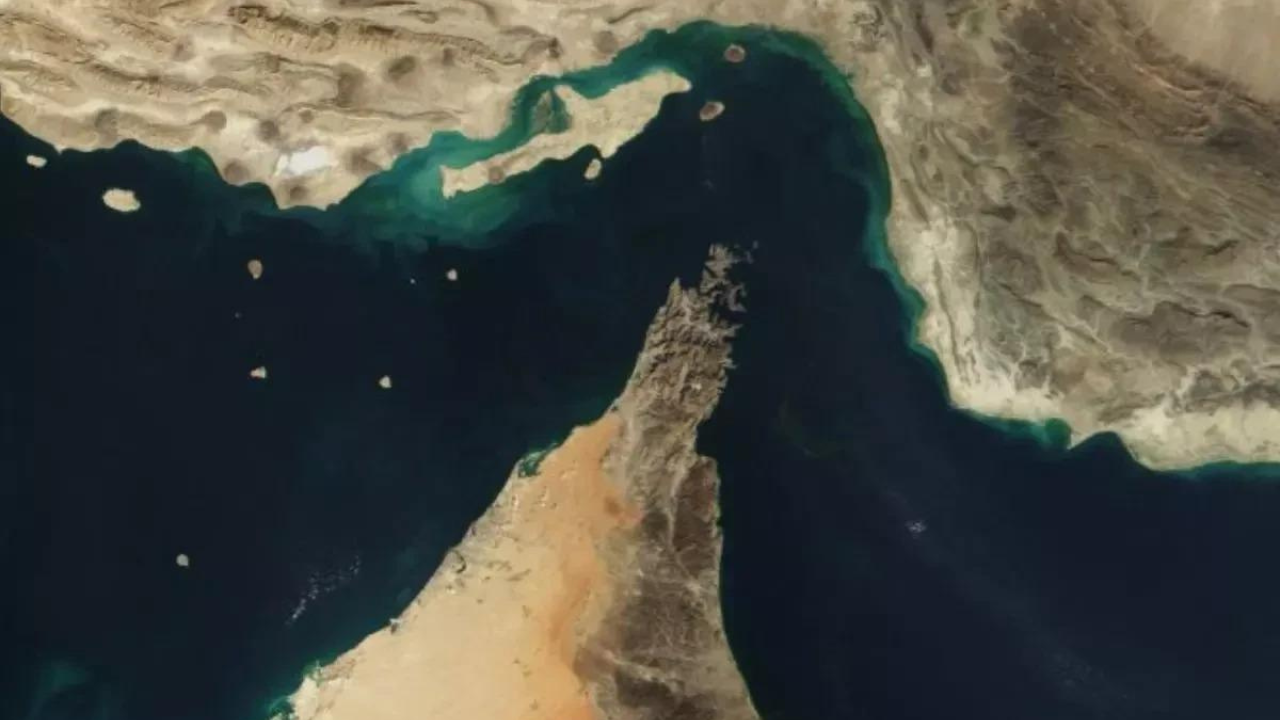
The Strait of Hormuz is a narrow stretch of water that connects the Persian Gulf with the Gulf of Oman. It is only about 21 miles wide at its narrowest point. Despite its small size, about 20% of the world's total oil supply passes through this area every single day. Recent reports indicate that oil prices have already started to climb by several dollars per barrel as traders worry about a total shutdown. Additionally, the ongoing friction has led to significant property damage and the displacement of families living near the borders and military zones.
Background and Context
To understand why this matters, one must look at how the world gets its energy. Many of the world's largest oil producers, including Saudi Arabia, Iraq, and Kuwait, rely on the Strait of Hormuz to send their products to customers in Asia, Europe, and North America. Because the water is so narrow, it is very easy for a military force to block the path of large tankers. Iran has used the threat of closing the strait many times in the past during disputes with the West, but the current tone from both Washington and Tehran is seen as much more serious than usual.
Public or Industry Reaction
The reaction from the global community has been one of deep concern. Shipping companies are worried about the safety of their crews and vessels. Many have already seen the cost of insurance for their ships go up because the area is now considered a high-risk zone. Energy experts warn that even a short closure of the strait could have a lasting effect on the global economy. Meanwhile, leaders from other countries are calling for both the US and Iran to use talk instead of force to solve their problems, fearing that a war would be bad for everyone.
What This Means Going Forward
In the coming weeks, the world will be watching to see if either side takes the next step toward military action. If the US moves forward with strikes on Iranian oil sites, the risk of the strait being closed becomes very high. This would force the US and its allies to decide if they will use military force to reopen the waterway, which could lead to a much larger war. For now, the focus is on whether diplomatic talks can lower the heat and prevent a total shutdown of one of the world's most important trade routes.
Final Take
The threat to close the Strait of Hormuz is a powerful move that affects the entire world, not just the countries involved in the argument. While it remains a threat for now, the potential for a massive disruption to global energy and the safety of the region is very real. The situation shows how quickly local tensions can turn into a global problem when energy and trade are at stake.
Frequently Asked Questions
Why is the Strait of Hormuz so important?
It is the main path for oil tankers leaving the Persian Gulf. About one-fifth of the world's oil passes through this narrow waterway, making it essential for the global economy.
What happens if the strait is closed?
If the strait is closed, oil shipments would stop, leading to a shortage of fuel worldwide. This would cause the price of gas and electricity to go up significantly in almost every country.
How has the US responded to the threat?
The US has warned Iran that keeping the strait open is a matter of international law. The US military maintains a presence in the area to protect shipping and has warned of serious consequences if the path is blocked.

