Summary
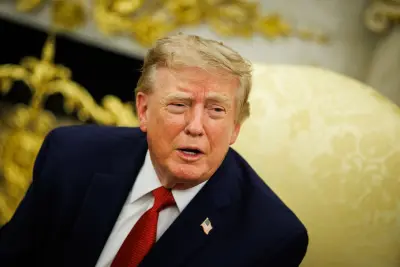
Major oil-producing nations in the Gulf are facing a massive economic crisis due to the ongoing conflict between the United States, Israel, and Iran. The closure of the Strait of Hormuz has stopped the flow of oil and gas, leaving countries like Saudi Arabia and the UAE unable to export their main resources. These nations are now reaching out to President Donald Trump for urgent help to stop a financial collapse that is affecting the entire world.
Main Impact
The most significant result of this conflict is the total disruption of the global energy market. Because the Strait of Hormuz is blocked, the supply of oil and gas to Europe and Asia has almost stopped. This has caused prices to jump to levels not seen since the start of the war in Ukraine in 2022. For the Gulf nations, the impact is even worse because their entire economies depend on selling these fuels to other countries.
Key Details
What Happened
The military tension between the administration of Donald Trump, the government of Benjamin Netanyahu in Israel, and the leadership in Iran has reached a breaking point. As part of this struggle, the Strait of Hormuz has been closed. This waterway is the only path for ships carrying oil out of the Persian Gulf. Without this route, the world’s biggest oil exporters are stuck with products they cannot sell, while the rest of the world faces a shortage.
Important Numbers and Facts
Six main countries are currently suffering the most from this blockade: Saudi Arabia, the United Arab Emirates (UAE), Iraq, Kuwait, Qatar, and Bahrain. These nations are historical allies of the United States, yet they find themselves caught in the middle of a war led by the U.S. government. The "double closure" of the strait means that neither side is allowing commercial ships to pass safely, effectively killing trade in the region.
Background and Context
To understand why this is so serious, one must look at how the world gets its energy. The Strait of Hormuz is a narrow stretch of water that connects the Persian Gulf to the open ocean. About one-fifth of the world's total oil supply passes through this point. If it stays closed for a long time, global gas prices will continue to rise, making it expensive for people to drive cars, heat homes, or run factories. The Gulf states, often called petro-monarchies, use the money from oil to pay for everything in their countries. Without that money, they face internal protests and poverty.
Public or Industry Reaction
Leaders from the affected Gulf nations have expressed deep concern. While they often support U.S. foreign policy, they feel they are being treated as "hostages" in this specific war. Industry experts warn that if the shipping lanes do not open soon, the global economy could enter a deep recession. In Europe and Asia, governments are already seeing public anger as energy bills double or triple in a matter of weeks. The message from the Gulf to Washington is clear: the current strategy is hurting friends as much as it is hurting enemies.
What This Means Going Forward
The next few weeks will be critical for the global economy. President Trump faces a difficult choice. He can continue the military pressure on Iran, or he can listen to his allies and find a way to reopen the shipping routes. If the blockade remains, the Gulf states may be forced to look for new partners, such as China or Russia, to help protect their interests. There is also the risk that the economic pain will lead to political instability within the Middle East, creating even more problems for the international community.
Final Take
The current situation shows how connected the world is through energy. A war in one region can quickly turn into a financial disaster for everyone else. While the U.S. and Israel aim to change the political situation in Iran, the cost of doing so is being paid by their own allies and consumers worldwide. Without a quick solution to open the Gulf, the economic damage may last much longer than the war itself.
Frequently Asked Questions
Why is the Strait of Hormuz so important?
It is the most important oil transit point in the world. Most of the oil from Saudi Arabia, Iraq, and the UAE must pass through this narrow waterway to reach global markets.
Which countries are asking for help?
The main countries asking for help are Saudi Arabia, the UAE, Kuwait, Qatar, Iraq, and Bahrain. They are all major energy exporters located in the Persian Gulf.
How does this affect regular people?
When oil cannot move through the Gulf, the global supply drops. This makes the price of gasoline and electricity go up for people in every country, leading to higher costs for food and transport.