
Summary
Ships with links to Iran are still moving through the Strait of Hormuz despite a heavy naval blockade by the United States. While overall ship traffic in the area has dropped significantly, some vessels are finding ways to bypass security checks and patrols. This situation is creating a high-stakes game of hide-and-seek in one of the world’s most important paths for oil transport. Both American and Iranian forces have increased their presence, leading to slower travel times and constant tension for commercial sailors.
Main Impact
The primary impact of this standoff is the disruption of global energy supplies. The Strait of Hormuz is a narrow waterway that connects oil producers in the Middle East to markets in Europe, Asia, and North America. When ships are blocked or delayed, the cost of shipping goes up, which can eventually lead to higher gas prices for people around the world. Furthermore, the use of electronic interference to hide ship locations makes the waters more dangerous for everyone. If a ship cannot be seen on radar or tracking systems, the risk of accidents and collisions increases, threatening both human lives and the environment.
Key Details
What Happened
In recent weeks, the United States military has stepped up efforts to stop certain ships from moving through the region. These ships are often suspected of carrying Iranian oil or goods in violation of international trade rules. To counter this, these vessels are using new routes and clever tactics to avoid being caught. Some ships are sailing very close to the coastlines of other countries, while others are moving in groups to make it harder for patrol boats to stop them all at once. Both sides are now accusing each other of making the waterway unsafe for international trade.
Important Numbers and Facts
The Strait of Hormuz is only about 21 miles wide at its narrowest point, but it carries roughly 20% to 30% of the world's total oil supply every day. Recent reports show that the number of ships passing through has fallen by nearly 40% compared to the same time last year. This is because many shipping companies are afraid of their vessels being seized or caught in the middle of a conflict. Additionally, maritime experts have noticed a sharp increase in "dark" ships—vessels that turn off their tracking systems. In the last month alone, over 50 ships were reported to have disabled their GPS signals while passing through the area to avoid being tracked by the US Navy.
Background and Context
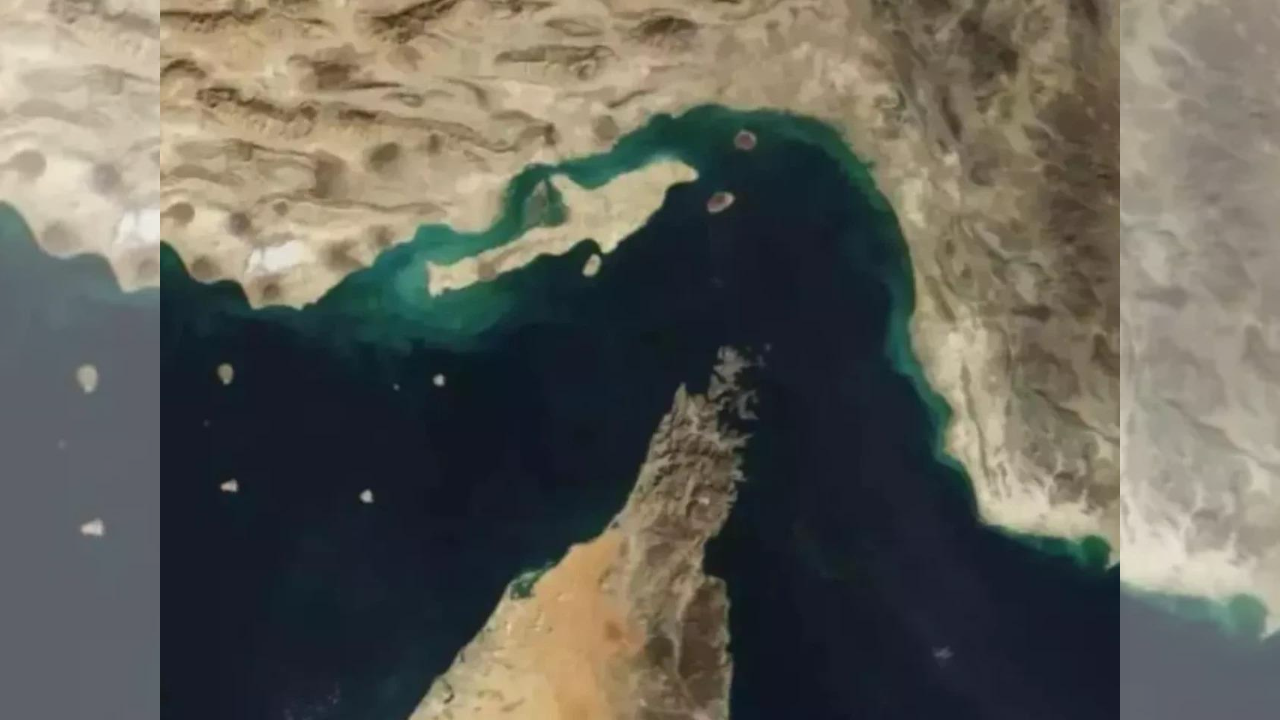
The Strait of Hormuz has been a point of conflict for many decades. It is a "choke point," which means it is a narrow place that can easily be blocked to stop trade. Iran sits on the northern coast of the strait, while Oman and the United Arab Emirates are to the south. Because so much of the world's energy passes through this small gap, any country that controls it has a lot of power over the global economy. The United States maintains a naval presence there to ensure that ships can move freely, but Iran views this presence as a threat to its own security and territory. This disagreement is what leads to the frequent blockades and military standoffs we see today.
Public or Industry Reaction
Global shipping companies are expressing deep concern over the current situation. Many have started hiring private security teams to stay on their ships, while others are taking much longer routes around Africa to avoid the Middle East entirely. This adds weeks to their travel time and costs millions of dollars in extra fuel. Insurance companies have also raised their prices for ships traveling through the strait, making it much more expensive to do business in the region. Meanwhile, political leaders in oil-importing countries are calling for a peaceful solution to prevent a major spike in energy costs that could hurt their economies.
What This Means Going Forward
Looking ahead, the situation remains very unstable. If Iran-linked ships continue to find ways around the blockade, the US may decide to use even stricter measures, such as boarding more vessels or using more advanced technology to track them. On the other hand, if the blockade becomes too tight, Iran might respond by trying to close the strait completely, which would be a major crisis for the whole world. Technology will play a big role in the coming months. We can expect to see more use of drones and satellite imaging to find ships that have turned off their tracking devices. The goal for the international community is to find a way to keep the water open for trade without the situation turning into a full-scale military conflict.
Final Take
The struggle for control over the Strait of Hormuz shows how fragile the global trade system can be. Even with the most powerful navy in the world trying to enforce a blockade, ships are finding ways to move through the shadows. This ongoing tension highlights the need for better international cooperation to keep sea routes safe and open for everyone. Until a political agreement is reached, the strait will remain a place of high risk and high cost for the global economy.
Frequently Asked Questions
Why is the Strait of Hormuz so important?
It is the main route for oil coming out of the Middle East. About one-fifth of the world's oil passes through this narrow waterway, making it vital for global energy prices.
How do ships hide from the US blockade?
Ships often turn off their Automatic Identification System (AIS), which is like a GPS for boats. They also use electronic signals to trick radars into thinking they are in a different location.
Is it legal to block ships in the strait?
International law generally says that ships should have "innocent passage" through such waterways. However, countries often use security concerns or trade sanctions as a reason to stop and check vessels they find suspicious.

