Summary
The United States and Iran are reportedly moving toward a new round of diplomatic talks despite a recent military clash in the Middle East. On Sunday, the U.S. Navy intercepted an Iranian-flagged vessel in the Strait of Hormuz, causing fresh tension in the region. This incident has led to a major slowdown in ship traffic through one of the world's most important oil routes, even as both nations signal a desire to negotiate.
Main Impact
The immediate effect of this military action is a near-total standstill in the Strait of Hormuz. This narrow waterway is a vital path for global energy, and any disruption there sends shockwaves through the world economy. While Iran had recently suggested it might stop its weeks-long blockade, the latest confrontation has caused shipping companies to pull back out of fear for their safety.
Key Details
What Happened
On Sunday, April 19, the United States Navy boarded and intercepted a ship flying the Iranian flag. The operation took place in the Strait of Hormuz, a highly contested area. This move followed weeks of high tension where Iran had been limiting the movement of ships in the area. Although the U.S. described the move as a necessary security measure, it immediately stopped the progress that had been made toward clearing the waterway for trade.
Important Numbers and Facts
The drop in ship traffic has been sudden and dramatic. According to data from Kpler, a company that tracks sea trade, only three ships passed through the Strait on Monday. This is a massive decrease from Saturday, when 24 ships moved through the area. Saturday’s high volume was caused by an announcement from Tehran that it was ready to lift its unofficial blockade. Now, that progress has been reversed.
The Strait of Hormuz is often called a "chokepoint" because it is so narrow. About 25% of all the world's oil and liquefied natural gas passes through this single point. When traffic stops here, energy prices in Europe, Asia, and North America can rise quickly.
Background and Context
To understand why this matters, it is important to know that the U.S. and Iran have been in a "shadow war" for a long time. This involves small attacks, ship seizures, and cyber warfare rather than a full-scale traditional war. Recently, this conflict has grown to include Israel, making the situation in the Middle East even more complicated.
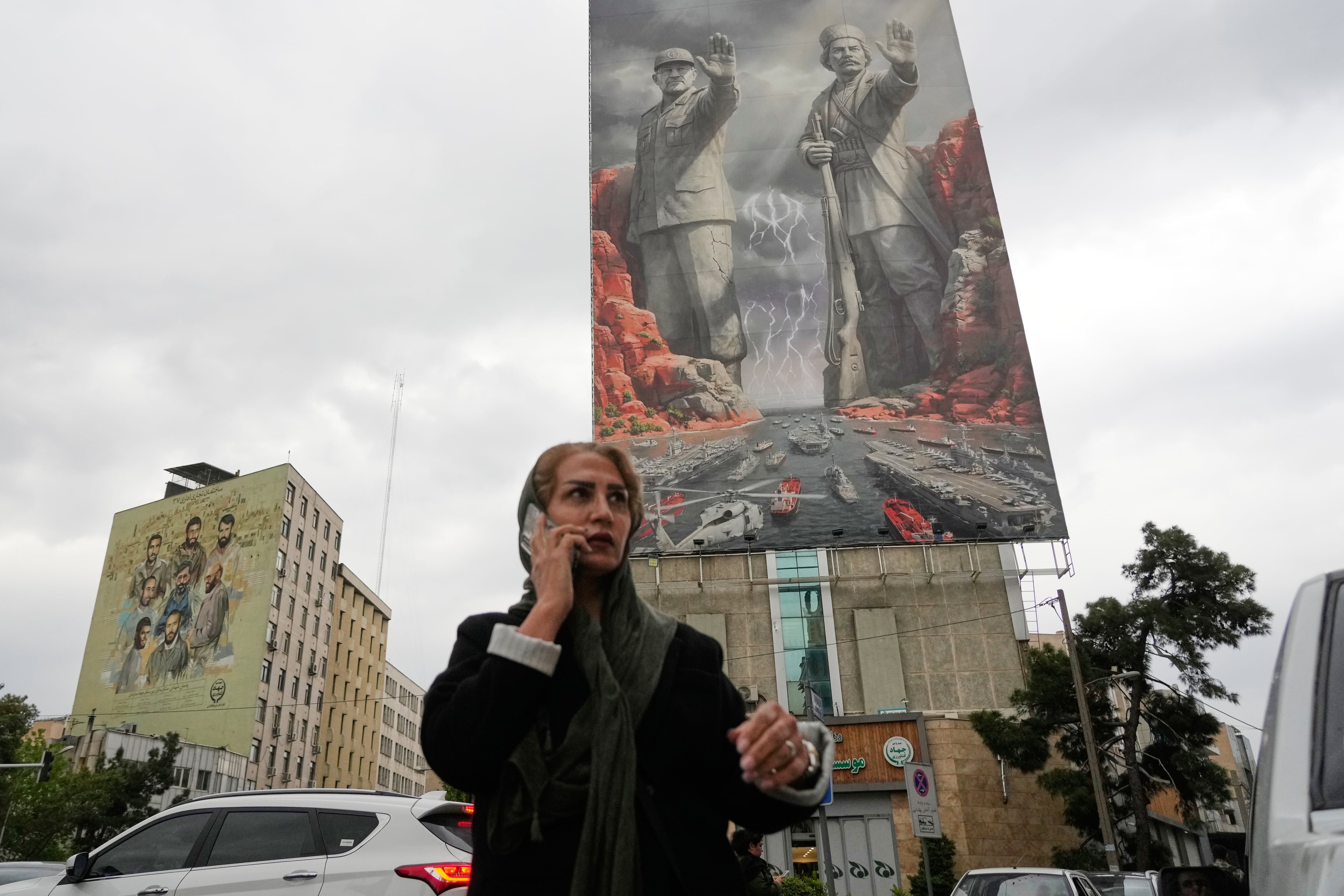
For the past several weeks, Iran has used its navy to block or slow down ships in the Strait. They do this to show their power and to pressure Western countries during political arguments. The U.S. maintains a strong military presence in the area to protect trade ships and ensure that oil can reach the global market. When these two forces meet, the risk of a mistake leading to a larger fight is very high.
Public or Industry Reaction
The shipping industry is currently on high alert. Many companies are choosing to keep their vessels anchored in safe waters rather than risking a trip through the Strait. This caution is what led to the low number of crossings on Monday. Global energy markets are also watching the situation closely. If the Strait remains blocked for more than a few days, the cost of gasoline and heating oil could increase for consumers worldwide.
On the political side, diplomats are working behind the scenes. Despite the gunfire and ship seizures, representatives from both countries are trying to find a way to meet. This shows that both Washington and Tehran may be tired of the constant fighting and are looking for a way to lower the temperature without looking weak to their own citizens.
What This Means Going Forward
The next few days will be critical for both the economy and international relations. If the U.S. and Iran can successfully start a new round of talks, it might lead to a formal agreement to keep the Strait of Hormuz open. This would stabilize oil prices and reduce the chance of a larger war. However, if more ships are seized or if there are more shots fired, the diplomatic path could disappear.
Investors and world leaders are looking for signs of "de-escalation," which means both sides stepping back. The fact that talks are still being discussed after a military incident is a rare sign of hope, but the situation remains very fragile.
Final Take
The situation in the Strait of Hormuz shows how easily global trade can be disrupted by regional politics. While the military clash on Sunday was a setback, the continued push for diplomacy suggests that neither side wants a total collapse of order. The world now waits to see if words can replace weapons in one of the most dangerous waterways on Earth.
Frequently Asked Questions
Why is the Strait of Hormuz so important?
It is the main exit for oil coming out of the Persian Gulf. One-quarter of the world's oil and gas trade goes through this narrow point, making it essential for global energy supplies.
Why did the U.S. intercept an Iranian ship?
The U.S. Navy intercepted the vessel as part of an effort to maintain security in the region following weeks of Iranian interference with international shipping traffic.
Are the U.S. and Iran going to war?
While there have been military clashes, both countries are currently trying to organize a new round of diplomatic talks to prevent the situation from turning into a full-scale war.