Summary
Iran has officially announced that the Strait of Hormuz will remain fully open for international shipping. This decision is tied to a temporary ceasefire agreement with the United States that is currently in effect. The move follows a new truce in Lebanon and has led to a quick drop in global oil prices. While the waterway is open for now, the situation remains tense as the United States continues its naval blockade of Iranian ports.
Main Impact
The decision to keep the Strait of Hormuz open has brought immediate relief to the global energy market. As one of the most important sea routes for oil and gas, any threat to this area usually causes prices to jump. Since the announcement, oil prices have decreased significantly, easing fears of a global energy crisis. However, the impact is limited by the fact that the United States is still blocking Iranian ports, which prevents Iran from exporting its own goods freely.
Key Details
What Happened
On Friday, the Iranian government confirmed that the Strait of Hormuz would stay "totally open" until the end of the current ceasefire with the United States. This announcement is a direct result of diplomatic shifts in the region, specifically the start of a truce between Israel and Lebanon. Iran is using the opening of the strait as a sign of good faith during ongoing negotiations, though they have made it clear that this status depends on how talks progress over the coming days.
Important Numbers and Facts
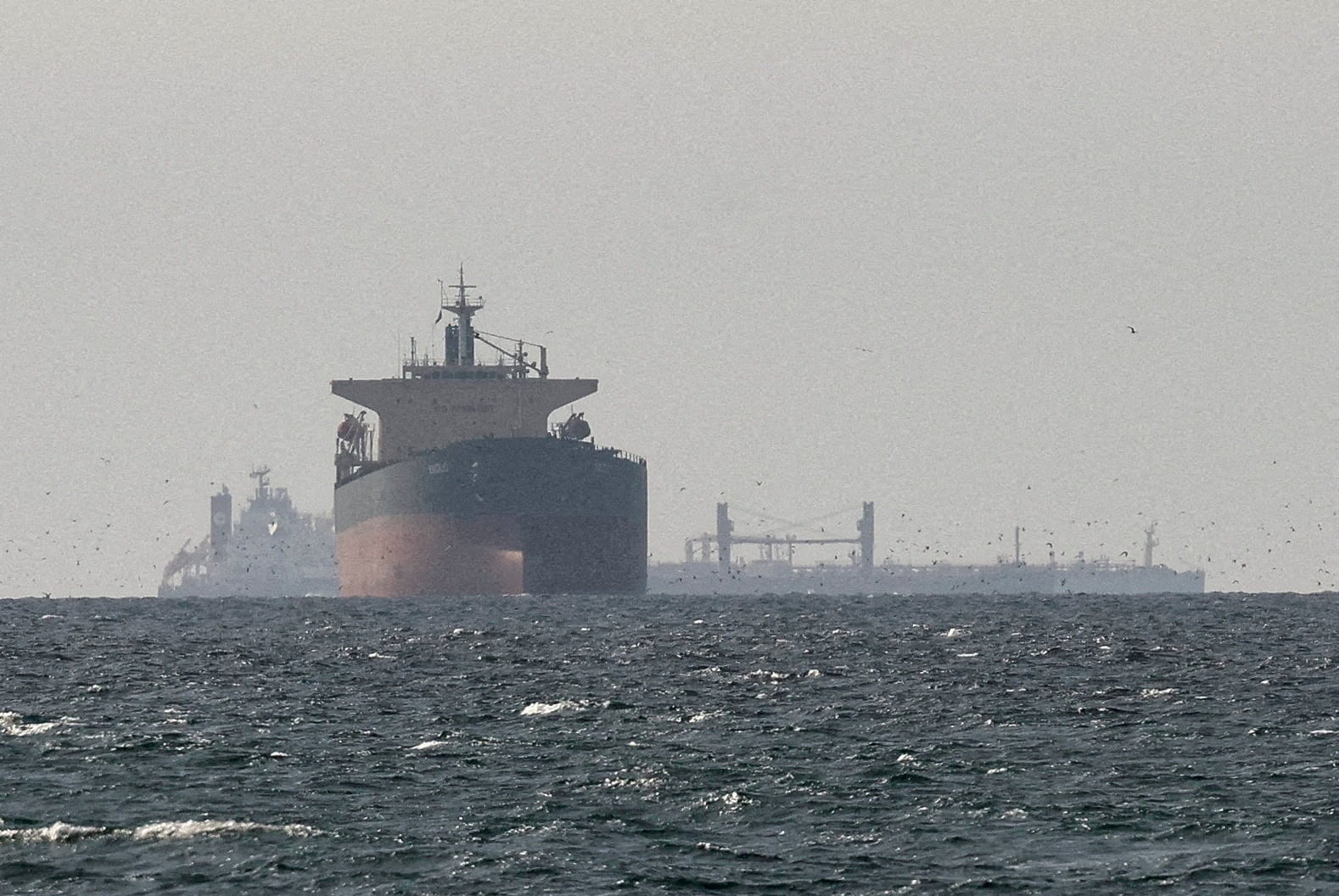
The current ceasefire is scheduled to last until next Wednesday. This window of time allows for high-level negotiations to take place over the weekend. The Strait of Hormuz is a narrow stretch of water where about 20% of the world's total oil consumption passes every day. Because so much energy moves through this single point, even a few days of uncertainty can change global fuel prices. The recent 10-day truce announced by the U.S. administration regarding Lebanon was the main trigger for this temporary opening.
Background and Context
The Strait of Hormuz is a vital path located between Iran and Oman. It connects the Persian Gulf with the Gulf of Oman and the Arabian Sea. For decades, it has been a flashpoint for international conflict. Iran has often threatened to close the strait whenever it faces heavy sanctions or military pressure from Western nations. Closing the strait would effectively cut off the oil supply from major producers like Saudi Arabia, Kuwait, and the United Arab Emirates.
The current tension is part of a larger disagreement between the United States and Iran. Recently, the U.S. has increased its naval presence in the region to enforce a blockade on Iranian trade. Iran’s decision to keep the strait open is seen as a strategic move to lower the temperature and see if the U.S. is willing to ease some of its own restrictions during the weekend talks.
Public or Industry Reaction
Financial markets responded almost instantly to the news. Stock markets in many countries saw a slight boost, and energy traders expressed a sense of relief. Industry experts had been worried that a total closure of the strait would lead to record-high gas prices at the pump for everyday drivers. While the news is positive, many shipping companies remain cautious. They are keeping a close eye on the U.S. naval blockade, as the presence of warships in the area still makes commercial shipping more difficult and expensive due to high insurance costs.
What This Means Going Forward
The next few days are critical for the region. If the negotiations this weekend are successful, the ceasefire could be extended, and the Strait of Hormuz might stay open for a longer period. However, if the talks fail, there is a high risk that Iran could move to restrict the waterway again. The biggest hurdle remains the U.S. naval blockade. Iran wants the blockade lifted to help its struggling economy, while the U.S. wants guarantees that Iran will stop certain military activities. Until these two sides find a middle ground, the opening of the strait should be seen as a temporary measure rather than a permanent solution.
Final Take
The reopening of the Strait of Hormuz is a positive step that prevents an immediate global economic shock. It shows that diplomacy still has a chance to work, even when tensions are at their highest. However, the underlying problems between Iran and the United States have not been solved. The world will be watching the results of the upcoming weekend negotiations to see if this brief period of calm can turn into a lasting peace or if the region will return to a state of crisis by next Wednesday.
Frequently Asked Questions
Why is the Strait of Hormuz so important?
It is the world's most important oil transit point. A large portion of the world's oil and liquefied natural gas passes through this narrow waterway, making it essential for global energy stability.
How long will the strait stay open?
According to the Iranian government, it will remain open at least until next Wednesday, which is when the current ceasefire with the United States is set to end.
Is the U.S. blockade still happening?
Yes. While the strait is open for international ships to pass through, the United States is still maintaining a naval blockade on Iranian ports, preventing Iran from conducting its own international trade.