Summary
Iran has announced it will keep the Strait of Hormuz fully open during a temporary truce with Israel. This decision led to a major shift in global markets, with oil prices dropping by nearly 10% while stock markets moved upward. Despite this opening, the United States plans to continue its blockade of Iranian ships until a permanent peace agreement is reached. Meanwhile, Israel maintains a military presence in southern Lebanon, where thousands of displaced people are now trying to return to their homes.
Main Impact
The most immediate impact of this announcement is felt in the global economy. The Strait of Hormuz is one of the most important water passages in the world for shipping oil. When Iran promised to keep it open, the fear of a global energy shortage decreased quickly. This caused oil prices to crash, providing some relief to international markets that have been worried about rising costs due to the conflict.
Key Details
What Happened
Iranian Foreign Minister Abás Araghchi confirmed that Tehran would guarantee safe passage through the Strait of Hormuz during the current ceasefire. This move is seen as an attempt to lower tensions and show a willingness to negotiate. However, the situation on the ground remains complicated. Israel’s Defense Minister, Israel Katz, stated that his country’s military will not leave the areas it currently occupies. This includes a 10-kilometer wide strip of land in southern Lebanon. Israel claims it needs to stay there during the 10-day truce to finish destroying military infrastructure and homes used by armed groups.
Important Numbers and Facts
- 10 Percent: The approximate drop in global oil prices following the announcement.
- 10 Kilometers: The depth of the buffer zone in southern Lebanon where Israeli troops remain stationed.
- 10 Days: The length of the current temporary truce between the involved parties.
- Strait of Hormuz: A vital shipping lane that handles about a fifth of the world's total oil consumption.
Background and Context
The conflict between Israel, the United States, and Iran has created deep instability across the Middle East. For months, the threat of closing the Strait of Hormuz has been used as a tool of pressure. Because so much of the world's oil passes through this narrow point, any threat to close it usually makes gas and energy prices go up everywhere. The current truce is a fragile attempt to stop the fighting, but the underlying issues remain. The United States continues to use economic pressure, such as ship blockades, to force Iran into a long-term peace deal that includes strict rules on its military activities.
Public or Industry Reaction
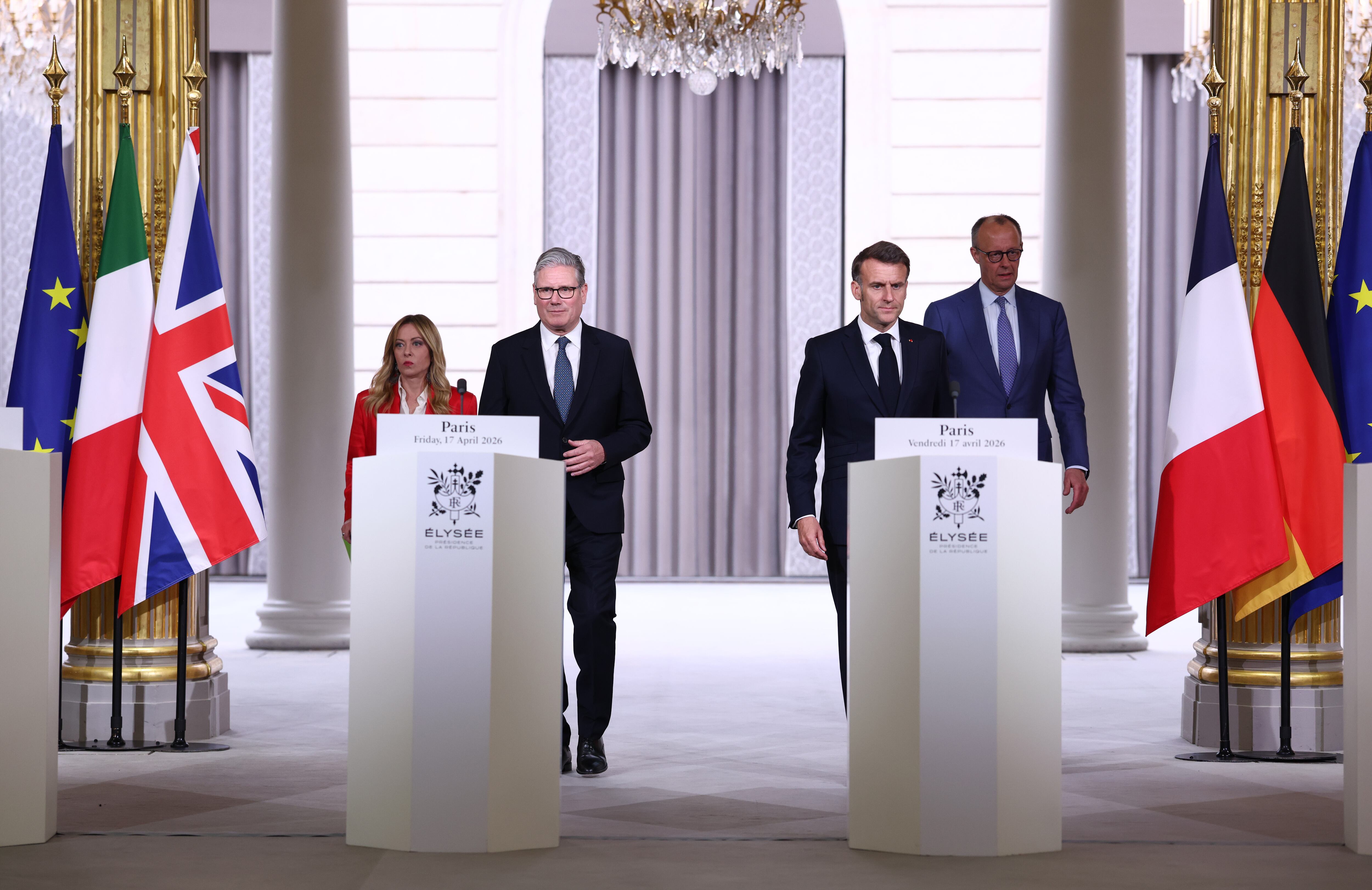
French President Emmanuel Macron has expressed a mix of hope and caution. Speaking at a security summit in Paris, Macron warned that the Strait of Hormuz must remain an international waterway. He stated that he would not accept the "privatization" of the strait, meaning no single country should have total control over who can pass through it. He urged all leaders to be careful and not assume the crisis is over just because of one announcement.
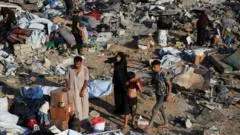
In Lebanon, the reaction is more personal. Thousands of families who fled the fighting are now trying to drive back to their villages. However, many are finding their homes destroyed. The presence of Israeli troops in the southern border zone makes the return dangerous and uncertain for many civilians.
What This Means Going Forward
The next ten days will be a critical test for the region. If the Strait of Hormuz stays open without any incidents, it could lead to more permanent talks. However, the US blockade on Iranian ships shows that Washington is not ready to give up its leverage yet. The biggest risk remains the situation in southern Lebanon. If the Israeli military continues to destroy buildings during the truce, it could provoke a fresh round of fighting that ends the ceasefire early. Investors will be watching oil prices closely to see if this market drop lasts or if prices jump back up due to new violence.
Final Take
While the opening of a major shipping route is good news for the global economy, the peace is very thin. The mixed signals from different world powers show that a true end to the war is still far away. For now, the world is seeing a brief moment of economic relief, but the military reality on the ground in Lebanon and the ongoing US blockade suggest that the path to a final agreement will be long and difficult.
Frequently Asked Questions
Why is the Strait of Hormuz so important?
It is a narrow water passage that connects oil producers in the Middle East to the rest of the world. A large portion of the world's oil travels through this route, so any disruption affects global energy prices.
Is the war between Israel and Iran over?
No, there is currently a 10-day truce. While fighting has slowed down, both sides still have military forces in high-alert positions, and a permanent peace deal has not been signed yet.
Why are oil prices falling?
Oil prices fell because Iran promised not to block shipping. When traders feel that oil will continue to flow safely, the price goes down because there is less risk of a shortage.