Summary
Government officials have identified village-level panels as the most important tool for stopping child labor. These local committees are made up of people who live in the community and know the families personally. By moving the focus from big city offices to small villages, the government hopes to find and help children who are working instead of going to school. This strategy aims to create a local safety net that protects children from being forced into hard work at a young age.
Main Impact
The decision to put more power into the hands of village panels changes how the country fights child labor. Instead of waiting for a law to be broken and then sending the police, these panels work to prevent the problem before it starts. This shift means that the responsibility for child safety now belongs to the whole community. When local leaders and neighbors take charge, it becomes much harder for employers to hide the fact that they are using child workers. This approach helps keep kids in the classroom, which is the best way to help them have a better life in the future.
Key Details
What Happened
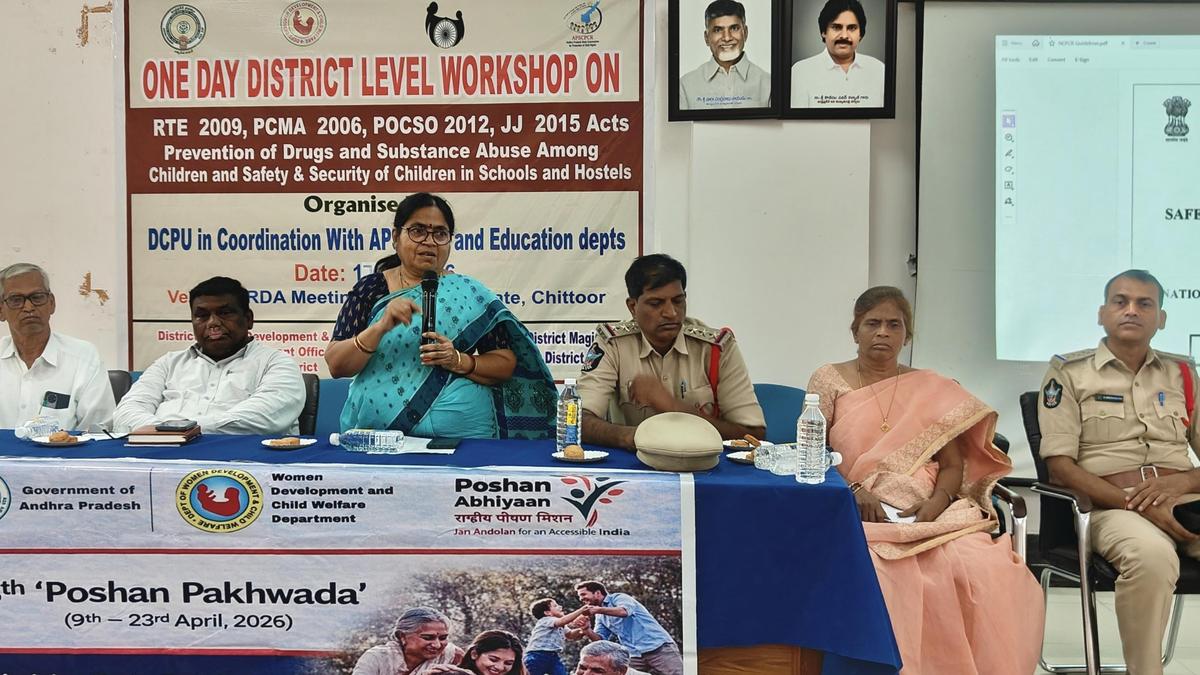
A senior government official recently spoke about the success of local child protection groups. These groups, often called Village Child Protection Committees, are being set up in thousands of rural areas. The official explained that these panels are effective because they are always present. Unlike government inspectors who might only visit a village once a year, these panel members live there. They can see if a child stops going to school or if a new business starts hiring young workers. The official urged every village to treat child labor as a serious issue that hurts the growth of the entire community.
Important Numbers and Facts
Recent data shows that child labor is most common in places where there is very little monitoring. In areas where village panels are active, school attendance has gone up by a significant margin. These panels usually consist of five to seven members, including the village head, a local teacher, and at least one parent. Their job is to meet once a month to discuss the welfare of every child in the area. They keep a list of all children under the age of 14 and check that they are enrolled in school. If a child is missing from class for more than a few days, the panel visits the home to find out why.
Background and Context
Child labor is a complex problem that is often tied to poverty. In many rural areas, families struggle to make enough money for food. Because of this, parents sometimes feel they have no choice but to send their children to work on farms or in small workshops. While there are laws against this, enforcing them in remote areas is very difficult. Big government agencies often lack the staff to check every small village. This is why local panels are so important. They understand the specific struggles of the families in their village. They can offer help, such as connecting families with government aid, so that the children do not have to work to help the family survive.
Public or Industry Reaction
Many social workers and non-profit groups have welcomed this focus on local action. They believe that people in the village are more likely to listen to a teacher or a neighbor than a stranger from the city. However, some experts have raised concerns. They point out that village panels need proper training to handle these situations safely. Sometimes, the people hiring children are powerful members of the community. Without strong support from the police and higher government offices, local panel members might feel scared to report these cases. There is a call for the government to provide more funding and protection for these local volunteers.
What This Means Going Forward
The government plans to expand the number of village panels across the country over the next two years. There will be new training programs to teach panel members how to talk to parents about the importance of education. The government also wants to link these panels with local schools so that attendance records are shared instantly. If this plan works, it could lead to a future where child labor is completely removed from rural areas. The next step is to ensure that these committees have a direct line to talk to senior officials if they run into problems they cannot solve on their own.
Final Take
Laws alone cannot end child labor. It takes a community that cares about its children to make a real change. By giving village panels the tools and authority to act, the government is making child protection a local priority. This move recognizes that the people closest to the problem are often the ones best equipped to solve it. Protecting a child's right to go to school is a job for everyone, and these village committees are leading the way toward a better future for the next generation.
Frequently Asked Questions
What is a village child protection panel?
It is a group of local people, such as teachers and village leaders, who work together to make sure every child in their village is safe and attending school instead of working.
Why are local panels better than government inspectors?
Local panels live in the community and can monitor the situation every day. They know the families and can spot problems much faster than an inspector who only visits occasionally.
How do these panels help families who are very poor?
The panels can help families access government support and school programs. By helping parents find other ways to get money or food, the panels make it possible for children to stay in school.