
Summary
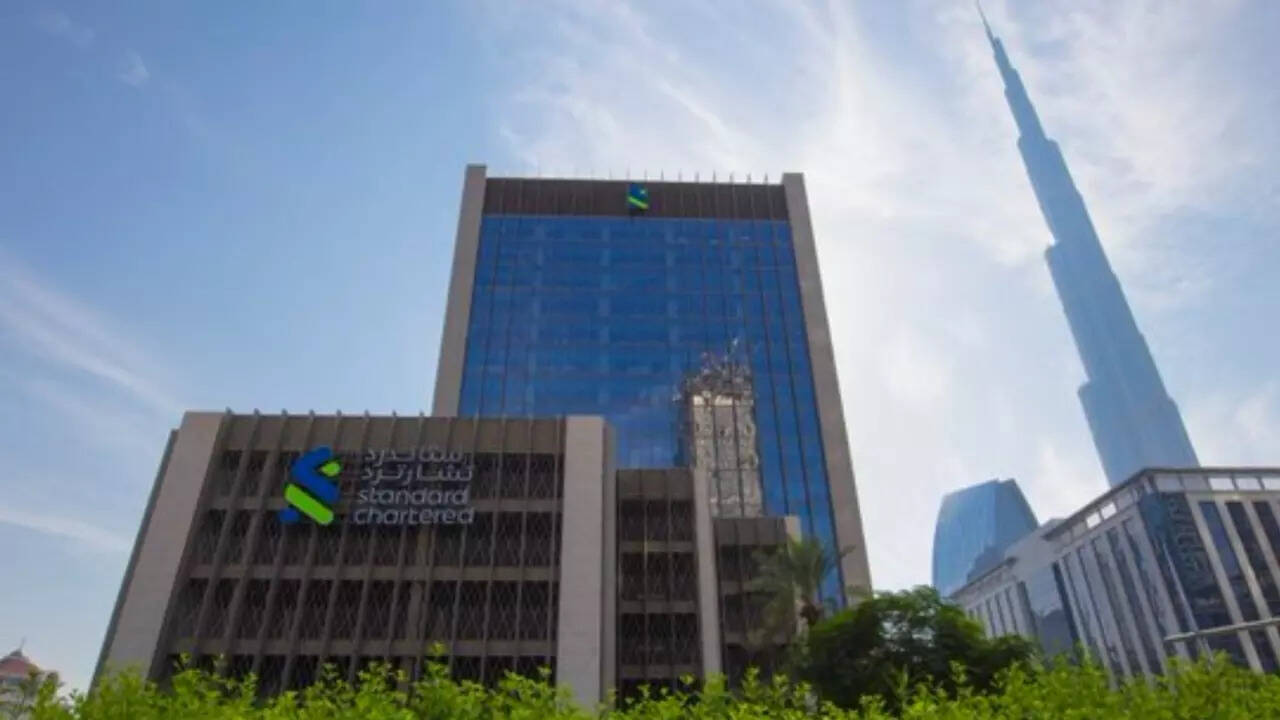
Standard Chartered bank recently addressed rumors regarding the evacuation of its main office in Dubai. The bank clarified that it has not shut down its operations but has instead extended work-from-home options for its employees. This decision was made as a safety measure due to the growing tension between Iran, the United States, and Israel. While social media reports suggested a sudden exit, the bank confirmed that its business in the region remains fully active and stable.
Main Impact
The main impact of this news is the sense of caution it brings to the Middle East financial sector. When a major global bank like Standard Chartered changes its daily routine, it sends a signal to the rest of the market. This move highlights how sensitive global businesses are to political events in the region. By allowing staff to work remotely, the bank is trying to balance the safety of its workers with the need to keep financial services running for its customers.
Key Details
What Happened
In recent days, rumors began to spread online suggesting that Standard Chartered was quickly evacuating its staff from its Dubai headquarters. These reports caused concern among investors and the local community. However, the bank quickly issued a statement to set the record straight. They explained that they are simply using existing remote work policies to keep people safe. This is not a permanent move or a sign that they are leaving the city. Instead, it is a temporary adjustment to how they work during a period of high regional tension.
Important Numbers and Facts
Standard Chartered is one of the largest international banks operating in the United Arab Emirates. Dubai serves as a central point for its business across Africa and the Middle East. While the bank did not give specific numbers on how many employees are working from home, thousands of people work in the city's financial district. The bank's decision follows similar steps taken by other large financial firms in the area. These companies are all watching the situation between Iran and its rivals very closely to ensure their staff stay out of harm's way.
Background and Context
To understand why this matters, we have to look at the role of Dubai. For many years, Dubai has been a safe place for international companies to do business. It is known as a global financial hub, similar to London or New York. However, the Middle East is currently facing a difficult political situation. Tensions between Iran and the United States, along with Israel, have increased. When these countries have disagreements, it can create uncertainty for businesses located nearby.
In the past, banks have used work-from-home rules during health crises or local emergencies. Using these same rules for political reasons is a way for companies to stay flexible. It allows them to keep their systems running even if people cannot easily get to the office. This strategy helps prevent a total stop in business, which would be much worse for the economy.
Public or Industry Reaction
The reaction from the financial industry has been one of careful observation. Other banks in Dubai have not all followed the exact same path, but many have updated their safety plans. Financial experts say that these rumors often spread faster than the truth on social media. This can cause unnecessary worry for the public. Industry leaders are encouraging people to look at official statements rather than viral posts. Most experts agree that the UAE remains a strong and secure place for business, even when regional tensions rise.
What This Means Going Forward
Going forward, we can expect to see more companies using flexible work plans as a tool for safety. This situation shows that the "office" is no longer just a physical building. As long as the internet and banking systems are secure, work can happen from anywhere. The next steps for Standard Chartered will likely depend on how the political situation changes. If things calm down, employees will probably return to the office full-time. If tensions stay high, the bank might keep these remote work measures in place for a longer period.
This event also serves as a reminder for other global cities. It shows that being a financial hub requires more than just tall buildings; it requires strong plans to handle unexpected events. Dubai will likely continue to work hard to show the world that it is a stable place for international investment, regardless of what is happening in neighboring countries.
Final Take
Standard Chartered is taking a smart and careful approach by prioritizing the safety of its team. By clarifying that they are not evacuating but simply working differently, they have helped calm the market. The bank's commitment to staying active in Dubai shows that the city remains a vital part of the global financial system. While the world watches the political situation, the focus for these businesses remains on keeping the economy moving and keeping their people safe.
Frequently Asked Questions
Did Standard Chartered leave Dubai?
No, the bank has not left Dubai. It has only extended work-from-home measures for its staff as a safety precaution due to regional tensions. Its business operations remain active.
Why were there rumors about an evacuation?
Rumors often spread on social media during times of political conflict. In this case, the bank's decision to let more people work from home was misunderstood by some as a sign of a total evacuation.
Are other banks in the UAE closing?
No major banks have reported closing. Many are simply reviewing their safety protocols and allowing flexible work options to ensure their employees are safe during the current period of uncertainty.

