
Summary
A new report shows that spinach remains the fruit or vegetable with the most pesticide traces in the United States. For the second year in a row, it took the top spot on the "Dirty Dozen" list, which tracks chemicals found on non-organic produce. While health groups warn people to be careful, farmers argue that these reports make people afraid of healthy food. This debate is important because it affects how families shop for groceries and what they choose to eat.
Main Impact
The latest findings from the Environmental Working Group (EWG) have a direct effect on how people view the safety of their food. By labeling certain fruits and vegetables as "dirty," the report pushes many shoppers toward organic options. However, organic food is often much more expensive than regular produce. This creates a difficult choice for families on a budget. If people become too worried about pesticides, they might stop eating fresh vegetables altogether, which could lead to other health problems caused by a poor diet.
Key Details
What Happened
The EWG released its annual "Dirty Dozen" list for 2026, highlighting the types of produce that have the highest levels of leftover pesticides. To create this list, the group looks at data from the United States Department of Agriculture (USDA). The USDA tests thousands of samples of fruits and vegetables every year. Before testing, the researchers wash the produce for about 15 to 20 seconds, just like a person would do at home. Even after this washing, many chemicals remain on the skin or inside the plants.
Important Numbers and Facts
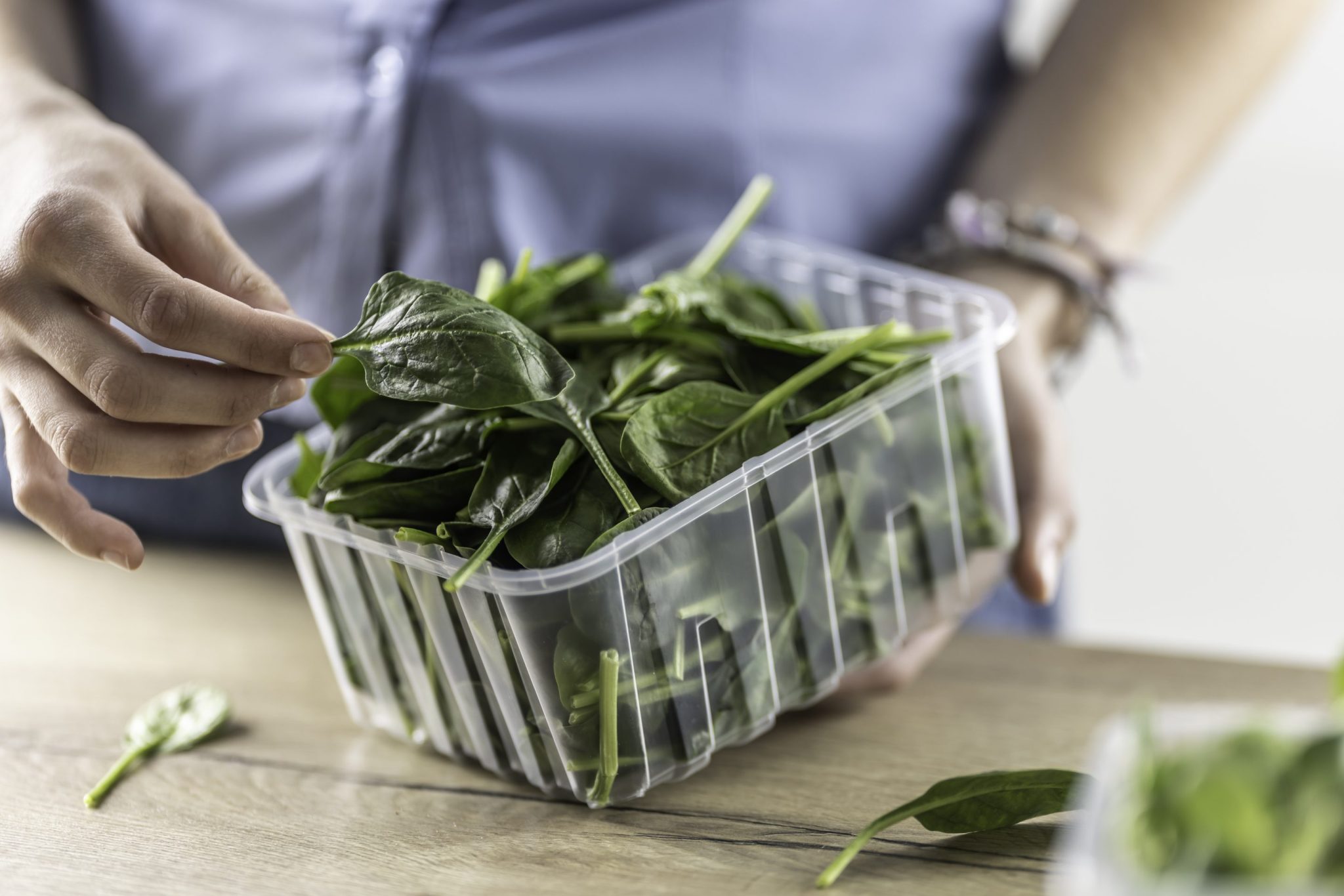
The data for spinach is particularly striking. In the most recent tests, the USDA looked at 642 samples of regular spinach. On average, each sample had traces of seven different pesticides. In some cases, a single sample of spinach had as many as 19 different chemicals or chemical byproducts. Following spinach on the list are kale, collard greens, and mustard greens. Other items that ranked high for pesticide traces include strawberries, grapes, and nectarines. The EWG notes that while they update the list every year, the USDA does not test every single crop every year. For example, the current data for spinach actually comes from tests done in 2016.
Background and Context
The "Dirty Dozen" list has been published every year since 2004. Its goal is to help people understand which foods might have the most chemicals so they can choose organic versions if they want to. Pesticides are chemicals used on farms to kill bugs and weeds that might damage crops. While these chemicals help farmers grow more food, many people worry about how they affect human health over a long period. The EWG suggests that if you cannot afford organic versions of everything, you should at least try to buy organic versions of the items on the "Dirty Dozen" list. For other items, like onions or avocados, pesticide levels are usually much lower, so buying regular versions is considered safer.
Public or Industry Reaction
Farmers and food industry groups are not happy with the report. The Alliance for Food and Farming (AFF), which represents both regular and organic farmers, says the list is unfair. They claim the report "villainizes" healthy food that is safe to eat. According to the AFF, more than 99% of the produce tested by the government has pesticide levels that are well below the safety limits set by the Environmental Protection Agency (EPA). They argue that the traces found are so small that they do not pose a risk to humans.
These groups are also worried about the impact on public health. They point to a study from the Centers for Disease Control and Prevention (CDC) showing that only one in ten adults in the U.S. eats enough fruits and vegetables. If people are scared of pesticides, they might eat even fewer greens. A recent survey showed that consumers are split on the issue. About 29% of people believe the health benefits of eating vegetables are worth the small risk of pesticides, but 30% of people disagree and remain worried about the chemicals.
What This Means Going Forward
The debate over food safety is likely to continue as more people focus on healthy living. For shoppers, the best advice remains to wash all produce thoroughly, even if it is organic. Rinsing fruits and vegetables under running water can remove some of the surface chemicals and dirt. For those who are very concerned about pesticides but find organic food too expensive, frozen or canned versions can sometimes be a better choice. Experts also suggest looking at the "Clean Fifteen," which is a list of produce with the lowest pesticide levels, to help balance a grocery budget. In the future, there may be more pressure on the government to update its testing more frequently so that the data is not several years old.
Final Take
While the "Dirty Dozen" list highlights concerns about chemicals in our food, it is important to remember that eating any vegetables is better than eating none at all. The key is to stay informed and use the best cleaning methods possible. Whether you choose organic or regular produce, keeping fruits and vegetables as a main part of your diet is essential for long-term health.
Frequently Asked Questions
Why is spinach at the top of the list?
Spinach often has high pesticide levels because it is a leafy green that is easily targeted by many different types of bugs. Farmers use various chemicals to protect the crop, and these chemicals often stay on the leaves even after they are washed.
Does washing my vegetables remove all pesticides?
Washing for 15 to 20 seconds under running water can remove some surface pesticides, but it does not remove everything. Some chemicals are absorbed into the plant as it grows, meaning they are inside the vegetable and cannot be washed away.
Should I stop eating regular vegetables if I can't afford organic?
Most health experts say no. The benefits of the vitamins and fiber in vegetables are very high. If organic is too expensive, you can focus on buying "cleaner" regular produce like avocados, sweet corn, or pineapples, which typically have very few pesticides.



