Summary
The Spanish Congress is currently meeting to discuss a new set of rules and financial aid packages. These measures are designed to help the country handle the economic problems caused by the ongoing war in Iran. Lawmakers are expected to pass the plan later today because the main opposition party has decided not to block it. This decision comes at a critical time as energy prices remain a major concern for families and businesses across Spain.
Main Impact
The primary goal of this government decree is to protect the Spanish economy from a sudden rise in costs. By providing direct aid and changing tax rules, the government hopes to keep the country stable during a period of global uncertainty. The most significant effect will be felt by small business owners and self-employed workers, who will see lower tax rates. Additionally, the plan aims to prevent a massive spike in energy bills that could happen if the conflict in the Middle East continues to disrupt global oil supplies.
Key Details
What Happened
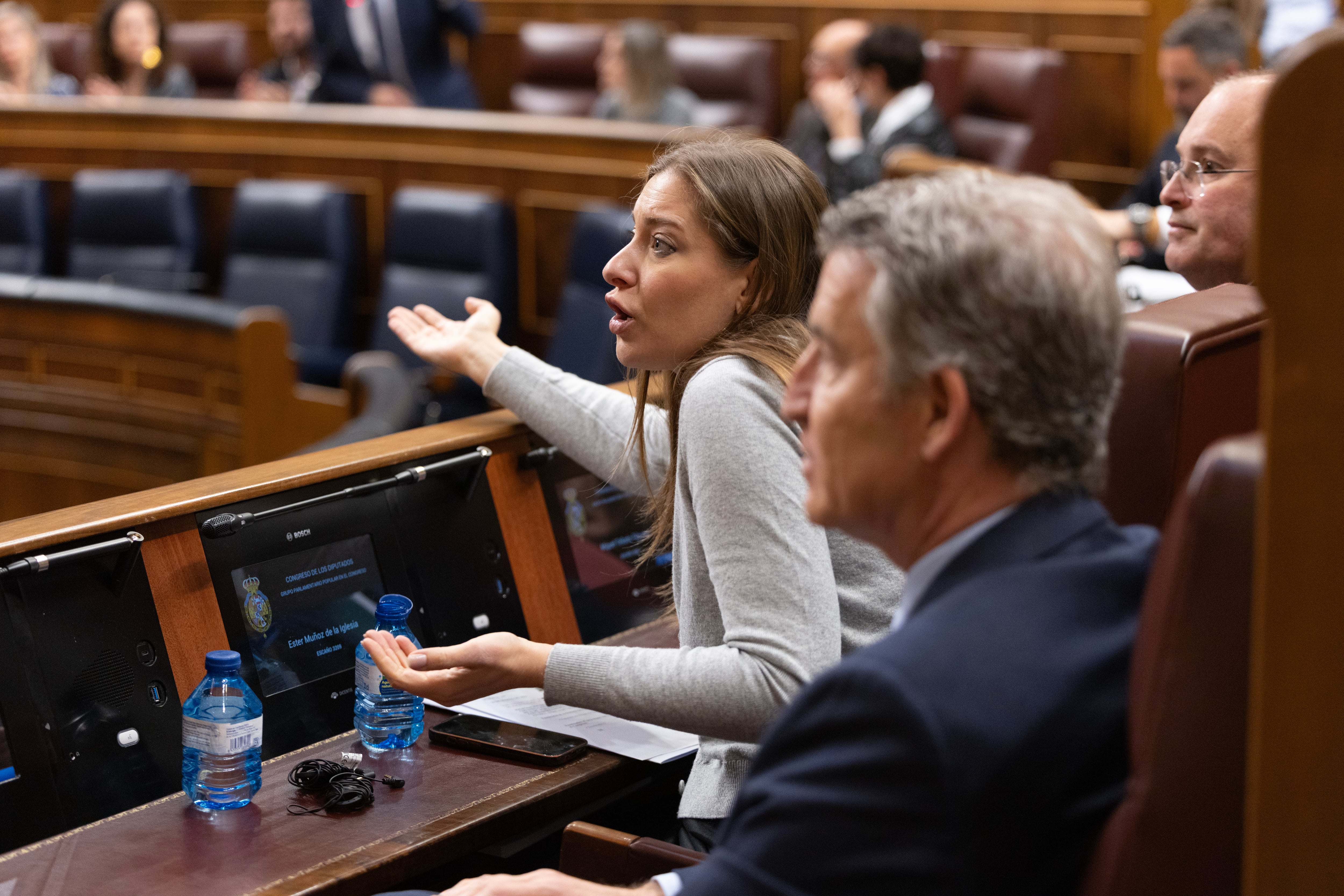
On Thursday, members of the Spanish Parliament gathered to debate the emergency decree. The Socialist party (PSOE) needed to find enough support from other groups to make sure the law passed. After several discussions, they reached an agreement with the Junts party. Meanwhile, the People’s Party (PP), which is the largest opposition group, announced they would abstain from the vote. This means they will not vote in favor, but they also will not try to stop the law from being approved.
Important Numbers and Facts
- VAT Reduction: Self-employed workers who earn less than 85,000 euros per year will benefit from a lower Value Added Tax (VAT).
- Energy Risks: Experts warn that a blockade in the Strait of Hormuz could lead to the largest energy crisis in history.
- Political Stance: The PP party believes the current aid package is too small and will only help for a few weeks.
- Voting Schedule: The final vote is set to take place this afternoon in the Congress of Deputies.
Background and Context
The war in Iran has created a lot of fear in the global market. Spain, like many other countries, relies on oil and gas that travels through specific sea routes. One of the most important routes is the Strait of Hormuz. If this path is blocked, oil tankers cannot move, which causes the price of fuel to go up everywhere. The Spanish government is trying to act now so that the country is prepared for these price changes. They want to make sure that the most vulnerable people and small businesses do not lose too much money because of events happening far away.
Public or Industry Reaction
Political reactions have been mixed. The government says these steps are necessary to keep the economy moving. Patxi López, a spokesperson for the PSOE, expressed confidence that the measures will be successful. However, the PP party is not fully satisfied. Elías Bendodo, a leader within the PP, argued that the plan "falls short" and does not include enough of their suggestions. On the other hand, groups representing self-employed workers are likely to welcome the tax cuts, as they have been asking for more support to deal with rising costs for a long time.
What This Means Going Forward
Once the vote is finished this afternoon, the aid package will become official. This will provide some immediate relief, but the long-term situation remains uncertain. The government will have to keep a close eye on the conflict in the Middle East. If the war gets worse, they may need to create even more aid plans in the future. For now, the focus is on making sure the current money reaches the people who need it most. Lawmakers will also continue to argue about whether these measures are enough to protect Spain's financial future.
Final Take
This debate shows how much global conflicts can impact local politics. While the government has secured enough support to pass its plan, the disagreement from the opposition suggests that the economic road ahead will be difficult. Spain is taking a step to protect its citizens, but the real test will be how well these measures hold up if energy prices continue to climb.
Frequently Asked Questions
Why is the Strait of Hormuz important?
It is a narrow waterway where a huge portion of the world's oil is transported. If it is blocked, oil prices can rise very quickly across the globe.
Who will get the tax cuts mentioned in the decree?
The tax cuts are specifically for self-employed individuals (autónomos) who have a yearly income of less than 85,000 euros.
Why did the PP party decide to abstain?
They believe the government's plan is not strong enough and does not include their ideas, but they chose not to vote against it so that some aid could still reach the public.