Summary
The Spanish government has announced a major plan to lower energy costs for citizens and businesses. During an emergency meeting held on Friday, officials decided to cut taxes on gasoline, diesel, electricity, and gas. This move comes as a direct response to the rising prices caused by the ongoing conflict in the Middle East. By reducing these taxes, the government hopes to provide immediate relief to households struggling with high bills and expensive fuel at the pump.
Main Impact
The most significant part of this announcement is the sharp drop in the Value Added Tax (VAT) on fuels. For a long time, drivers have paid a 21% tax on every liter of gasoline or diesel. This rate will now fall to 10%. This change is expected to lower the cost of filling up a car or a truck almost immediately. Because transportation is a part of almost every business, lowering fuel costs can also help stop the prices of food and other goods from rising too quickly.
Beyond fuel, the government is also targeting the cost of keeping the lights on. By suspending certain taxes on electricity production, the goal is to lower the final price that families see on their monthly utility bills. These measures are designed to act as a shield for the economy, preventing the high cost of energy from slowing down the country’s growth or making life too difficult for the average person.
Key Details
What Happened
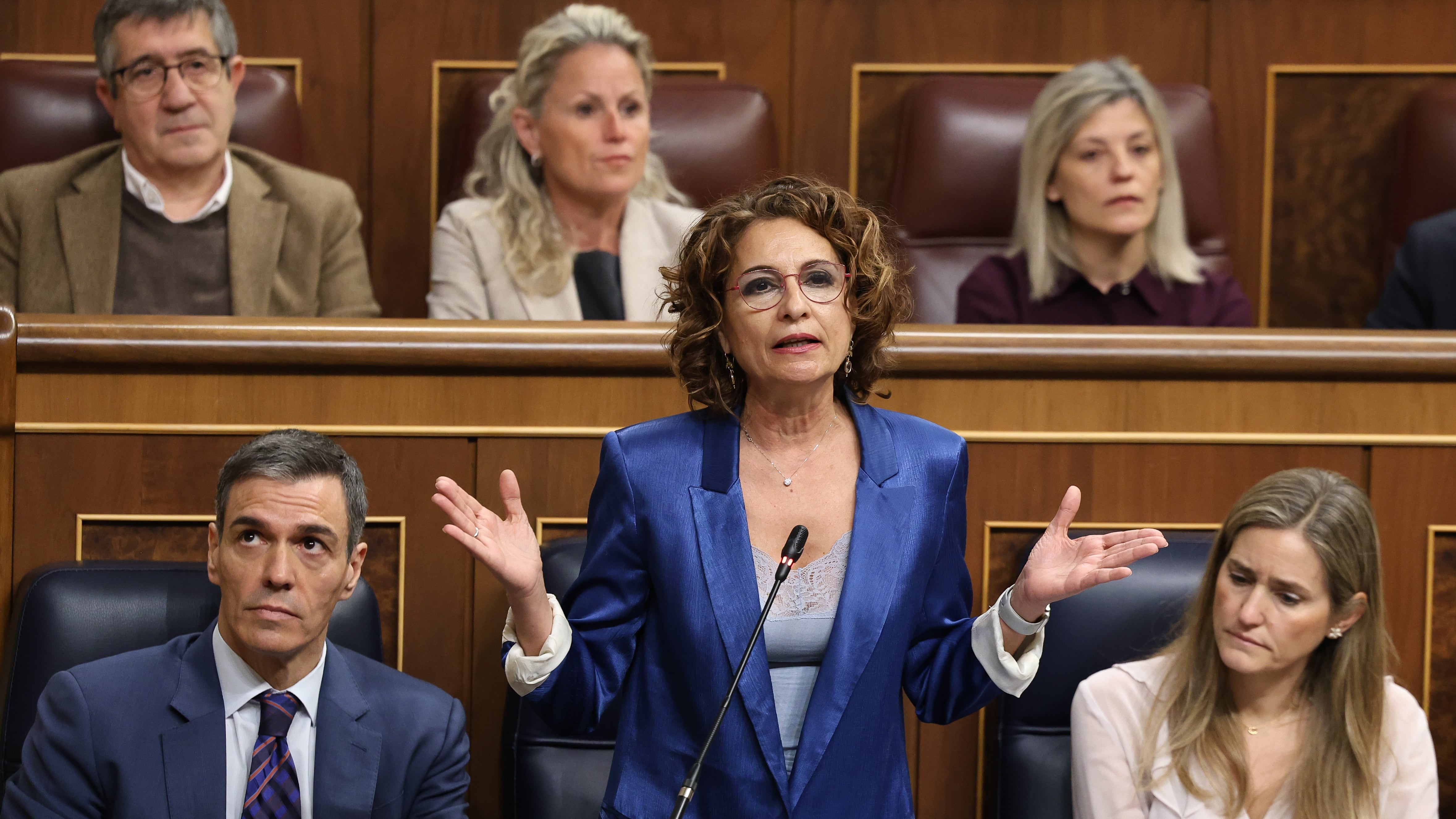
The Council of Ministers met in an extraordinary session to deal with the economic fallout of the war in the Middle East. They recognized that the tension in global energy markets was starting to hurt the local economy. To fix this, they approved a package of tax cuts that focus on the three main areas where people feel the most pressure: the gas station, the electricity bill, and home heating. These changes are meant to be a quick fix to keep prices stable while the global situation remains uncertain.
Important Numbers and Facts
Several specific tax changes were confirmed during the meeting. The VAT on fuel is being cut from 21% to 10%, which is a very large reduction. Additionally, the government is lowering the special tax on hydrocarbons, which is another layer of cost added to fuel. For the electricity sector, the tax on the value of electricity production has been suspended. This tax is usually paid by the companies that make power, but it often ends up being paid by the customers in the form of higher prices. By removing it, the government is forcing a price drop at the source.
Background and Context
Energy prices are very sensitive to what happens in the world. When there is a war or a big conflict in regions that produce oil and gas, like the Middle East, the global supply feels at risk. Even if the supply does not stop, the fear of it stopping makes prices go up. Spain, like many other European countries, relies on importing a lot of its energy from other parts of the world. This means that when global prices rise, people in Spain feel it very quickly.
In recent years, the government has used tax cuts as a tool to help people during tough times. They did something similar during the energy crisis a few years ago. By lowering taxes, the government gets less money for its own budget, but it leaves more money in the pockets of the citizens. This is seen as a way to support the public during an emergency without having to send out individual checks to every person.
Public or Industry Reaction
The reaction to these measures has been mostly positive, especially from groups that represent truck drivers and transport companies. These businesses spend a huge amount of money on fuel, and a 11% drop in VAT makes a big difference to their daily costs. Families are also relieved, as the cost of living has been a major concern for many months. However, some economists warn that these tax cuts are only a temporary solution. They argue that if the war lasts a long time, the government might not be able to keep taxes this low forever because it needs that money to pay for schools, hospitals, and roads.
What This Means Going Forward
In the coming weeks, people should start to see lower prices at gas stations across the country. Electricity bills should also show a slight decrease as the new rules take effect. However, the government will need to monitor the situation in the Middle East very closely. If the conflict gets worse, global oil prices could rise even more, which might cancel out the benefits of these tax cuts. The government has signaled that it is ready to take more steps if necessary, but for now, these tax reductions are the primary tool being used to keep the economy steady.
Final Take
This decision shows that the government is willing to act fast when global events threaten the local economy. By cutting taxes on essential needs like fuel and power, they are providing a much-needed break for everyone. While this will cost the state a lot of money in lost tax revenue, the priority is clearly to protect the financial health of citizens and small businesses during a very difficult time on the world stage.
Frequently Asked Questions
How much will fuel prices drop?
The VAT on fuel is dropping from 21% to 10%. This means for every 50 euros spent on fuel, you could save several euros, depending on how the gas stations adjust their base prices.
When do these tax cuts start?
The measures were approved on Friday and are expected to take effect almost immediately after they are officially published in the state bulletin.
Why is the government cutting these taxes now?
The cuts are a response to the war in the Middle East, which has caused energy prices to spike. The government wants to prevent these high costs from hurting the economy and the public.