Summary
A major attack on Iran’s South Pars gas field has caused a sharp rise in global energy prices and a serious increase in regional tension. This event marks the first time in the current three-week conflict that energy production sites have been targeted. The strike hit petrochemical plants in the world’s largest natural gas field, which Iran shares with Qatar. This move has led to immediate retaliation and strong criticism from neighboring countries in the Gulf.
Main Impact
The most immediate effect of the attack was felt in the global financial markets. Prices for Brent crude oil and European natural gas jumped quickly as news of the explosions spread. Beyond the cost of fuel, the attack changes the nature of the ongoing war. By hitting energy infrastructure, the conflict has moved from military targets to assets that affect the global economy. This shift puts the energy security of many nations at risk, especially those that rely on gas from the Middle East.
Key Details
What Happened
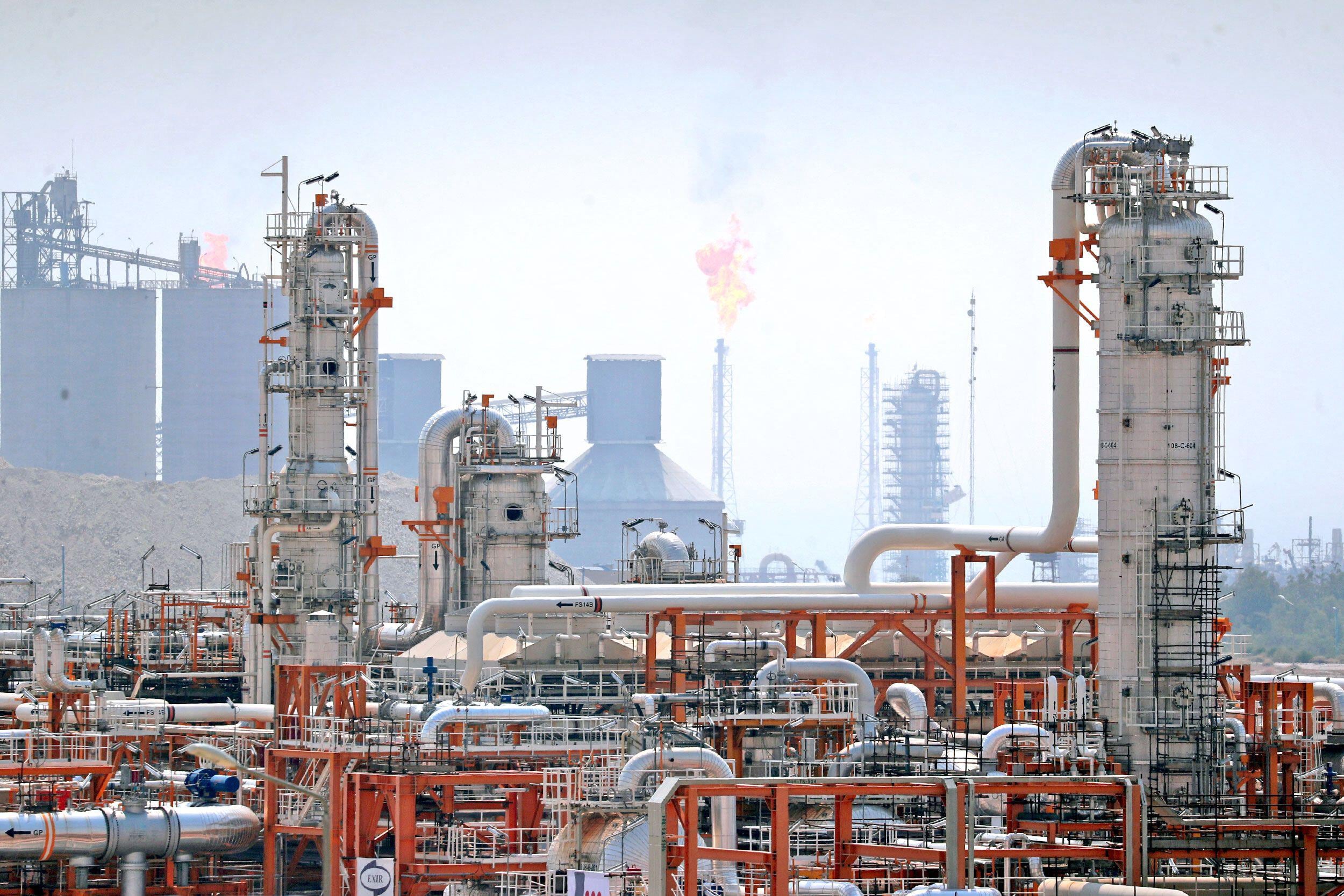
On Wednesday, explosions rocked petrochemical facilities within the South Pars energy complex in Iran. While no government has officially claimed responsibility for the strike, reports in the Israeli media suggest the operation was carried out by Israel with support from the United States. The attack specifically targeted the processing plants that handle gas and chemicals, rather than the underwater wells themselves. This caused significant damage to Iran's ability to process and export its energy resources.
Important Numbers and Facts
The South Pars field is the largest of its kind in the world. It holds a massive portion of the earth's known gas reserves. Because it is shared between Iran and Qatar, any military action in this area is extremely sensitive. Following the strike, the price of Brent oil—the global standard for oil prices—saw a sudden spike. Similarly, the TTF gas price, which is the main benchmark for natural gas in Europe, also increased. These price hikes reflect fears that the supply of energy could be cut off if the fighting continues to spread.
Background and Context
To understand why this attack is so important, it helps to know how the global energy market works. Iran is one of the world's top producers of oil and gas. The South Pars field is the heart of its energy industry. For the past three weeks, the conflict in the Middle East had mostly stayed away from oil and gas plants. Many experts hoped that energy sites would be left alone to prevent a global economic crisis. However, this latest strike breaks that unspoken rule. It shows that the parties involved are now willing to target the economic lifelines of their enemies.
Public or Industry Reaction
The reaction from nearby countries was swift and mostly negative. Nations like Qatar, the United Arab Emirates, and Oman expressed strong disapproval of the attack on Iranian soil. These countries often try to stay neutral or act as peacekeepers in the region. They fear that attacking energy sites will lead to a cycle of revenge that could hurt their own economies. Iran responded almost immediately by launching its own attacks against energy facilities belonging to U.S. allies in the Gulf. This "tit-for-tat" behavior has created a very dangerous situation for shipping and energy production throughout the entire region.
What This Means Going Forward
Looking ahead, the risk of a full-scale energy war has increased. If more facilities are damaged, the world could face a shortage of natural gas and oil. This would lead to higher heating bills for families and higher costs for businesses everywhere. There is also the risk that the Strait of Hormuz, a narrow waterway where much of the world's oil passes, could be closed or become too dangerous for ships. Diplomats are now working hard to prevent further escalations, but the trust between the nations involved is at an all-time low. The next few days will be critical in determining if the conflict can be contained or if it will continue to hit global energy supplies.
Final Take
The attack on South Pars is a turning point that brings the war into the homes of people far away through rising energy costs. By targeting the world's largest gas field, the conflict has entered a new and more unpredictable phase. The focus has shifted from local battles to a struggle that threatens the stability of the global economy. Everyone from government leaders to everyday consumers will be watching the Middle East closely to see how this energy crisis develops.
Frequently Asked Questions
What is the South Pars gas field?
South Pars is the largest natural gas field in the world. It is located in the Persian Gulf and is shared between Iran and Qatar. It is a vital source of energy for the entire globe.
Why did oil and gas prices go up?
Prices went up because investors fear that the war will stop the flow of energy from the Middle East. When there is a risk that supply will drop, the price of what is left usually rises.
Who is responsible for the attack?
No country has officially said they did it. However, news reports in Israel have linked the attack to the Israeli military working in coordination with the United States.