Summary
As the West Bengal elections approach, the city of Siliguri has become a major focus for political parties. The ruling Trinamool Congress (TMC) and the Bharatiya Janata Party (BJP) are competing hard to win over voters in this key region. Residents are expressing deep concerns about the lack of local jobs, a sense of fear regarding political tension, and the ongoing debate over which party truly represents the people of Bengal. This contest is not just about winning a seat; it is about who controls the gateway to North Bengal.
Main Impact
The political battle in Siliguri is shaping the overall mood of the state elections. Because Siliguri is a hub for trade, tea, and tourism, what happens here affects the economy of the entire northern part of West Bengal. The competition between the TMC and BJP has forced local issues like unemployment and safety to the front of the conversation. If the BJP manages to hold its ground, it proves their "outsider" tag is not working. If the TMC wins, it shows their message of local pride and social security is still strong among the working class.
Key Details
What Happened
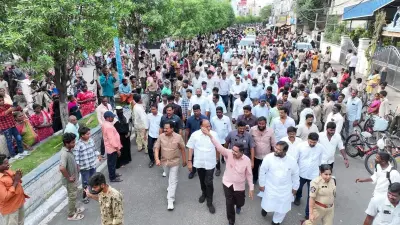
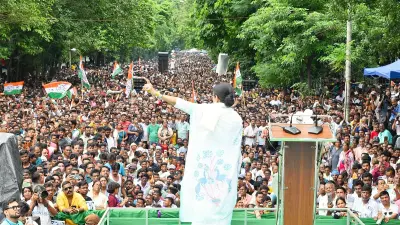
In recent weeks, political activity in Siliguri has increased significantly. Both major parties are holding large rallies and meeting people door-to-door. The TMC is focusing on its social welfare schemes and calling the BJP a party of "outsiders" who do not understand Bengali culture. On the other hand, the BJP is highlighting the lack of industrial growth and accusing the state government of failing to provide safety for common citizens. Voters are listening to both sides but remain worried about their daily struggles.
Important Numbers and Facts
Siliguri is the second-largest city in West Bengal and serves as a vital link to the Northeast states and neighboring countries like Nepal and Bhutan. In previous elections, the region has shown a shift in loyalty. While it was once a stronghold for the Left Front and the Congress, the 2019 and 2021 elections saw a massive surge for the BJP. However, the TMC has been working to regain this lost ground by focusing on urban development and local leadership. Economic data shows that while the city is growing, the number of formal jobs in sectors like IT or manufacturing has not kept pace with the growing population of young graduates.
Background and Context
To understand the current situation, one must look at the unique position of Siliguri. It is a melting pot of different cultures, including Bengalis, Gorkhas, and people from Bihar and Marwar. This diversity makes the "outsider" tag a complicated issue. The TMC uses this term to suggest that BJP leaders from Delhi are trying to impose their rules on Bengal. The BJP counters this by saying they want to bring the "double engine" growth model to the state, meaning the same party would rule at both the central and state levels.
Another major factor is "bhoy," which is the Bengali word for fear. In many parts of West Bengal, political violence is a serious concern. Residents often worry that supporting one party might lead to trouble from the other. This atmosphere of fear often prevents people from speaking openly about their political choices until they reach the polling booth.
Public or Industry Reaction
Local business owners and tea garden workers have mixed feelings. Business leaders want better infrastructure and fewer strikes to help trade with neighboring regions. They feel that constant political fighting hurts the local economy. Meanwhile, young people are frustrated. Many graduates from local colleges feel they have to move to cities like Kolkata, Bangalore, or Hyderabad to find good work. They want the winning party to focus on bringing big companies to Siliguri instead of just giving out small cash helps.
Social activists in the area have also pointed out that the "outsider" debate often ignores the real needs of the people. They argue that whether a leader is local or not matters less than whether they can fix the broken drainage systems, improve hospitals, and ensure that the tea industry remains profitable for the workers.
What This Means Going Forward
The result in Siliguri will be a clear sign of which way the wind is blowing in North Bengal. If the TMC can overcome the "bhoy" factor and the demand for jobs, they will secure their position as the dominant force. However, if the BJP can convince voters that they are the only ones who can bring industrial change, they might sweep the region again. The next few weeks will see more intense campaigning, with both parties trying to prove they are the true friends of the local people. The focus will likely stay on economic promises and the safety of the voters.
Final Take
Siliguri stands at a crossroads where local identity meets national ambition. While the "outsider" tag and political fear are major talking points, the real decider will be the promise of a better future. Voters are tired of the same old arguments and are looking for a leader who can turn Siliguri into a modern economic powerhouse. The party that can move past the name-calling and offer a real plan for jobs and safety will likely win the hearts of this important city.
Frequently Asked Questions
Why is Siliguri important in the Bengal elections?
Siliguri is the main commercial hub of North Bengal and acts as a gateway to the Northeast. Winning here gives a party a huge advantage in controlling the politics and economy of the northern districts.
What does the "outsider" tag mean in this context?
The "outsider" tag is a political strategy used by the TMC to claim that the BJP is run by leaders from other states who do not understand or respect West Bengal's unique culture and traditions.
What are the biggest problems facing voters in Siliguri?
The most common concerns are the lack of high-paying jobs for young people, the need for better infrastructure in the tea gardens, and worries about political violence or intimidation during election season.