Summary
In a significant step for regional infrastructure, 17 additional households from Riew village in Arunachal Pradesh have officially pledged their support for the Siang Upper Multipurpose Project (SUMP). These families signed a Memorandum of Understanding (MoU) to allow essential preliminary survey work to take place on their land. This agreement is part of a larger effort by the government to move forward with one of the most ambitious hydropower and water management projects in Northeast India.
Main Impact
The decision by these 17 households marks a shift in local cooperation for the Siang Upper Multipurpose Project. By signing the agreement, the villagers are allowing the government to conduct a Pre-Feasibility Report (PFR). This study is necessary to understand if the land is suitable for the project’s technical requirements. The impact of this move is twofold: it reduces local friction that has previously slowed the project and provides a clear path for engineers to begin site assessments without legal or social hurdles.
Key Details
What Happened
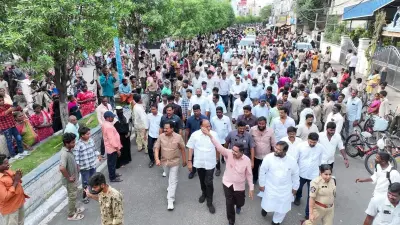
The signing ceremony took place in the Siang district, bringing together local residents and high-ranking government officials. The households from Riew village agreed to the terms of the MoU, which specifically focuses on allowing activities related to the Pre-Feasibility Report. This report is the first major stage in determining how a dam or power plant will be built. The event was attended by Siang Deputy Commissioner Tayi Taggu and Talum Tabing, who serves as the chairman of the project’s local committee.
Important Numbers and Facts
The Siang Upper Multipurpose Project is designed to be a massive undertaking on the Siang River. While the specific number of households signing in this round is 17, they join a growing list of families from various villages who have entered into similar agreements. The project aims to generate thousands of megawatts of electricity, making it one of the largest potential power sources in the country. The current phase focuses on data collection, soil testing, and environmental mapping, all of which require direct access to private and community-owned land.
Background and Context
The Siang River is a vital waterway that flows from Tibet into Arunachal Pradesh before becoming the Brahmaputra in Assam. For years, the Indian government has planned to build a large multipurpose dam on this river. The goals are to produce clean energy, control seasonal flooding that affects downstream areas, and ensure water security for the region. However, projects of this size often face challenges because they require large amounts of land that belong to indigenous communities.
In the past, some local groups expressed concern about how a dam might change their way of life or affect the local environment. To address these concerns, the government has been working directly with village leaders and families. The goal is to ensure that the people living near the river are part of the decision-making process. Signing an MoU is a formal way for the government to show it has the consent of the people before moving heavy machinery or starting construction work.
Public or Industry Reaction
The reaction from local authorities has been very positive. Deputy Commissioner Tayi Taggu praised the villagers for their willingness to cooperate, noting that such projects are essential for the long-term growth of the district. Industry experts see this as a sign that the government’s "trust-building" strategy is working. By focusing on small-scale agreements with individual households and villages, the project developers are avoiding the large-scale protests that have stopped similar projects in the past. Local leaders have also emphasized that the project could bring new roads, schools, and jobs to the area, which has influenced the decision of many families to sign the MoU.
What This Means Going Forward
Now that the 17 households have signed the agreement, technical teams will likely begin visiting Riew village to start their surveys. These teams will look at the flow of the river, the strength of the soil, and the potential impact on local wildlife. Once the Pre-Feasibility Report is finished, the government will have a better idea of the project's total cost and timeline. The next big step will be the environmental impact assessment and the discussion of financial compensation for the families whose land might be used for the actual dam or reservoir. This process will take several more months, if not years, to complete fully.
Final Take
The cooperation of the Riew village households is a vital piece of the puzzle for the Siang Upper Multipurpose Project. It shows that progress is possible when the government engages directly with local communities. While there is still a long way to go before the project is finished, these signatures represent a move toward balancing the need for national energy security with the rights and needs of the people who live on the land.
Frequently Asked Questions
What is the Siang Upper Multipurpose Project?
It is a planned large-scale dam project on the Siang River in Arunachal Pradesh. It is designed to generate hydroelectric power, help control floods, and manage water resources for the region.
What does signing the MoU mean for the villagers?
By signing the MoU, the villagers are giving the government permission to enter their land to conduct studies and surveys. It is an agreement to cooperate during the early planning stages of the project.
What is a Pre-Feasibility Report (PFR)?
A PFR is an initial study done to see if a project is technically and financially possible. It involves checking the land, the river, and the environment to decide if the project should move forward to the next stage of planning.