Summary
Sheikh Yousaf Afridi, a high-ranking member of the Lashkar-e-Taiba (LeT) group, was shot and killed by unknown attackers in Pakistan. Afridi was known as a very close associate of Hafiz Saeed, the man who founded the group and is accused of planning the 2008 Mumbai terror attacks. The shooting took place in the Khyber Pakhtunkhwa province, near the border with Afghanistan. This event is part of a growing number of mysterious attacks on militant leaders living in Pakistan over the past year.
Main Impact
The death of Sheikh Yousaf Afridi is a major blow to the regional operations of Lashkar-e-Taiba. As a key figure in the group’s structure, his loss disrupts their local leadership and communication. This killing also sends a strong message to other members of the group that they are being watched and targeted. It shows that the safety these leaders once felt in certain parts of Pakistan is disappearing. The fact that the attackers remain unknown adds to the fear and uncertainty within the organization.
Key Details
What Happened
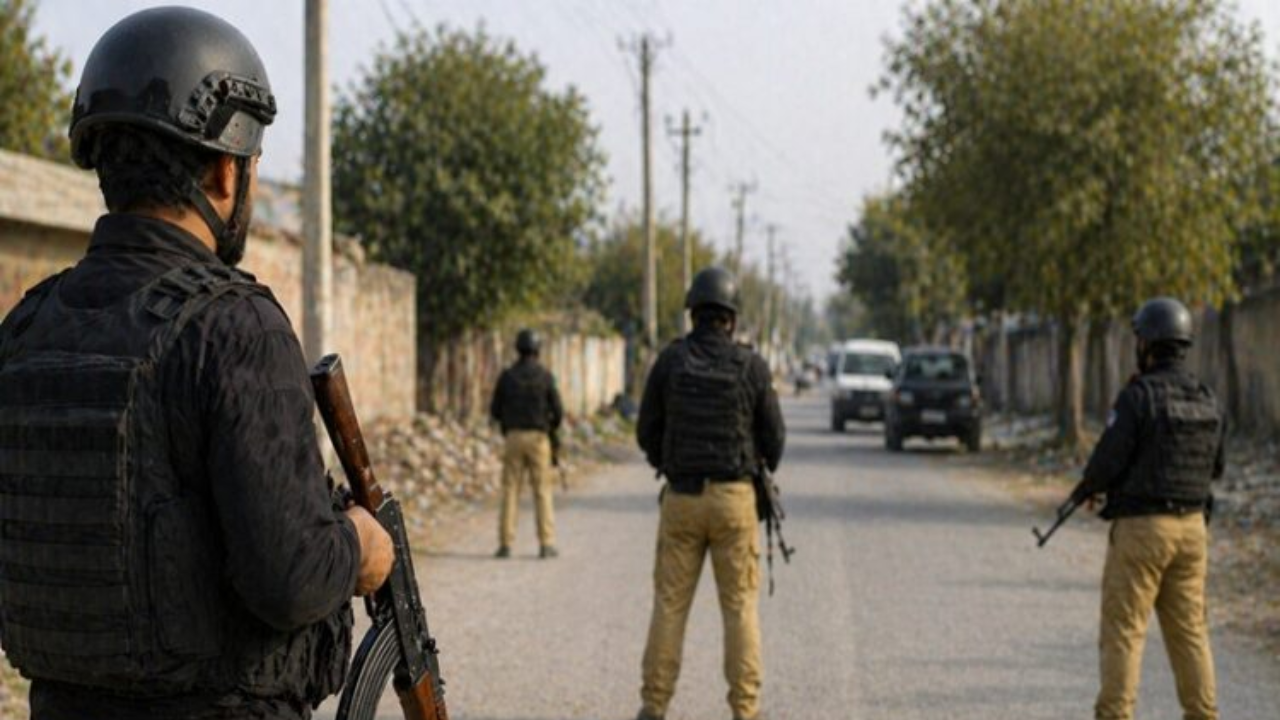
The attack occurred in Landi Kotal, a town located in the Khyber Pakhtunkhwa province of Pakistan. According to reports, unidentified gunmen opened fire on Sheikh Yousaf Afridi, killing him on the spot. The attackers managed to flee the scene before security forces could arrive. Local authorities have started an investigation, but no group has claimed responsibility for the shooting yet. This incident follows a similar pattern seen in other parts of the country where high-profile militants have been killed in broad daylight.
Important Numbers and Facts
Sheikh Yousaf Afridi was a veteran member of LeT and worked closely with Hafiz Saeed for many years. This killing is the second major attack on an LeT leader in a short period. Recently, another senior member named Amir Hamza was also targeted in a similar way. Over the last twelve months, more than a dozen people linked to terror groups have been killed by "unknown gunmen" across Pakistan. These incidents have happened in various cities, showing that the threat to these individuals is widespread.
Background and Context
Lashkar-e-Taiba is a group that has been banned by many countries and the United Nations. It is most famous for the 2008 attacks in Mumbai, India, which killed over 160 people. Hafiz Saeed, the leader of the group, has been in and out of house arrest in Pakistan for years. While he is currently serving a prison sentence for financing illegal activities, his close aides have often moved around with some level of freedom.
The town of Landi Kotal, where Afridi was killed, is a strategic location. It sits near the Khyber Pass, a famous mountain pass that connects Pakistan and Afghanistan. This area has long been known for its complex security situation. In recent years, there has been a sharp increase in the number of wanted men being killed by mysterious shooters. These victims are often people who are on the "most wanted" lists of other countries, particularly India.
Public or Industry Reaction
The Pakistani government and military have been quiet about the specific details of this killing. In the past, officials in Pakistan have blamed foreign intelligence agencies for such attacks, though they rarely provide proof. On the other hand, many security experts believe these killings could be the result of internal fights between different militant groups. Some also suggest that these groups are being targeted by people who want to stop their activities without a formal trial. In India, news of these killings is often seen as a sign that those responsible for past terror attacks are finally facing consequences.
What This Means Going Forward
The death of Sheikh Yousaf Afridi will likely lead to tighter security for other leaders within Lashkar-e-Taiba. The group may try to move its members to more secret locations to avoid further attacks. However, the continued success of these "unknown gunmen" suggests that the attackers have very good information about where these leaders are hiding. This could lead to more paranoia and distrust within the militant groups themselves. For the Pakistani government, these events create a difficult situation as they try to maintain order while facing pressure from the international community to act against terror groups.
Final Take
The killing of Sheikh Yousaf Afridi is another sign that the environment for militant leaders in Pakistan is changing. The pattern of targeted shootings shows that being a close aide to a powerful figure like Hafiz Saeed no longer provides the protection it once did. As these leaders are removed one by one, the future of their organizations becomes more unstable and weak.
Frequently Asked Questions
Who was Sheikh Yousaf Afridi?
He was a senior member of the Lashkar-e-Taiba group and a close helper to its founder, Hafiz Saeed. He played a key role in the group's regional activities in Pakistan.
Where did the shooting take place?
The shooting happened in Landi Kotal, a town in the Khyber Pakhtunkhwa province of Pakistan, which is near the border with Afghanistan.
Who killed him?
The attackers have not been identified. They are often referred to as "unknown gunmen" because they carry out the attacks quickly and disappear without being caught or claiming responsibility.