
Summary
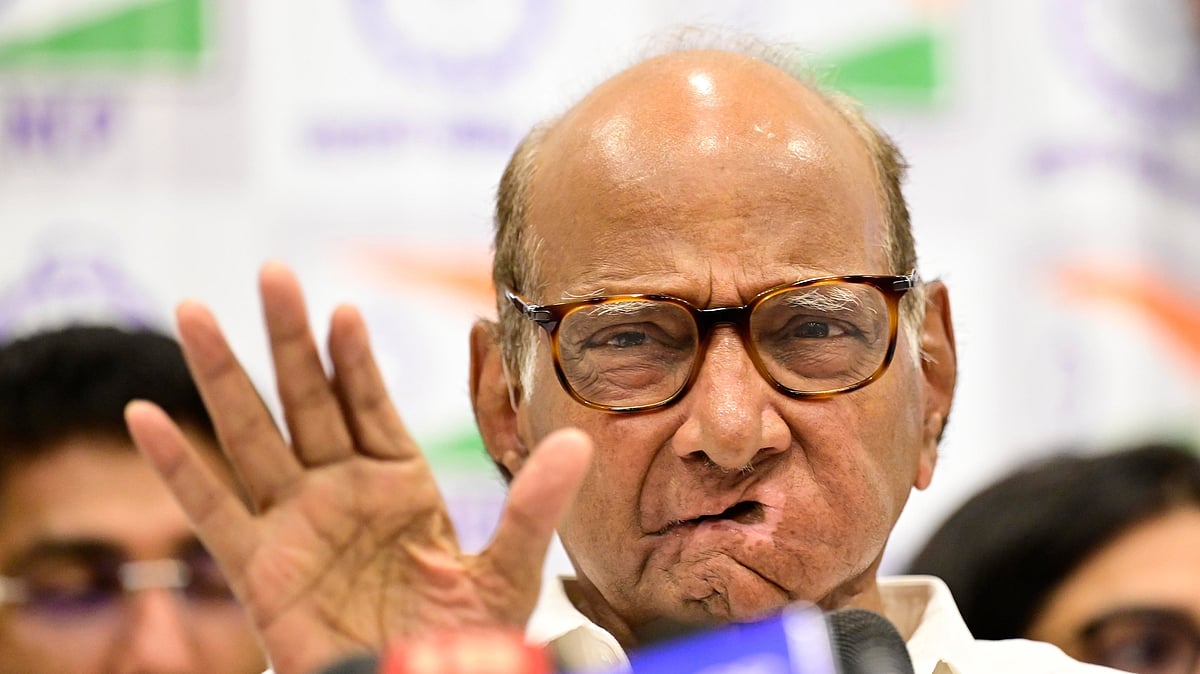
Sharad Pawar, the leader of the NCP (SP), has raised an alarm regarding the Warkari movement in Maharashtra. He believes that radical groups are gaining too much influence over this long-standing spiritual tradition. Historically, the Warkari sect has been known for its focus on equality and kindness, but Pawar warns that these values are now under threat. His comments have sparked a major political debate, with several leaders accusing him of trying to divide the community for political gain.
Main Impact
The primary impact of Pawar’s statement is a deepening divide between political parties over the role of religion in public life. By suggesting that a large portion of the Warkari leadership has turned toward radical views, Pawar has challenged the current social balance in Maharashtra. This has led to a sharp exchange of words between the opposition and the ruling government. It also brings attention to how spiritual movements are being used to influence voters and shape the cultural identity of the state.
Key Details
What Happened
Sharad Pawar shared his concerns in a special publication for the All-India Marathi Literary Conference of Women Government Officers. This event took place in Delhi on April 11 and 12, 2026. In his writing, Pawar pointed out that the Warkari sect, which usually stays away from extreme politics, is changing. He noted that many preachers and speakers within the group are now moving away from the traditional message of inclusiveness. He stated that efforts are already being made to find out who is helping these radical forces grow stronger within the community.
Important Numbers and Facts
Pawar provided specific figures to explain his concerns. He claimed that about 60 percent of the people who lead and preach within the sect are now aligning with radical ideas. He contrasted this with the remaining 40 percent, who he says still follow the original path of equality and simple devotion. These numbers suggest a major shift in a movement that has guided Maharashtra’s social life for hundreds of years. Additionally, the state government recently showed its support for the sect by setting up a special board with a budget of Rs 50 crore and starting a pension plan for older pilgrims.
Background and Context
The Warkari sect is a very important part of life in Maharashtra. Its followers, known as Warkaris, worship Lord Vitthal in the town of Pandharpur. For centuries, this movement has been a symbol of peace and equality. It taught that everyone is equal before God, regardless of their caste or social status. The followers are known for their simple way of living and their annual walking pilgrimage, called the Wari. Because the sect has millions of followers, it holds a lot of social and political power. In recent years, observers have noticed that the sect has become more involved with groups like the RSS and the ruling political alliance, which some see as a shift away from its neutral roots.
Public or Industry Reaction
The reaction to Pawar’s comments was immediate and strong. Tushar Bhosale, who leads the spiritual wing of the BJP, called Pawar "anti-Hindu" and said his words were an insult to all Warkaris. Other leaders from the Shiv Sena faction led by Eknath Shinde also spoke out. They argued that the Warkari sect includes people from all walks of life and cannot be called radical or biased. They warned Pawar not to try and create a rift among Hindus. On the other side, leaders from the Shiv Sena (UBT) supported Pawar. They claimed that some preachers are being paid by the ruling party to spread specific political messages during their religious talks.
What This Means Going Forward
Moving forward, this debate is likely to become a major topic in upcoming elections. The government’s decision to fund the Warkari board and provide pensions shows that they want to keep the sect on their side. Pawar’s warning is an attempt to pull the movement back toward its progressive roots. There is also a growing concern about the role of women in the sect. Pawar mentioned that women are often left out of important discussions and that some preachers make disrespectful comments about them. If these issues are not addressed, the internal peace of the movement could be at risk. The next few months will show if the Warkari leaders choose to stay neutral or become more involved in political battles.
Final Take
The tension surrounding the Warkari movement highlights a struggle for the soul of Maharashtra’s most famous spiritual tradition. While the sect has always been a force for social unity, the current political climate is pulling it in different directions. Whether the movement remains a symbol of equality or becomes a tool for political radicalization will depend on how its leaders and followers respond to these public debates. The conversation started by Sharad Pawar ensures that the future of the Warkari sect will remain a central part of the state's political story.
Frequently Asked Questions
What is the Warkari sect?
It is a spiritual group in Maharashtra that worships Lord Vitthal. It is famous for its message of equality, simple living, and the annual walking pilgrimage to Pandharpur.
Why is Sharad Pawar worried about the movement?
Pawar believes that radical and extremist ideas are entering the movement. He claims that 60 percent of the sect's leaders are moving away from the tradition's original values of inclusiveness.
How has the government supported the Warkaris?
The Maharashtra government created a dedicated board for the sect, gave it Rs 50 crore in funding, and started a pension scheme for elderly pilgrims who participate in the Wari.

