
Summary
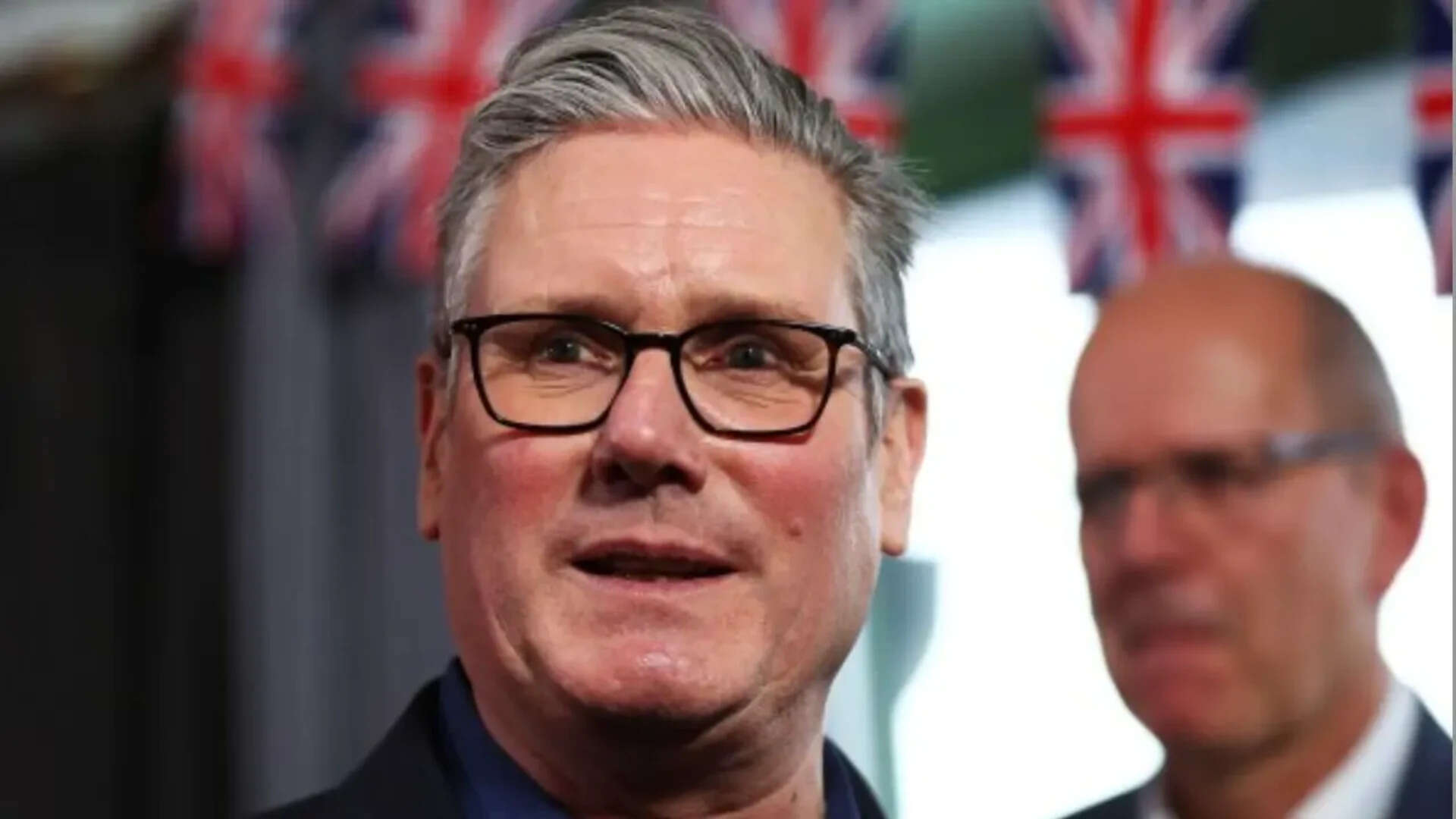
British Prime Minister Keir Starmer has stepped forward to defend the NATO alliance following recent suggestions that the United States might consider leaving the group. Starmer argued that the partnership is not just a benefit for Europe, but is also a vital part of American national security. During his recent discussions, the Prime Minister also focused on the growing tensions involving Iran and the urgent need to protect international shipping routes. His comments aim to reassure allies and keep the long-standing security bond between the UK and the US strong.
Main Impact
The primary impact of Starmer’s statement is a push for unity at a time when global safety feels uncertain. By framing NATO as a tool that serves American interests, he is trying to change the political conversation in Washington. If the United States were to pull back from its role in the alliance, the balance of power in Europe and the Middle East could shift drastically. Starmer’s approach highlights that the UK intends to remain a key partner in global security, working to ensure that the US remains an active and committed member of the international community.
Key Details
What Happened
Prime Minister Keir Starmer addressed the ongoing debate regarding the future of the North Atlantic Treaty Organization (NATO). This comes after former President Donald Trump and some of his supporters suggested that the US should rethink its involvement if other countries do not spend more on their own defense. Starmer met with various leaders to talk about how to make the alliance stronger and more modern. He also spent time discussing the "fragile" situation in the Middle East, specifically focusing on the conflict involving Iran. A major part of these talks involved the Strait of Hormuz, which is a narrow but very important water passage for the world's oil supply.
Important Numbers and Facts
NATO currently consists of 32 member countries that have agreed to protect one another. The alliance was formed in 1949, and its most important rule is that an attack on one member is treated as an attack on all members. In terms of trade, the Strait of Hormuz is one of the most important spots on the map. About 20% of the world's total liquid petroleum passes through this narrow stretch of water every day. Any blockage there could cause gas and energy prices to skyrocket across the globe. Starmer emphasized that keeping these waters safe is a shared responsibility that benefits every nation's economy.
Background and Context
To understand why this matters, it is helpful to look at how NATO works. For decades, the United States has been the biggest contributor to the alliance, providing the most money and military equipment. In recent years, some American politicians have complained that European countries are not paying their fair share. They argue that the US is spending too much to protect other nations. Starmer is now trying to remind everyone that NATO was created to prevent large-scale wars, which saves lives and money in the long run. He believes that a stable Europe makes the United States safer and more prosperous.
At the same time, the situation with Iran has become more complicated. There are concerns about regional fighting and the safety of commercial ships. When ships cannot travel safely, the cost of goods goes up for everyone. By linking NATO’s strength to these global trade issues, Starmer is showing that military alliances are about more than just soldiers; they are about keeping the global economy moving smoothly.
Public or Industry Reaction
The reaction to Starmer’s defense of NATO has been mixed but mostly supportive among European leaders. Many officials in Europe are relieved to see the UK taking a lead role in trying to keep the US engaged. They worry that without American support, they would be vulnerable to threats from other powerful nations. However, some critics in the US continue to argue that the focus should be on domestic issues rather than overseas alliances. Shipping companies and energy experts have praised the focus on the Strait of Hormuz, noting that security in that region is essential for business stability and keeping costs low for consumers.
What This Means Going Forward
In the coming months, we can expect to see European nations increasing their military budgets to show the US they are serious about contributing. Starmer will likely continue to act as a bridge between Europe and Washington, trying to smooth over any disagreements. There will also be more international cooperation to patrol the seas near Iran. If these efforts are successful, it could lead to a more balanced alliance where every country feels they are getting a fair deal. If the tension continues, however, the UK and its neighbors may have to find new ways to protect themselves without relying as heavily on American help.
Final Take
Keir Starmer is making a clear case that the world is safer when major powers work together. By reminding the US of the benefits it receives from NATO, he is hoping to preserve a system that has prevented major conflicts for over seventy years. The focus on trade routes like the Strait of Hormuz shows that these political decisions have a direct effect on the daily lives and wallets of people everywhere. Keeping the peace is not just about military strength; it is about ensuring that the world remains open for business and safe for everyone.
Frequently Asked Questions
What is NATO and why is it important?
NATO is a group of 32 countries that have promised to defend each other if they are attacked. It is important because it helps prevent wars by showing that many nations will stand together against any threat.
Why is the Strait of Hormuz mentioned in these talks?
The Strait of Hormuz is a vital shipping lane for oil and gas. If it is blocked or becomes dangerous, energy prices around the world could go up, which would hurt the global economy.
Why does the US want to leave NATO?
Some US politicians believe that the United States spends too much money on the alliance while other member countries do not contribute enough. They want other nations to pay more for their own defense.

