Summary
A new water project has officially started in the Sathya Sai district to help local farmers and improve the environment. A government minister launched the feeder canal project, which is part of the VB-G RAM G and Jaladhara programs. This initiative is designed to provide a steady water supply to nearly 200 acres of farmland. Beyond direct irrigation, the project will also help refill underground water levels, making sure that local borewells do not run dry during the hot summer months.
Main Impact
The most significant impact of this project is the security it provides to the local farming community. In many rural areas, farmers struggle because they do not have a reliable way to water their crops. By building this feeder canal, the government is creating a system that moves water from larger sources directly to the fields that need it most. This change will likely lead to better crop yields and more stable incomes for families who live in the region.
Additionally, the project addresses the long-term problem of falling water tables. When water flows through these canals, some of it naturally soaks into the ground. This process, known as recharging, is vital for keeping borewells active. Since many households and small farms depend on these wells for their daily needs, the project provides a double benefit of surface irrigation and groundwater support.
Key Details
What Happened
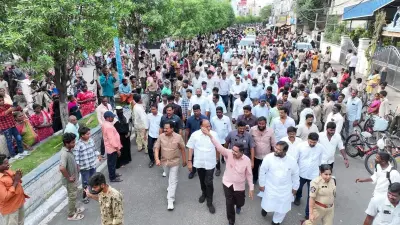
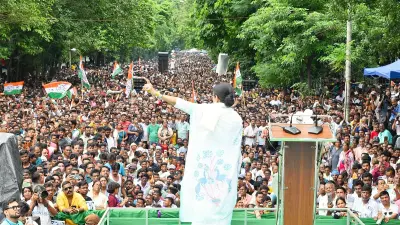
The project was officially set in motion during a ceremony led by the district minister. This feeder canal is a specialized channel built to carry water from a primary source to a specific destination. It is not just a simple ditch; it is a planned piece of infrastructure designed to manage water flow efficiently. The work is being done under two main government schemes: the VB-G RAM G initiative and the Jaladhara program. These programs focus on rural development and sustainable water management.
Important Numbers and Facts
The scale of the project is focused on a specific area to ensure maximum effectiveness. The canal is expected to cover and support approximately 200 acres of agricultural land. This area is home to many small-scale farmers who grow various crops throughout the year. By providing water to this specific amount of land, the project aims to create a model for how smaller water projects can make a big difference in local neighborhoods. The timeline for the project suggests that work will move quickly to ensure water is available for the upcoming growing seasons.
Background and Context
The Sathya Sai district is located in a region that often faces dry weather and low rainfall. For many years, the people living here have had to deal with water shortages. When the rain does not come, the ground becomes hard, and the water deep under the earth starts to disappear. This makes it very difficult for anyone to grow food or even find enough water for basic chores.
The Jaladhara initiative was created to solve these exact problems. The word "Jaladhara" refers to the flow of water, and the program's goal is to make sure that water reaches every corner of the state. By focusing on feeder canals, the government is trying to fix the "last mile" problem, where water exists in big dams or rivers but does not actually reach the small farms located far away from those sources.
Public or Industry Reaction
Local farmers have expressed a sense of relief following the announcement of the project. Many have shared stories of how they had to spend large amounts of money to dig deeper borewells when their old ones went dry. With the new canal, they hope these costs will go down. Community leaders have also praised the move, noting that water is the foundation of the local economy. When there is water, there are jobs, and when there are jobs, the community stays strong.
Agricultural experts have also noted that this project is a smart way to use resources. Instead of building massive dams that take decades to finish, smaller feeder canals can be completed faster and provide immediate help to the people. They believe that this approach is the best way to handle the changing climate and the unpredictable weather patterns seen in recent years.
What This Means Going Forward
Looking ahead, the success of this feeder canal could lead to similar projects across the entire district. If the 200 acres show a major improvement in crop production, it will prove that the Jaladhara initiative is working. The government will likely look for other areas where small canals can be connected to the main water grid. This could eventually create a web of water channels that protects the whole region from drought.
There is also a focus on maintenance. For this canal to work for a long time, the local community and the government will need to work together to keep it clean and free of blockages. This project is not just about building something new; it is about starting a new way of managing water that involves everyone in the village. If handled correctly, the water levels in the borewells will remain steady for many years to come.
Final Take
The launch of the feeder canal in Sathya Sai district is a practical solution to a very old problem. By connecting farms to a reliable water source and helping the earth soak up more moisture, the project offers hope to hundreds of people. It shows that even smaller infrastructure projects can have a massive impact on the lives of everyday citizens. As the work moves forward, the focus will remain on ensuring that every drop of water is used to help the community grow and thrive.
Frequently Asked Questions
What is a feeder canal?
A feeder canal is a small man-made channel that takes water from a larger source, like a river or a main canal, and carries it to specific areas such as farms or smaller reservoirs.
How does this project help borewells?
As water flows through the canal, some of it seeps into the ground. This helps refill the underground water levels, which ensures that the borewells used by local residents stay full and functional.
Who will benefit from this project?
The primary beneficiaries are the farmers in the Sathya Sai district who own the 200 acres of land covered by the project. However, the entire local community will benefit from improved water security and a stronger local economy.